According to the FBI, a burglary takes place in the United States roughly every 30 seconds — and vacant homes during vacation are among the most frequently hit. If you want to know how to protect home on vacation, the answer isn't a single gadget or alarm code. It's a layered approach that removes the easy signals burglars look for and replaces them with visible, credible deterrents. This guide walks you through every layer, from free behavioral changes to smart hardware upgrades. For a full library of protection strategies, start with our home security guides.
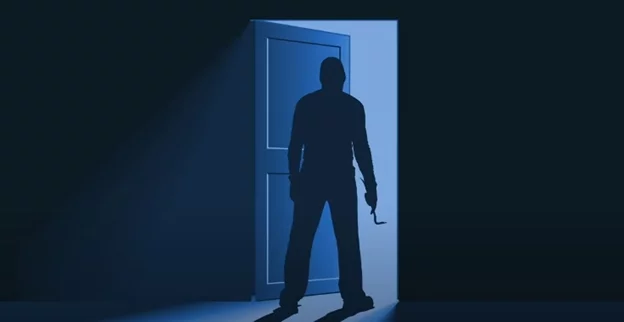
Most break-ins aren't random. Burglars case neighborhoods, identify patterns, and pick homes that look unoccupied and unmonitored. The moment you stop collecting mail, let your porch light burn at the same time every night, or post travel photos on public social media, you're broadcasting your absence to anyone paying attention.
The good news: even small changes dramatically shift the math in your favor. Burglars average less than 60 seconds attempting entry before moving to an easier target. Your job is simply to make sure your home isn't the easiest one on the block.
Contents
- What Burglars Actually Look for in a Vacant Home
- Easy Wins to Protect Your Home on Vacation Starting Tonight
- Smart Security Tech: When It Works and When It Falls Short
- Security Methods Compared: Which One Fits Your Home?
- What Vacation Home Security Actually Costs
- Best Practices Every Homeowner Should Follow
- Insider Tips Most Homeowners Overlook
- Frequently Asked Questions
- Key Takeaways
What Burglars Actually Look for in a Vacant Home
Understanding criminal behavior is the fastest shortcut to better protection. Burglars aren't looking for a challenge — they're looking for certainty. Certainty that no one is home, certainty that entry will be quick, and certainty they won't be seen.
Research consistently shows that most residential burglaries happen during daylight hours, between 10 a.m. and 3 p.m. The burglar walks the neighborhood like any resident, checking for mail buildup, dark windows night after night, an idle car, or uncollected delivery packages sitting at the door. Each of those signals adds confidence that no one is home.
The Psychology Behind Target Selection
Burglars spend an average of 60 seconds at a target before giving up. That's the entire window you need to exploit. A visible camera, a light that changes on a schedule, a car parked occasionally in the driveway — any of these can push the risk calculation past acceptable for an opportunistic criminal. You don't have to make your home impenetrable. You just have to make it look harder than the next one.
Pro Tip: Never post vacation photos or travel plans on public social media. Wait until you're back home — sharing memories after the fact costs you nothing and reveals nothing to the wrong eyes.
Easy Wins to Protect Your Home on Vacation Starting Tonight
Several of the most effective steps cost almost nothing and take under an hour to set up. Start here before investing in any equipment.
Lock Everything — Including What You Think Is Already Locked
Studies estimate that roughly 30% of burglars enter through an unlocked door or window. Before you leave, walk every room and physically test every window latch, sliding door track, and entry point. Don't trust your memory. A quality deadbolt on every exterior door is non-negotiable — read our guide on what makes a deadbolt lock secure to understand exactly what separates a solid lock from a weak one.
Set Up Timers and Smart Plugs
Plug a few lamps into inexpensive smart plugs or mechanical timers and set them to vary their schedule each evening. A living room lamp on from 7 p.m. to 11 p.m. and a bedroom light from 9 p.m. to midnight creates a convincing pattern of occupancy. Randomized light schedules are far more convincing than a single lamp burning at the same predictable hour.
Smart Security Tech: When It Works and When It Falls Short
When Security Cameras Make a Real Difference
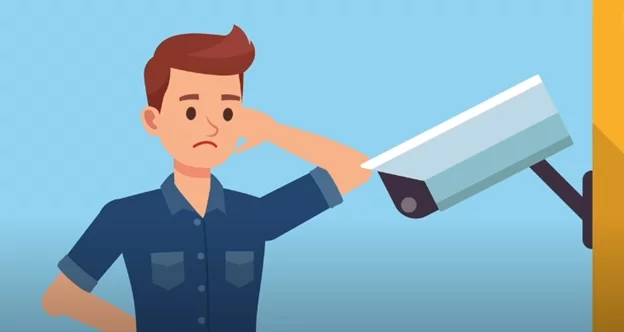
A security camera at your front entry gives you remote visibility, motion alerts, and two-way audio — all from your phone. Visible cameras are proven deterrents; most burglars say they'd avoid a home with obvious surveillance. For a budget-friendly option that delivers real performance, check out our ZOSI security camera review.
When Technology Alone Isn't Enough
Smart locks and cameras are tools, not guarantees. A burglar who cuts power or disables your internet connection can neutralize most wireless systems instantly. Never rely on a single layer of protection. Combine smart devices with physical reinforcements that work regardless of connectivity. Our guide to the best door security bars and jammers covers physical options that hold firm even during a power outage.
Warning: A smart doorbell camera with no backup battery or cellular failover goes dark the moment your power is cut — exactly the scenario an experienced burglar may create on purpose.
Security Methods Compared: Which One Fits Your Home?
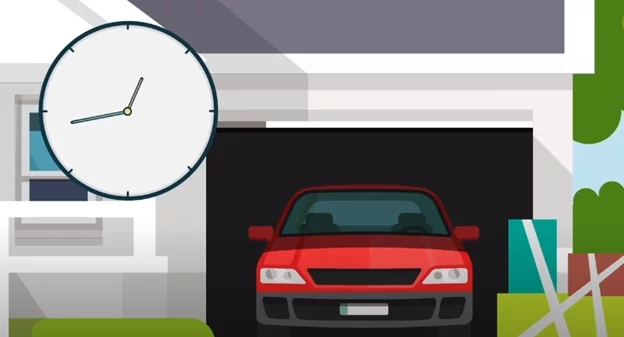
Not every security measure makes sense for every home or every trip. Here's a clear breakdown of the most common options so you can spend your money where it matters most.
| Security Method | Typical Cost | Effectiveness | Best Scenario |
|---|---|---|---|
| Deadbolt Locks | $20–$150 | High | Every home, every trip |
| Timed Interior Lights | $10–$30 | Medium-High | Short trips up to 2 weeks |
| DIY Security Camera | $50–$300 | High (deterrent) | Front entry and garage |
| Professional Monitoring | $20–$60/month | Very High | Extended or frequent travel |
| Smart Lock with Access Log | $100–$300 | High | Multiple authorized visitors |
| Trusted Neighbor/Key Holder | Free | Very High | Any trip length |
| Door Security Bar | $20–$80 | High | Ground-floor sliding doors |
The Value of Layering Multiple Methods
No single method covers every entry point or threat scenario. A camera handles visibility. A deadbolt handles forced entry. A neighbor handles unexpected situations. When you stack these layers, each one catches what the others might miss. That overlap is what real security looks like.
What Vacation Home Security Actually Costs
The Free and Low-Cost Foundation
Before you spend a dollar, exhaust the free options. Ask a trusted neighbor or relative to check in regularly, collect mail, and occasionally park in your driveway. This costs nothing and provides genuine human presence that no camera can replicate. One important note: hiding a spare key outside is a serious mistake. Burglars know every "clever" hiding spot. Instead, read our guide on the 10 best hiding places for valuables at home to understand where your important items should be secured while you're away.
Mid-Range Investment
For most homeowners, the $100–$500 range is the sweet spot. A quality deadbolt, a few smart plugs on a timer, and one outdoor camera cover the highest-risk vulnerabilities. Add a door security bar for your sliding door or garage entry and you've built a credible, layered defense for under $300.
Premium Options for Extended Travel
If you travel for weeks at a time or own a higher-value property, professionally monitored systems close the gaps that DIY setups leave open. Monthly fees run $20–$60 but include 24/7 dispatch, cellular backup, and direct communication with emergency services the moment a sensor triggers.
Best Practices Every Homeowner Should Follow
Control Your Digital Footprint
Your social media posts reach more people than you think — including strangers who share content or follow mutual connections. Your Instagram feed should never double as a burglary invitation. Hold all vacation updates until you're home. Even "friends only" settings don't guarantee privacy.
Manage the Physical Signs of Absence
Use the USPS hold mail service — it's free and takes two minutes online. Ask a neighbor to bring in any packages or door hangers. If you'll be gone for more than a week, arrange lawn maintenance. These details eliminate the most visible signals of vacancy without requiring any technology at all.
Know Who Has Access to Your Home
If you've ever given a spare key to a contractor, cleaning service, or former tenant, now is the time to audit who can actually walk through your door. Consider rekeying your locks or switching to a smart lock that logs every entry. Understanding the difference between bump-proof and pick-proof locks will help you choose hardware that holds up against real-world techniques rather than just looking secure on the shelf.
Insider Tips Most Homeowners Overlook

Don't Change Your Window Coverings
Closing every blind and curtain before you leave is a well-intentioned mistake. Completely shuttered windows on every surface signal absence just as clearly as a dark house. Leave your window coverings exactly as they normally look. Partially open blinds in the living room, a curtain drawn in the bedroom — that's what a lived-in home actually looks like from the street.
Secure Your Garage Door Separately
Your garage is the most underestimated entry point. A burglar inside your garage has time, cover, and privacy to work on the door into your home. Add a slide lock to the garage door track when you leave, or thread a zip tie through the emergency release cord to prevent it from being triggered with a wire hanger through the top seal. Treat your garage like a front door — because for experienced burglars, it often is one.
Use a Real Security Sign — Just Not as Your Only Defense
A visible alarm company yard sign genuinely deters opportunistic burglars. Most will move on rather than risk triggering a monitored alarm. But experienced criminals recognize generic signs from non-existent companies. Pair the sign with actual hardware — a camera that lights up when triggered or a sensor on the door — so the warning has teeth behind it.
Frequently Asked Questions
What is the single most effective thing I can do to protect my home while on vacation?
Enlist a trusted neighbor or relative to check on your home regularly. Human presence — collecting mail, parking a car, reporting anything suspicious — is something no device can fully replicate. Combine this with a quality deadbolt and timed interior lights and you've addressed the three most exploited vulnerabilities: obvious absence, weak entry points, and predictable darkness.
Should I tell people I'm going on vacation?
Tell only the people who need to know: a trusted neighbor, a close family member, and any service providers scheduled to visit while you're away. Keep travel plans off social media entirely until you return. The fewer people who know your home is empty, the smaller your exposure window.
Is a professionally monitored alarm system worth the monthly cost?
For frequent or extended travelers, yes. Professional monitoring provides 24/7 response, cellular backup that functions during power cuts, and direct emergency dispatch — none of which a DIY camera can offer. For shorter, occasional trips, a good deadbolt, timed lights, and a neighbor on standby deliver most of the protection at a fraction of the cost.
Key Takeaways
- Burglars choose targets based on visible signals of absence — removing those signals is your first and most cost-effective defense when learning how to protect home on vacation.
- No single security tool is enough; layering physical locks, smart devices, and trusted human presence creates overlapping protection that covers every scenario.
- Free actions — holding your mail, managing social media, and briefing a neighbor — eliminate the most exploited vulnerabilities before you spend a dollar on hardware.
- Your garage door and window covering habits are two of the most overlooked vulnerabilities; address both before you leave and you close gaps most homeowners never consider.


About Robert Fox
Robert Fox spent ten years teaching self-defence in Miami before transitioning into home security consulting and writing — a background that gives him an unusually practical, threat-aware perspective on residential security. His experience spans physical security assessment, lock and alarm system evaluation, and the behavioral habits that make homes harder targets. At YourHomeSecurityWatch, he covers home security product reviews, background check and criminal records resources, and practical guides on protecting your property and family.
You can Get FREE Gifts. Furthermore, Free Items here. Disable Ad Blocker to receive them all.
Once done, hit anything below