Understanding how lock picking works is the starting point for any homeowner serious about residential security. A lock is picked when its internal components are manipulated individually into alignment without the original key — a process that a trained operator completes in under sixty seconds on most standard residential hardware, using tools available from any security supplier for under twenty dollars.
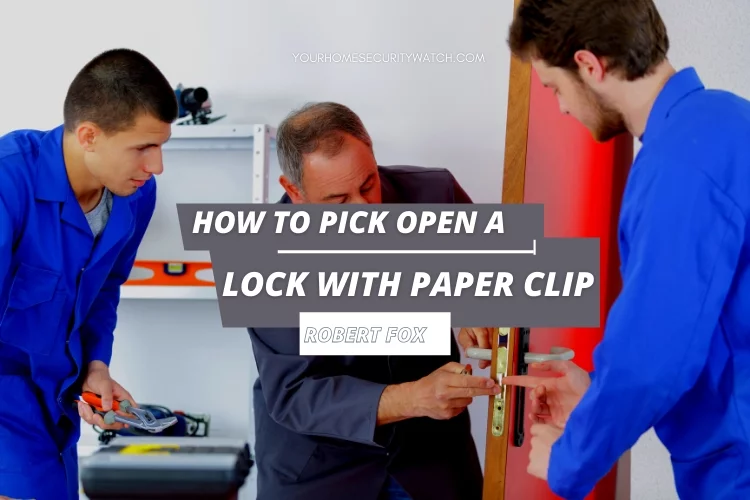
The mechanics of lock picking are not mysteries confined to criminal manuals or Hollywood fiction. Locksmiths, security researchers, competitive hobbyists, and law enforcement all study these techniques as a formal discipline within physical security. According to the Wikipedia entry on lock picking, the practice carries a documented history spanning several centuries and remains a recognized technical field within the global security community today.
For homeowners reading through the home security guides at YourHomeSecurityWatch, understanding exactly how locks fail is the critical first step toward choosing hardware that genuinely protects your property. This guide covers the internal mechanics, the specific tools involved, the legitimate and illegitimate contexts where picking occurs, and the concrete upgrades that give potential intruders the greatest resistance at your door.
Contents
- How Lock Picking Works: The Core Mechanics
- The Tools of the Trade: What Lock Pickers Carry
- Legitimate Uses: Who Employs Lock Picking and Why
- Basic Techniques vs. Expert-Level Approaches
- Lock Vulnerabilities Documented in the Field
- Locks That Resist Picking — and Locks That Do Not
- Building a Pick-Resistant Security Strategy
- Frequently Asked Questions
How Lock Picking Works: The Core Mechanics
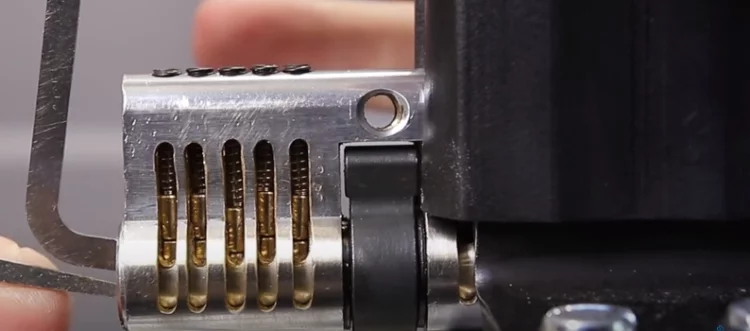
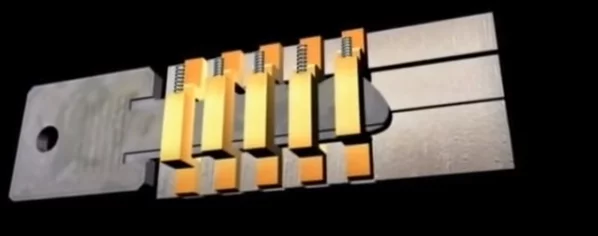
The most common residential lock is the pin tumbler, and its internal structure reveals precisely why picking is possible. Inside the cylinder, spring-loaded pin stacks sit in vertical chambers drilled through the plug — the rotating core — and the housing that surrounds it. When the correct key is inserted, each cut lifts a pair of pins to an exact height, aligning all the gaps simultaneously at the shear line between plug and housing. That simultaneous alignment allows the plug to rotate freely and the lock to open.
The Role of Manufacturing Tolerances
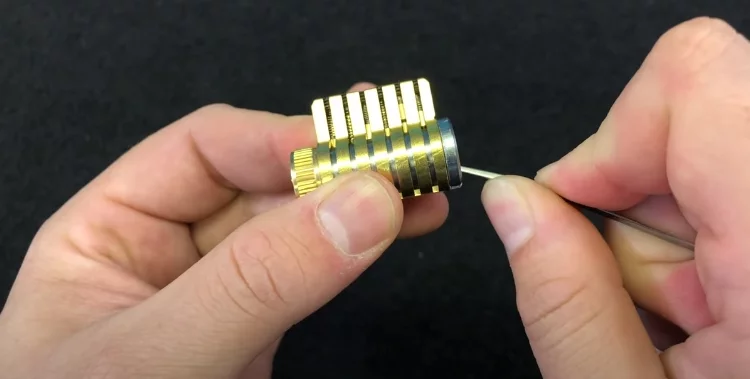
No manufacturing process achieves perfect precision, and the microscopic imperfections in a lock's pin chambers are the direct source of its vulnerability to picking. Because those chambers are never drilled in exact alignment, applying rotational tension to the plug causes the pins to bind one at a time in a predictable sequence rather than simultaneously. A picker exploits this sequential binding by lifting each pin individually to the shear line and holding it in place before moving to the next — converting what should be a simultaneous requirement into a series of discrete, manageable steps that require only a pick and a tension wrench.
The Feedback Loop Between Pick and Lock
The defining skill in lock picking is tactile sensitivity — the ability to feel the subtle click and microscopic rotation of the plug that signals a pin has reached the shear line. Each time a driver pin clears that boundary, the plug rotates a fraction of a degree and the next binding pin becomes identifiable through the pick. This feedback loop between the operator's hands and the lock's internal state separates an experienced picker from a beginner. It also explains why locks with tighter manufacturing tolerances are dramatically more difficult to defeat, because tighter tolerances compress and obscure that feedback signal.
Pro tip: A lock's internal manufacturing tolerances predict its pick resistance more accurately than its price — a well-machined mid-range cylinder will consistently outlast a sloppy premium one under real attack conditions.
The Tools of the Trade: What Lock Pickers Carry
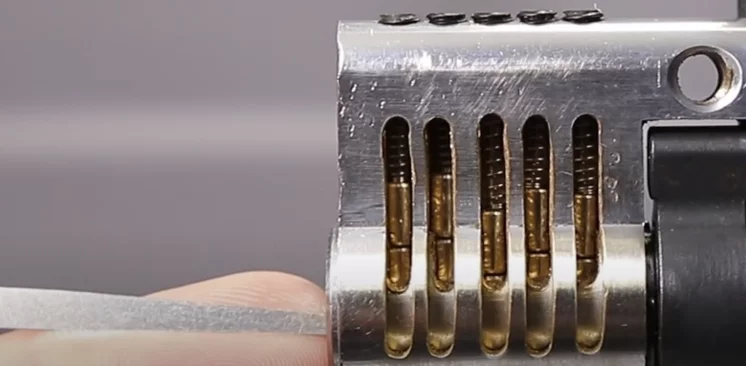
Lock picking requires only two instruments for the basic technique: a tension wrench and a pick. The tension wrench — sometimes called a turning tool or TOK — is a thin, L-shaped piece of metal inserted into the bottom of the keyway to apply controlled rotational pressure to the plug while the pick operates above it. Both instruments are commercially available in complete sets from security suppliers, and their legal status varies by jurisdiction, a fact that homeowners should factor into their understanding of who might be carrying them.
Tension Wrenches and Their Function
Tension wrenches come in two primary profiles — top-of-keyway and bottom-of-keyway — and the correct choice depends on a specific lock's keyway geometry. Too much tension causes all pins to bind hard against the shear line, preventing the pick from moving them at all. Too little tension means set pins fall back before the next one is addressed. Finding and maintaining the correct tension level is the skill most beginners underestimate, and it is the single factor that determines whether even a low-security lock resists an inexperienced operator for an extended period.
Pick Varieties and Their Targets
The hook pick is the most versatile instrument for precise single-pin manipulation, allowing the operator to address one pin at a time with directional control in any keyway. Rakes — including the city rake, the snake rake, and the Bogota rake — are designed for speed rather than precision, using an aggressive scrubbing motion to set multiple pins in rapid succession. Rakes are effective against low-security hardware but largely ineffective against locks with security pins or restricted keyways that physically limit insertion angles.
| Lock Type | Pick Resistance | Primary Vulnerability | Common Applications |
|---|---|---|---|
| Standard Pin Tumbler (ANSI Grade 3) | Low | Sequential binding, raking | Builder-grade residential deadbolts |
| Pin Tumbler with Security Pins (ANSI Grade 1) | High | False set requires advanced technique | Commercial and high-security residential |
| Wafer Tumbler | Very Low | Easy raking, simple bypass | File cabinets, interior doors, padlocks |
| Tubular Lock | Low–Medium | Tubular pick defeats most models rapidly | Bike locks, vending machines, display cases |
| Disc Detainer | Medium–High | Requires specialized rotary pick | High-quality padlocks, ABLOY cylinders |
| Sidebar / High-Security | Very High | Sidebar manipulation, impressioning | Mul-T-Lock, Medeco, ABLOY Protec |
Legitimate Uses: Who Employs Lock Picking and Why
Lock picking is legal in most jurisdictions when practiced on locks you own or with the property owner's explicit permission, and it serves several entirely legitimate professional functions. Understanding these contexts helps you evaluate service providers more critically and recognize the dual-use nature of the knowledge involved — the same technique that secures your lockout response also informs how you should assess your current hardware.
Locksmiths and Emergency Entry
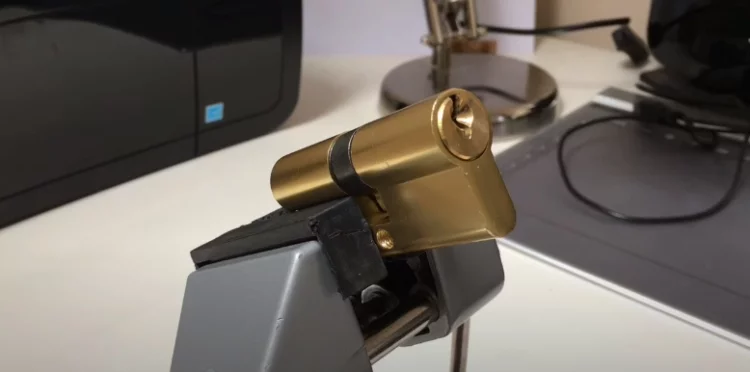
Licensed locksmiths pick locks as a core professional service — during lockouts, after lost keys, or when a property requires access without a spare. In these situations, picking is faster and less destructive than drilling, which permanently damages the cylinder and requires full replacement. A locksmith who assesses your lock's vulnerabilities during a service call represents a different category of risk than an anonymous intruder, which is why verifying credentials and reading verified reviews before hiring any locksmith is itself a security decision. The same operator who gets you back inside your house now has detailed knowledge of how easily your lock yields.
The Competitive Sport of Locksport
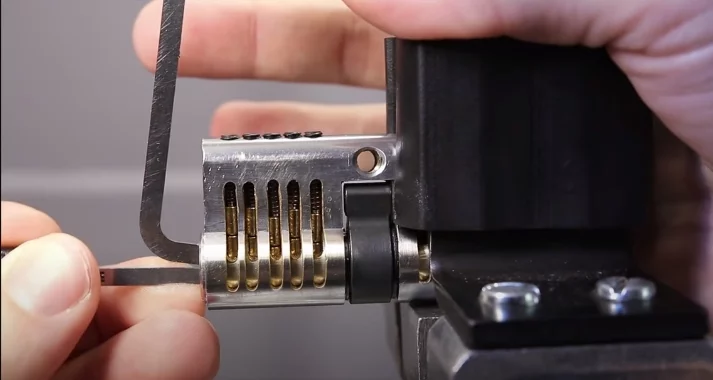
Locksport is a growing international hobby in which practitioners collect, study, and pick locks competitively within ethical boundaries established by organizations such as TOOOL (The Open Organisation Of Lockpickers) and Locksport International. Participants treat lock picking the way a chess player treats puzzles — as a system of logic, mechanical feedback, and incremental skill development. The locksport community has produced some of the most detailed public documentation on consumer lock vulnerabilities ever compiled, and that disclosure has consistently pressured manufacturers to improve their designs, tolerances, and security pin configurations over time.
Basic Techniques vs. Expert-Level Approaches
The gap between a beginner who has read about lock picking and an expert who can defeat high-security hardware is substantial. That gap is defined by both technical skill and the quality of locks being tested against. The foundational techniques are learnable in a single weekend of practice; mastering them against security-pin locks with false sets and restricted keyways takes months of deliberate, progressive work on increasingly difficult hardware.
Single-Pin Picking: The Methodical Foundation
Single-pin picking (SPP) is the foundational technique for learning how lock picking works at a precise, controlled level. The operator applies light tension with the wrench, then probes each pin individually — feeling for the binding pin, lifting it to the shear line, and holding it there before moving to the next. For a thorough understanding of the internal geometry that makes SPP exploitable, the breakdown at How Does a Pin Tumbler Lock Work? provides the mechanical context that makes the technique fully comprehensible before you ever touch a pick.
Raking, Impressioning, and Bypass Attacks
Raking substitutes speed for precision: the pick moves in rapid, varied motions while moderate tension is maintained, relying on the probability that multiple pins will set simultaneously during a brief window of favorable alignment. Impressioning is a more sophisticated attack in which a blank key is pressed against the pins under tension, marked by the pin tips, then filed to match those marks and tested iteratively until a functional key emerges. Bypass attacks do not engage the lock mechanism at all — shimming a spring latch with a credit card, exploiting a shackle gap in a padlock, or removing an exposed door hinge are examples that defeat the door without any picking whatsoever.
Lock Vulnerabilities Documented in the Field
Security researchers have publicly demonstrated critical vulnerabilities in widely sold consumer locks, and several of those demonstrations have had direct, measurable effects on manufacturer design revisions and industry purchasing standards. These disclosures matter to homeowners because they reveal that marketing claims and high price points are not reliable indicators of actual security performance.
High-Security Lock Debates
At the DEF CON security conference, researchers Marc Tobias and Tobias Blatt demonstrated that Medeco locks — marketed for decades as premium high-security cylinders — could be defeated through sidebar manipulation, which ironically exploits the lock's own anti-pick feature. Mul-T-Lock's Interactive series was similarly scrutinized through open-source security research, revealing that even patented mechanisms carry exploitable mechanical properties when studied with sufficient technical rigor. Both manufacturers revised their designs following public disclosure, illustrating the well-documented security principle that transparency about vulnerabilities drives improvements more reliably than trade secrecy does.
Security insight: Terms like "high-security," "pick-resistant," and "bump-proof" carry no standardized legal definition — rely only on verified third-party certifications such as UL 437 or ANSI Grade 1 when evaluating a lock's actual resistance to attack.
Consumer-Grade Deadbolts in Practice
The majority of residential deadbolts installed in American homes are ANSI Grade 3 locks — the lowest classification under the standard — and most can be picked by a competent operator in under two minutes with basic tools and minimal practice. The best commercial deadbolts carry Grade 1 ratings, tighter manufacturing tolerances, and security pins that substantially increase picking difficulty and time-on-target. Upgrading from a builder-grade lock to a certified Grade 1 model is one of the highest-value security improvements a homeowner can make, and it requires no professional installation beyond a standard screwdriver.
Locks That Resist Picking — and Locks That Do Not
Not all locks are equally vulnerable, and understanding the specific factors that determine pick resistance helps you make purchases based on verified performance rather than price or brand recognition. The difference between a pickable lock and a pick-resistant one is largely a function of internal geometry, manufacturing precision, and the presence or absence of specialized anti-pick components.
Security Ratings, Pin Counts, and Security Pins
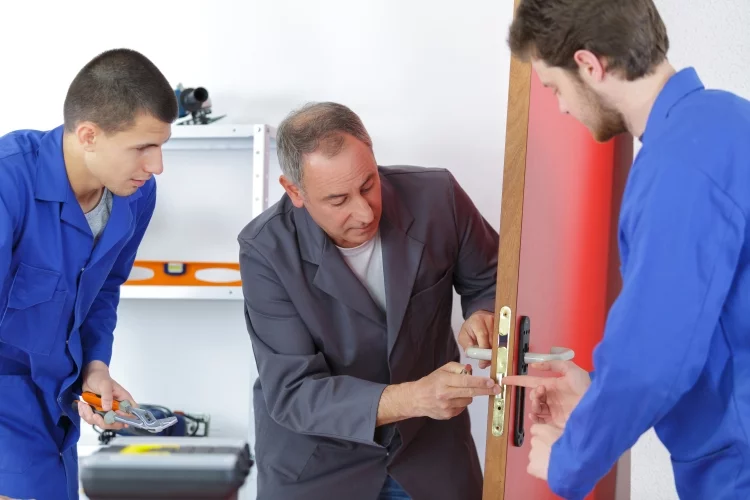
ANSI/BHMA grades assess durability and cycle life, but high-security certifications from Underwriters Laboratories (UL 437) and the European EN 1303 standard incorporate pick and manipulation resistance testing directly into their criteria. Locks that achieve these certifications typically feature spool pins, serrated pins, or mushroom pins — collectively called security pins — that create a false set during single-pin picking, causing the plug to rotate slightly before all pins are aligned and alerting an experienced operator that additional work remains. The best pick-resistant locks combine security pins with tight tolerances and restricted keyways that physically limit the angles at which picks can be inserted and operated effectively.
Smart Locks and Electronic Alternatives
Smart locks that eliminate the keyhole entirely in their standard configuration remove the primary attack surface that lock picking exploits — there are no pin chambers to probe because there is no keyway to insert a pick into. A smart lock operated exclusively by a PIN pad, biometric credential, or encrypted wireless signal cannot be defeated by any pin-tumbler picking technique. The tradeoff involves electronic attack surfaces — default credential vulnerabilities, proximity relay attacks, and battery failure scenarios — each requiring its own countermeasure, but for pure pick resistance, a keyhole-free electronic lock is definitively superior to any mechanical cylinder currently on the residential market.
Building a Pick-Resistant Security Strategy
A single high-security deadbolt is a meaningful upgrade over a builder-grade lock, but it represents one layer in what should be a multi-layered physical security strategy. A lock that resists picking can still be bypassed through a weak door frame, an exposed hinge, or an adjacent window — so treating the door as an entire assembly, not a single point of resistance, is the only approach that closes the most common residential entry vulnerabilities comprehensively.
Layering Physical and Electronic Defenses
The most effective residential security posture combines a Grade 1 or UL 437-certified deadbolt with a reinforced strike plate, a door reinforcement kit, and a monitored alarm system or security camera positioned to capture activity at each entry point. The best high-security door locks are the logical starting point for this layered approach, but a lock that cannot be picked can still be bypassed through a weak frame, an exposed hinge pin, or a nearby window. Treating your entry point as a complete system — frame, hinges, lock, and strike plate evaluated together — closes vulnerabilities that any single hardware upgrade leaves open and unaddressed.
Regular Security Audits and Your Threat Model
A security audit conducted by a licensed locksmith or physical security consultant involves evaluating every entry point, assessing lock grades, testing door frame integrity, and identifying bypass opportunities that a typical homeowner would not notice without professional training. Schedule this audit when you move into a new property, after any break-in in your immediate neighborhood, or after any incident involving lost or unaccounted-for keys. The locksport community's publicly available lock vulnerability documentation — searchable by brand and model number — provides a useful reference for understanding the specific weaknesses of locks you already own, so you can make an informed replacement decision rather than assuming existing hardware is adequate.
Frequently Asked Questions
Is lock picking illegal?
Lock picking is legal in most U.S. states and many countries when you pick locks you own or have explicit permission to pick. Several jurisdictions classify pick sets as burglary tools and restrict their possession without a professional license, so verify your local statutes before purchasing any picking equipment.
How long does it take to learn lock picking?
A beginner can learn to open a standard Grade 3 pin tumbler lock within a single practice session using an inexpensive transparent practice lock. Defeating locks with security pins, restricted keyways, or sidebar mechanisms requires months of deliberate, progressive practice on increasingly difficult hardware before consistent results are achievable.
What type of lock is hardest to pick?
Locks featuring ABLOY Protec disc detainer mechanisms, Medeco biaxial cylinders, or Mul-T-Lock MT5+ sidebar systems are consistently rated among the most pick-resistant available, because they combine multiple independent anti-pick features simultaneously. UL 437-rated locks are tested specifically for pick and manipulation resistance and represent the practical benchmark for high-security residential use.
Can a smart lock be picked?
Smart locks with no physical keyhole cannot be picked using traditional lock picking tools because there are no pin chambers to manipulate. Models that retain a physical key override cylinder for emergency backup retain that mechanical vulnerability, so reviewing a smart lock's emergency bypass mechanism is an important step in the selection and evaluation process.
Your lock is only as strong as your understanding of how it fails — know the vulnerability, choose the certification, and never let marketing language substitute for a verified rating from a recognized testing body.


About Robert Fox
Robert Fox spent ten years teaching self-defence in Miami before transitioning into home security consulting and writing — a background that gives him an unusually practical, threat-aware perspective on residential security. His experience spans physical security assessment, lock and alarm system evaluation, and the behavioral habits that make homes harder targets. At YourHomeSecurityWatch, he covers home security product reviews, background check and criminal records resources, and practical guides on protecting your property and family.
You can Get FREE Gifts. Furthermore, Free Items here. Disable Ad Blocker to receive them all.
Once done, hit anything below