How to Use a Tactical Pen for Self Defense (Beginner Guide 2026)
by Robert Fox
What if the pen clipped to your shirt pocket could be your best line of defense in a dangerous situation? If you've been wondering how to use a tactical pen for self-defense, here's the short answer: with the right grip, the right targets, and a modest amount of deliberate practice, you can turn this everyday writing tool into a serious personal protection option. This beginner guide covers everything — from picking the right pen to landing effective strikes when seconds count. For a broader look at staying safe, browse our full self-defense guides.
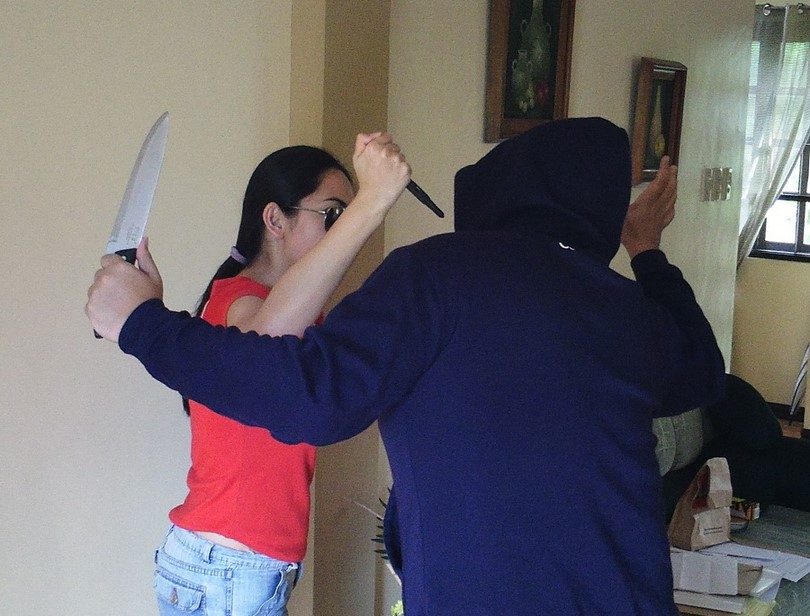
A tactical pen looks almost identical to a heavy-duty ballpoint pen. That's intentional. It passes through security checkpoints without raising flags, sits on your desk without drawing attention, and goes with you everywhere a firearm or knife legally cannot. That low profile is its single greatest advantage over every other self-defense tool you could carry.
That said, carrying one and knowing how to use one are two completely different things. A tactical pen in untrained hands offers barely more protection than a regular pen in a crisis. This guide changes that. By the time you finish reading, you'll know exactly how to hold it, where to strike, what situations call for it, and — just as importantly — when to walk away instead.
Contents
- What Sets a Tactical Pen Apart from Ordinary Writing Instruments
- How to Use a Tactical Pen: Core Techniques Step by Step
- The Real Strengths and Weaknesses of Tactical Pens
- Tactical Pen vs. Other Everyday Carry Self-Defense Options
- When a Tactical Pen Makes Sense — and When It Doesn't
- Why Your Technique Is Breaking Down — and How to Fix It
- Frequently Asked Questions
- Next Steps
What Sets a Tactical Pen Apart from Ordinary Writing Instruments
Before you learn how to use a tactical pen, you need to understand what you're actually holding. A tactical pen is purpose-built to function as both a writing instrument and a defensive tool. The design differences between it and a standard pen are significant — and directly relevant to how you carry and deploy it.
Materials and Construction
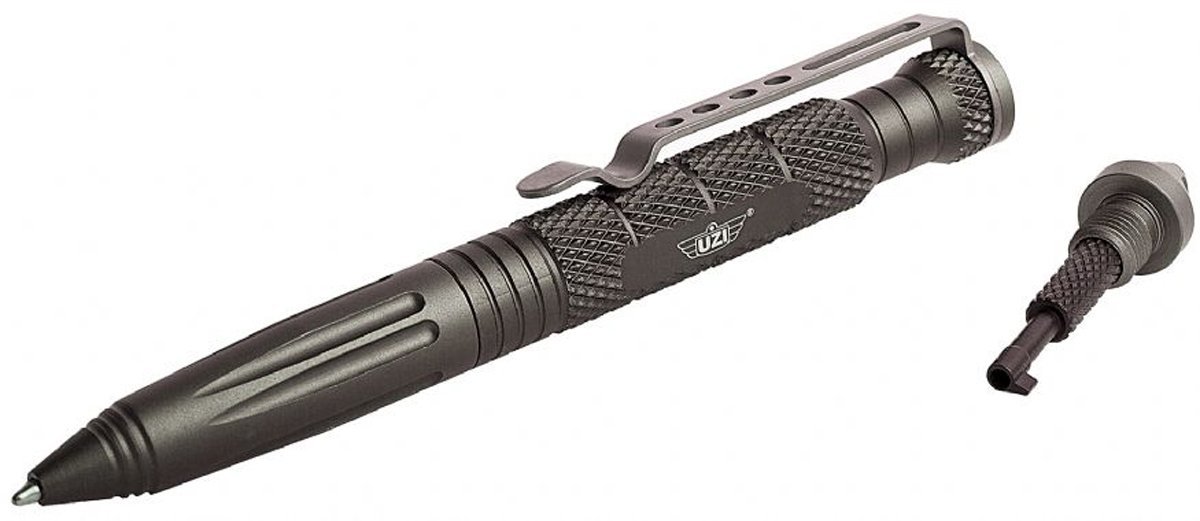
Standard ballpoint pens are made from plastic. Tactical pens are made from aircraft-grade aluminum, stainless steel, or titanium. That material difference matters enormously. Under impact, a plastic pen cracks and fails. A tactical pen transfers force directly to your target without bending, breaking, or slipping out of alignment.
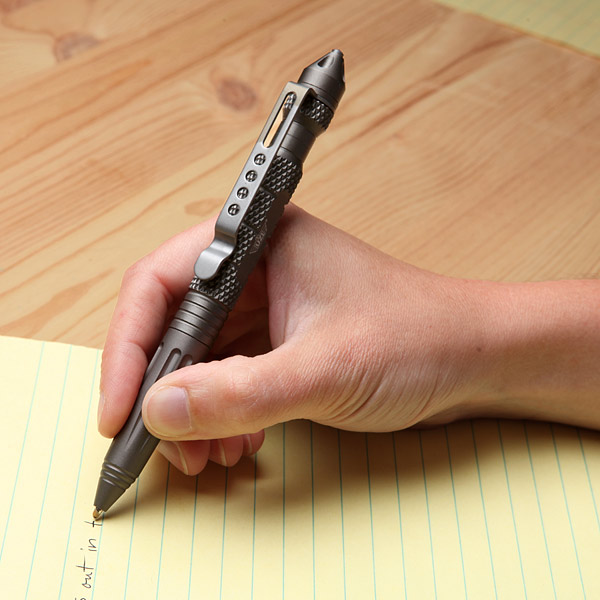
Most tactical pens measure between 5 and 6 inches long and weigh between 1 and 2 ounces. The barrel is typically knurled or textured for secure grip. The tip — either a pointed cap or an exposed strike point — is the primary contact surface. Many models also include a glass-breaker crown at the opposite end, which doubles as a secondary striking tool.
Key Features Worth Paying For
Not every tactical pen is created equal. Here's what separates a reliable defensive tool from an overpriced gimmick:
- Solid one-piece construction — no moving parts that can fail under stress
- Aggressive grip texture — knurling or rubberized sections that hold in a sweaty hand
- Refillable ink cartridge — so you're carrying something functional, not just a prop
- Strong pocket clip — a weak clip means the pen ends up at the bottom of your bag when you need it most
- Reasonable weight distribution — front-heavy pens lose momentum mid-strike
Some models include a DNA collector (a serrated crown that can capture attacker skin cells) or a built-in window punch. Those extras are useful, but they're secondary to build quality and grip reliability.
How to Use a Tactical Pen: Core Techniques Step by Step
This is where most guides fall short. They show you the grip but skip the rest. Technique without context is useless — so this section covers grip, target selection, and strike execution together, in the order you'll actually need them.
The Two Primary Grips
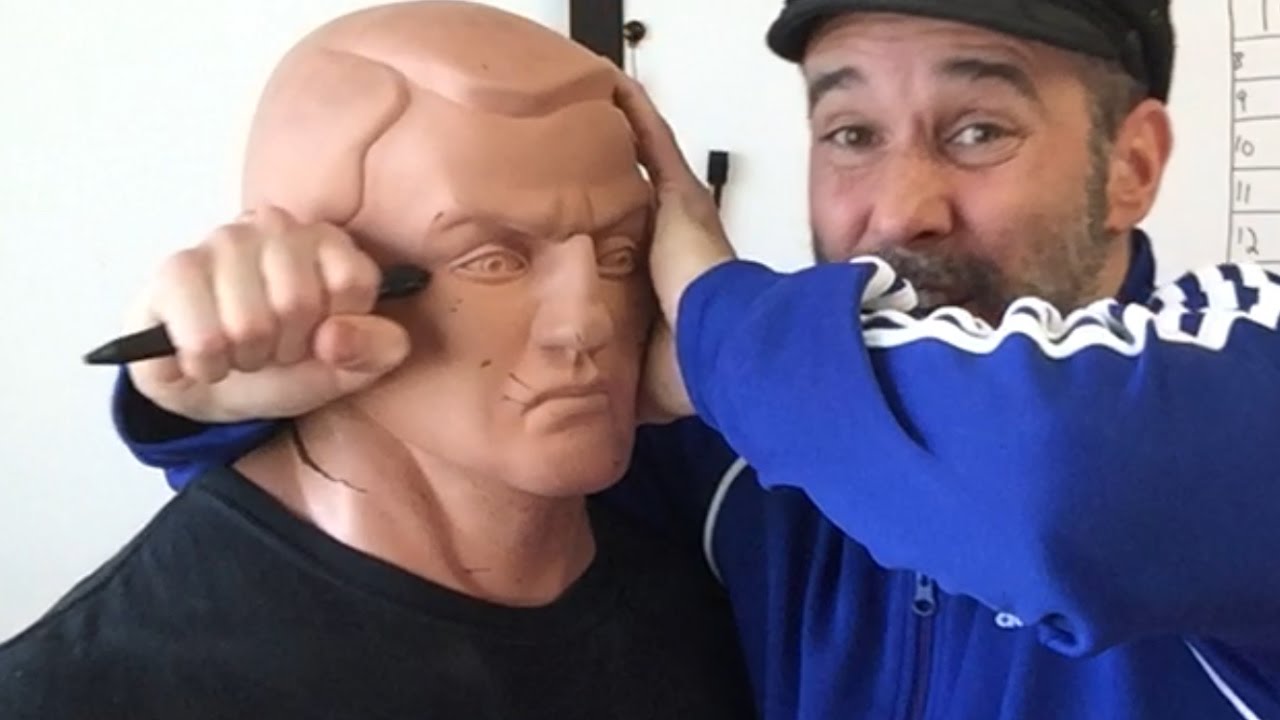
Ice-pick grip: Hold the pen with the tip pointing downward, protruding from the bottom of your closed fist. This grip generates more downward force and is easier to control at close range. It's the most reliable starting grip for beginners and works best in confined spaces where your elbow can't fully extend.
Forward grip (saber grip): Hold the pen like a standard writing instrument, tip pointing outward from the top of your fist. This grip gives you more reach and works well for direct jabbing motions. It's also faster to deploy from a pocket-carry position since your hand is already in a writing orientation.
Practice switching between both grips until the transition is automatic. Under real stress, your hands default to muscle memory — make sure that memory is built on the right foundation.

Target Zones and Strike Types
You don't need to be a trained fighter to use a tactical pen effectively. You need to hit the right places with concentrated force. These target zones are vulnerable on virtually any attacker regardless of size or strength:
- Brachial plexus (side of the neck) — nerve cluster that causes immediate disorientation and temporary arm numbness
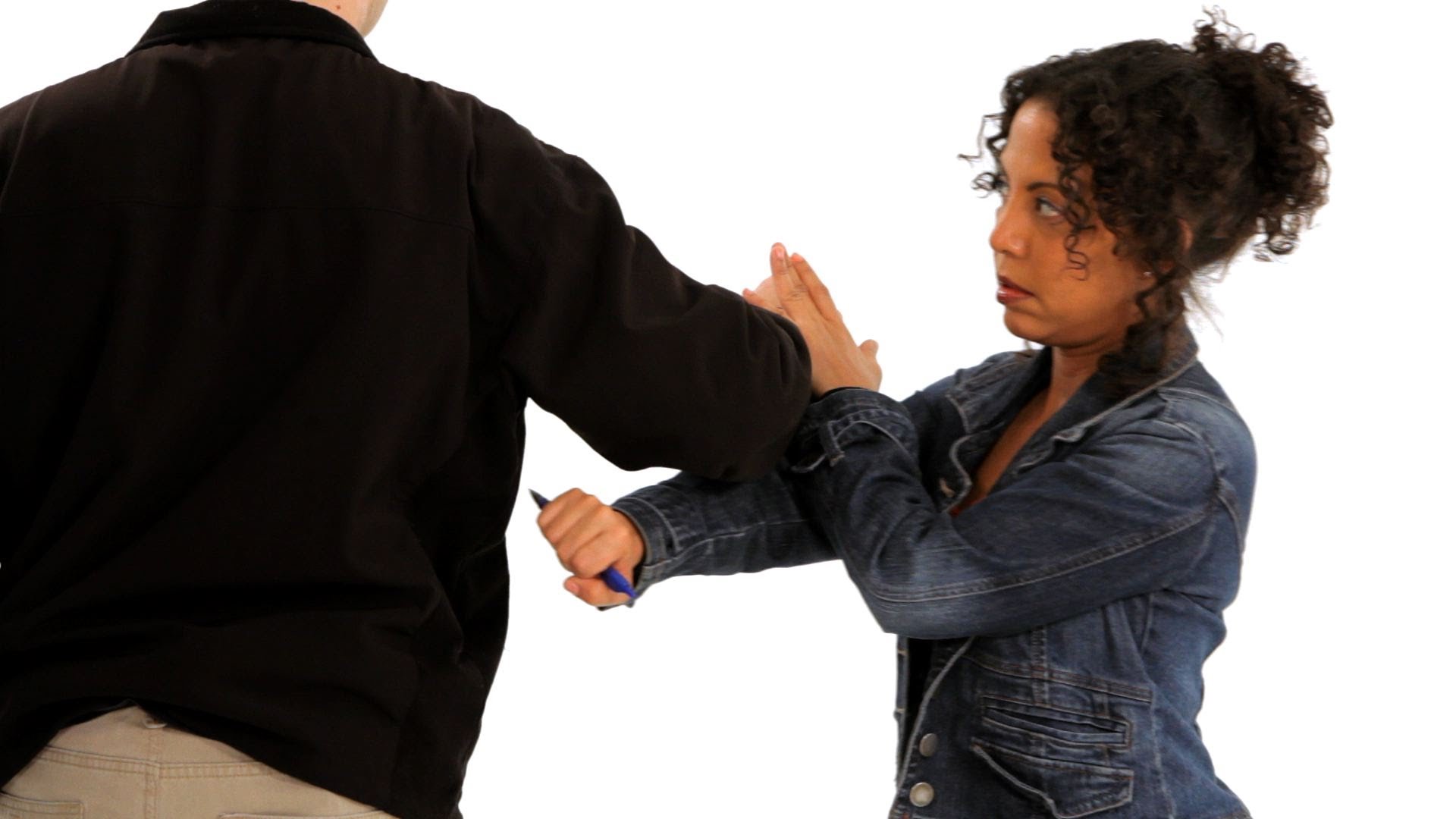
- Ulnar nerve (inner forearm) — strikes here weaken grip strength instantly, useful for breaking a wrist grab
- Common peroneal nerve (outer knee) — causes the leg to buckle and creates escape distance
- Solar plexus — forces an involuntary exhale and momentarily disrupts breathing
- Collarbone — highly effective with downward ice-pick strikes, causes intense localized pain
- Bridge of the nose — produces immediate eye watering and disorientation
Executing a Strike Under Pressure
Knowing target zones and grips is entirely academic until you train the actual sequence. Follow this process when you practice:
- Draw the pen cleanly from your pocket or clip — practice this motion alone until it's fast and consistent
- Set your grip before contact — ice-pick for grappling range, forward grip for arm's-length distance
- Create distance if possible — a single step back gives you critical reaction time
- Drive from your hips and shoulders — arm strength alone is insufficient; whole-body mechanics multiply force
- Strike a specific point — precision beats raw power at this scale
- Disengage and exit immediately — the goal is a window of escape, not a prolonged engagement
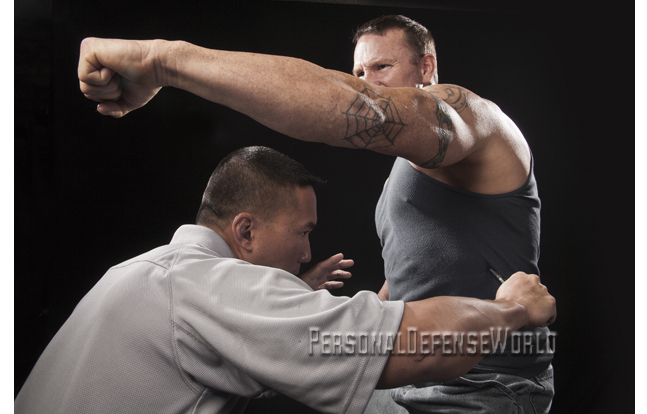
Pro tip: One effective strike to a nerve cluster followed by immediate escape is far more effective than multiple wild strikes. Create the opportunity and take it.
The Real Strengths and Weaknesses of Tactical Pens
Every self-defense tool has a ceiling. Understanding the limitations of your tactical pen is just as important as mastering its techniques. According to Wikipedia's overview of self-defense law and practice, effective personal protection almost always involves a combination of tools, awareness, and trained response — no single device is a complete solution.
What Tactical Pens Do Well
- Legal to carry in almost every jurisdiction, including airports and government buildings
- Requires no permit, registration, or background check
- Always available — you never leave home without your pen
- Creates pain compliance and an escape window without applying lethal force
- Genuinely discreet — an attacker has no reason to watch for one
- Doubles as a functional everyday writing instrument
Where They Fall Short
- Range is zero — a tactical pen requires body contact; against an armed attacker at distance, it provides no protection
- Requires deliberate practice to use effectively under stress
- Against multiple attackers, the odds are not in your favor
- Some people freeze when striking another person — without the right mindset, technique is irrelevant
- Offers no deterrent effect — an attacker won't know you have one until you use it
Warning: A tactical pen is a last-resort contact tool, not a standoff deterrent. If you can safely create distance and exit, do that first — every time.
Understanding how attackers select targets is part of using any self-defense tool wisely. Our breakdown of how criminals think and choose their targets shows that most bad actors are looking for easy opportunities — which means awareness and deterrence prevent far more incidents than reactive physical defense ever will.
Tactical Pen vs. Other Everyday Carry Self-Defense Options
How does a tactical pen stack up against the other tools people commonly carry? This side-by-side comparison covers the most practical EDC self-defense options for everyday civilians.
| Tool | Legal Everywhere | Training Required | Works at Distance | Airport-Permitted | Lethality Risk |
|---|---|---|---|---|---|
| Tactical Pen | Yes | Moderate | No | Yes | Low |
| Pepper Spray | Varies by state | Low | Yes (10–15 ft) | No | Very Low |
| Folding Knife | Varies (blade length) | High | No | No | High |
| Personal Alarm | Yes | None | Indirect only | Yes | None |
| Stun Gun / Taser | Varies by state | Low | Limited | No | Low |
| Kubotan | Usually yes | Moderate | No | Uncertain | Low |
The tactical pen's defining competitive advantage is universal carry legality combined with genuine striking capability. Pepper spray beats it at distance. A personal alarm is better in ambiguous social situations. But for a tool you can carry into a courthouse, onto a plane, and into any secure building without a second thought — nothing else on this list competes. If you're also evaluating home-specific security options, our comparison of gun safe vs. gun cabinet storage walks through how to responsibly secure firearms alongside your everyday carry tools.
When a Tactical Pen Makes Sense — and When It Doesn't
Carrying a self-defense tool is only one part of personal security. Knowing when to deploy it is the critical judgment call that no amount of hardware can replace for you.
Situations Where It's the Right Tool
You're justified in drawing your tactical pen when you face an imminent physical threat and cannot escape. Specifically, it performs best when:
- You're in a confined space — an elevator, stairwell, or narrow corridor — where distance weapons are impractical
- An aggressor has grabbed you and you need immediate pain compliance to break free
- You're traveling through an environment where no other defensive tool is permitted
- An attacker is already inside arm's reach and escalating toward physical contact
The tactical pen performs best in what self-defense instructors call the "contact range" — roughly zero to three feet. That's where the vast majority of real-world assaults actually occur.
When You Should Hold Back
- Against a weapon at distance — a pen against a firearm or knife at range is not a viable option under any circumstances
- When a clear exit is available — your feet are always your best self-defense tool
- In situations that haven't crossed into physical threat — drawing any weapon over a verbal dispute creates serious legal exposure for you
- When you're uncertain about the nature of the threat — a rushed misidentification can turn a non-event into a criminal charge
Situational awareness is your first line of defense. The tactical pen is your last. Most dangerous situations are avoidable long before physical contact becomes necessary — recognizing that reality is what keeps you genuinely safe day to day.
Why Your Technique Is Breaking Down — and How to Fix It
You've purchased the pen. You've studied the techniques. Then you practice and something feels wrong — the grip slips, the strike angle is off, or you freeze on the draw. Here are the most common failure points and exactly how to correct each one.
Grip Problems Under Stress
The most common complaint beginners report is grip failure — the pen rotates or slips mid-strike. The fix is not grip strength; it's equipment and setup:
- Choose a pen with aggressive knurling. Smooth-barreled models are aesthetic objects, not functional defensive tools.
- Practice your draw 50 times until the grip sets automatically — you won't have time to adjust your hold in a real encounter.
- Lock your wrist. A broken wrist angle drains force from your strike and causes the pen to rotate on contact.
- Avoid gloves that reduce tactile feedback unless your climate demands them.
Hesitation and the Freeze Response
Research on stress inoculation consistently demonstrates that people who have mentally rehearsed a threat scenario respond faster and more decisively than those who have not. Dry practice in front of a mirror — slowly walking through your draw, grip set, and strike sequence — activates the neural pathways that fire under real pressure.
The second hesitation trigger is moral: striking another person feels wrong, and that instinct causes a critical pause. Resolve it in advance by being clear with yourself about your threshold — what specific level of threat justifies physical action. Uncertainty at the moment of contact costs you the only window you may get. Additional steps to sharpen your response:
- Practice your draw from a belt clip, jacket pocket, and bag separately
- Visualize the scenario, the strike, and the escape route as a single fluid sequence
- Shadow-practice target strikes against a padded surface to build correct muscle memory
- Consider a basic Krav Maga or combatives class to place pen techniques within a broader self-defense framework
Frequently Asked Questions
Is it legal to carry a tactical pen?
In most U.S. states and most countries, a tactical pen is completely legal to carry because it's classified as a writing instrument, not a weapon. That said, some jurisdictions apply broad definitions of "concealed weapon" that could theoretically include any purpose-built striking tool. Check your local laws if you're unsure, and when in doubt, choose a model that looks like a standard professional pen rather than a combat tool.
Do I need martial arts training to use a tactical pen effectively?
No. The foundational techniques — ice-pick grip, nerve-cluster targeting, and a forceful body-driven strike — are learnable without any martial arts background. That said, any hands-on self-defense training you add will make you significantly more effective under real stress, because physical confrontation feels nothing like solo practice.
Can a tactical pen go through airport security?
Yes. The TSA and most international security agencies permit tactical pens as carry-on items because they function as writing instruments. Security screeners do have discretion, however — an aggressively designed model with an exposed spike tip might attract scrutiny. A clean, professional-looking tactical pen passes checkpoints reliably without issue.
Next Steps
- Purchase a quality tactical pen from a reputable manufacturer — prioritize aircraft-grade aluminum or titanium construction with aggressive grip knurling over flashy extras. Brands like Smith & Wesson, Uzi Defender, and Gerber Impromptu are proven starting points.
- Practice your draw 50 times today from your most common carry position — pocket, belt clip, or bag. This single drill builds the automatic access you need before any technique matters.
- Memorize three primary target zones — the brachial plexus (neck), ulnar nerve (inner forearm), and collarbone — and shadow-strike each one in front of a mirror using both the ice-pick and forward grip.
- Carry it everywhere, starting tomorrow. A tactical pen you leave at home provides exactly zero protection. Make it part of your daily carry alongside your keys and phone.
- Book one introductory self-defense class — even a single session with a qualified instructor will dramatically sharpen your situational awareness and help you contextualize everything you've practiced at home.


About Robert Fox
Robert Fox spent ten years teaching self-defence in Miami before transitioning into home security consulting and writing — a background that gives him an unusually practical, threat-aware perspective on residential security. His experience spans physical security assessment, lock and alarm system evaluation, and the behavioral habits that make homes harder targets. At YourHomeSecurityWatch, he covers home security product reviews, background check and criminal records resources, and practical guides on protecting your property and family.
You can Get FREE Gifts. Furthermore, Free Items here. Disable Ad Blocker to receive them all.
Once done, hit anything below