A violent crime is reported every 26 seconds in the United States, according to FBI crime data — and in 2026, pepper spray has become the most widely carried non-lethal personal defense tool on the market, outselling stun guns and personal alarms combined in several consumer categories. Our team spent weeks evaluating seven of the most talked-about options across everyday carry, home defense, and wildlife protection to help anyone shopping for reliable deterrence cut through the marketing noise.

Not all canisters are equal. The difference between a spray that stops a threat and one that misfires, leaks in a bag, or loses potency after a year in a glove compartment can be life-altering. We evaluated OC (oleoresin capsicum) concentration, Scoville Heat Unit ratings (SHU — the standard measure of capsaicin heat intensity), Major Capsaicinoid (MC) percentages, spray pattern, safety mechanism design, burst count, and real-world carry convenience for every product in this roundup. Formula verification matters most: any brand worth buying backs its claimed strength with in-house or third-party HPLC (High-Performance Liquid Chromatography) lab testing.
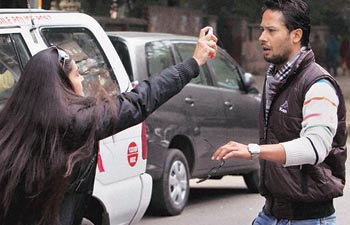
Our team also consulted a broad group of self-defense instructors and martial arts trainers across the country — their perspectives appear in the buying guide below. For anyone evaluating personal protection more broadly, our self-defense guides section covers everything from alarms to physical deterrents. Those considering alternatives to chemical sprays may also want to read our review of the VIPERTEK VTS-989 heavy-duty stun gun, a strong close-range option, and our article covering the best self-defense tools for women for situational guidance beyond hardware alone.
Contents
Best Choices for 2026
- #PreviewProductRating
- Bestseller No. 1
 Rating:

- Bestseller No. 2
 Rating:
 - Bestseller No. 3
 Rating:
 - Bestseller No. 4
 Rating:
- Bestseller No. 5
 Rating:
 - Bestseller No. 6
 Rating:
 - Bestseller No. 7
 Rating:


In-Depth Reviews
1. SABRE Crossfire Pepper Gel — Best for Versatile Everyday Carry
The Crossfire makes sense the moment someone picks it up. It deploys reliably at any angle — inverted, sideways, gripped awkwardly in a panicked moment. Standard aerosol canisters require the nozzle to point upward so propellant can feed the formula correctly. That works fine at a gun range and fails badly in a real confrontation where the hand that's holding the canister is shaking or fighting for grip. SABRE engineers around that constraint entirely. The brand carries serious law-enforcement credibility — New York PD, Chicago PD, and U.S. Marshals all use SABRE products — and every canister is verified in SABRE's own in-house HPLC laboratory to guarantee maximum OC concentration at the time of manufacture, not just at the formula stage.
The gel formula is the other standout. Gel sticks to a target's face on contact rather than atomizing into the surrounding air, which dramatically reduces the risk of the person deploying it inhaling their own defense spray. It also resists wind blowback — a genuine concern with liquid aerosol sprays in any outdoor setting. The 20-foot maximum range is impressive for an everyday carry unit; most compact sprays top out at 10-12 feet. For anyone facing the realistic threat of multiple assailants (roughly 42% of violent crimes involve more than one attacker, per FBI data), the range and multi-burst capacity are meaningful differentiators.
At 1.5 fl oz, the Crossfire fits a belt clip or bag loop comfortably but won't disappear into a front pocket. Most buyers who need the smallest possible profile will be better served by the POM below. Those who can accept the slightly larger carry profile, though, get one of the most tactically capable everyday options on this list. The fast flip-top safety opens smoothly with a thumb without being so loose it risks accidental discharge inside a bag.
Pros:
- Deploys reliably at any angle, including fully inverted
- Gel formula resists wind blowback and is safer to use indoors
- Impressive 20-foot maximum range for an EDC product
- HPLC-verified maximum OC strength in every canister
- Trusted by major U.S. law enforcement agencies, made in the USA
Cons:
- Larger and heavier than true pocket-carry competitors
- Gel is more difficult to rinse off skin if accidentally self-exposed

2. POM Pepper Spray Pocket Clip — Best Ultra-Compact EDC
POM built this canister around a single constraint: size. At 0.5 fl oz, it's small enough to clip to a keychain, ride flat at the bottom of any bag, or attach to a waistband without creating any visible print or noticeable bulk. Despite that minimal footprint, the formula is legitimately strong — 1.40% Major Capsaicinoids (MC), which is the most accurate measure of OC potency and the figure that actually correlates with stopping power. The quick flip-top safety opens in a single thumb motion, which is the right design choice for a product that needs to go from pocket to deployed in under two seconds.
The stream spray pattern reaches 10 to 12 feet, with up to 24 bursts before the canister is empty — around 12 seconds of total spray time. That range is sufficient for the vast majority of urban or suburban self-defense scenarios. The UV marking dye adds a forensic dimension: anyone exposed will carry invisible fluorescent markers that show under UV light, giving law enforcement a reliable way to identify a suspect after the fact. POM claims incapacitation lasting up to 45 minutes, which provides meaningful time to escape and reach safety.
The honest limitations are baked into the size. Half an ounce means fewer total shots than larger canisters, and 10-12 feet of range falls short of gel competitors in open outdoor environments. For daily commuters, college students, runners, and anyone who has avoided carrying a spray because existing options were too bulky, POM closes the gap between "I should carry something" and "I actually carry something every day." Our team considers that practical compliance more valuable than a marginally longer range that stays home in a drawer.
Pros:
- Genuinely pocketable — small enough for everyday carry without excuses
- Law enforcement-grade 1.40% MC formula, HPLC tested
- UV marking dye for post-incident suspect identification
- One-motion flip-top safety for fast deployment
- 24 bursts — solid capacity for its size class
Cons:
- Shorter range than gel alternatives (10-12 ft vs. 20 ft)
- Smaller total capacity — fewer shots before the canister empties
3. SABRE 3-in-1 Compact Defense Spray — Best Triple-Formula Option
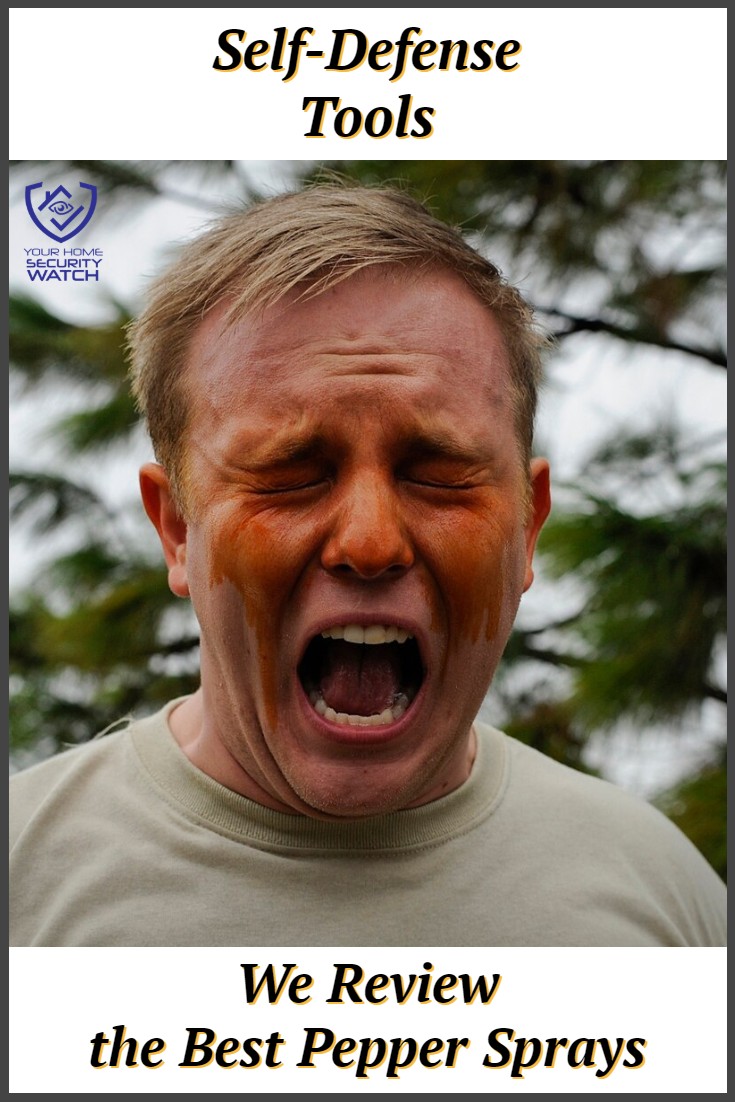
Most pepper sprays deliver one active agent — OC. The SABRE 3-in-1 delivers three: maximum-strength OC pepper spray, CS tear gas (the same irritant used by military and riot control units worldwide), and UV marking dye. The CS tear gas is the meaningful differentiator. It operates through a different biological mechanism than capsaicin, causing a distinct burning sensation in the mucous membranes, eyes, and respiratory tract. Combined, the two agents create an effect that's significantly harder for a goal-oriented attacker to push through — especially one under the influence of substances that may blunt their response to OC alone.
The 13-second spray time is remarkable for a compact canister. Most 0.5-0.75 fl oz units provide 6-8 seconds of continuous deployment; the SABRE 3-in-1 nearly doubles that at 0.67 fl oz, thanks to the stream pattern delivering its payload more efficiently than fogger or cone designs. The 12-16 foot range via a direct stream keeps it effective outdoors while reducing the blowback concern that comes with wide-dispersal patterns. The belt clip and secure safety make it practical for daily carry, though the canister size places it in bag-or-belt territory rather than true pocket carry.
One consideration worth flagging: CS tear gas carries additional legal restrictions in some jurisdictions beyond those that govern standard OC sprays. Anyone purchasing this for carry should verify local law before doing so. That caveat aside, for anyone who has considered a standard OC spray and wondered whether it would be enough — whether due to the nature of a potential attacker or simply the desire for more margin — the 3-in-1 formula delivers a meaningful step up without requiring a larger or heavier canister.
Pros:
- Triple formula: OC + CS tear gas + UV dye
- Exceptional 13-second continuous spray duration
- 12-16 foot stream range with reduced blowback risk
- SABRE law-enforcement pedigree with HPLC verification
Cons:
- CS tear gas may face additional legal restrictions in some states or localities
- Slightly larger profile than true pocket options
4. Fox Labs Mean Green Pepper Spray — Best Maximum-Strength Formula
Fox Labs is a brand built almost entirely around one value proposition: the most potent formula commercially available. The Mean Green's 3,000,000 SHU rating places it among the highest in the consumer market, achieved through a highly purified OC base that starts virtually clear before the bright green staining dye is added. The formula measures 1.2% MC with 6% OC — figures that hold up under scrutiny and reflect a serious approach to efficacy rather than marketing. Fox Labs built its reputation supplying law enforcement, and the Mean Green brings that same formulation philosophy to civilian buyers.
The green staining dye is a genuinely useful feature, not a cosmetic choice. Bright green is difficult to wash out quickly, and the visible staining makes suspect identification significantly easier for law enforcement arriving after an incident. The stream spray pattern delivers a concentrated, accurate blast rather than dispersing broadly into the air — the right choice when precision matters. At 1.5 oz, the canister is a mid-size carry option, neither as compact as the POM nor as large as the home defense unit below.
Fox Labs offers minimal consumer-friendly ergonomics. There's no integrated belt clip system, no ergonomic grip design, and the packaging is stripped of the polish found on SABRE or POM products. Most buyers purchasing the Mean Green are doing so because they've specifically sought out the formula — not because the canister won them over with features. A note worth making for comparison shoppers: raw SHU numbers alone don't tell the full story. MC concentration is the more reliable predictor of actual stopping power. The Mean Green performs well on both metrics, which is why it earns a place on this list despite the no-frills presentation.
Pros:
- 3,000,000 SHU — among the highest commercially available
- Highly purified OC formula base before dye addition
- Bright green staining dye for reliable post-incident identification
- Stream pattern for accurate, targeted deployment
Cons:
- No integrated belt clip or ergonomic carry system
- No-frills packaging — fewer features than consumer-focused competitors
- Higher price point relative to feature set
5. SABRE Red Home Defense Pepper Gel — Best for Fixed Home Protection
This is a fundamentally different product from everything else on this list. The SABRE Red Home Defense is designed to live on a wall mount — included with purchase — rather than travel in a pocket or bag. The 32-burst capacity and 25-foot range make it the most powerful option here by volume, intended specifically for the scenario of confronting an intruder inside a home or garage where every range and capacity advantage matters. The full hand grip allows for significantly more controlled, accurate aiming under stress than any small clip-carry unit can provide.
The gel formula performs identically to the Crossfire above in principle — sticks to the target, doesn't atomize into ambient air, and is far safer to use in enclosed spaces than traditional aerosol. That's especially meaningful for home defense, where the encounter may happen at closer range in a hallway or stairwell. The UV marking dye adds post-incident identification capability, and the secure pin safety reduces accidental discharge risk when the unit is mounted in an area accessible to household members or guests.
Installation of the wall bracket takes about five minutes. Most home users place these near the bedroom door, at the garage entry, or adjacent to a primary exterior door — wherever a confrontation is most likely to begin. It won't travel anywhere; this is strictly a fixed-point product. Anyone building a layered home defense strategy in 2026 might pair this with a security camera system and familiarize themselves with how home intrusions typically unfold — our coverage of attacker behavior and home defense methods provides useful context alongside a physical tool like this one.
Pros:
- 32-burst capacity — the most in this entire lineup
- 25-foot range for maximum standoff distance indoors
- Full hand grip for accurate aiming under high-stress conditions
- Includes wall mount bracket for fixed home placement
- Gel formula safe for use in enclosed interior spaces
Cons:
- Not portable — designed exclusively for wall-mounted fixed placement
- Larger footprint requires deliberate placement decisions
6. Counter Assault Bear Spray — Best for Backcountry Wildlife Defense
Bear spray and personal defense spray occupy very different legal and tactical categories. Counter Assault's offering is purpose-built for bear encounters in wilderness settings, and the specifications reflect that entirely different threat profile. The 40-foot effective range is the headline number — nearly double the reach of the longest-ranging personal defense sprays on this list, and critical when dealing with a charging grizzly that can close 40 yards in under two seconds. The 10.2 oz canister delivers 8 seconds of sustained deployment, enough for a broad cloud dispersal that arrests a charge.
Counter Assault holds a meaningful distinction: it was the first bear pepper spray registered with the EPA, a regulatory milestone that matters to hikers in national parks where EPA-registered bear deterrents are specifically required. The formula uses 2% capsaicin and related capsaicinoids — the concentration established by EPA standards for effective bear deterrence — and performs against grizzly, black, and brown bears. The included holster is designed for pack-strap attachment, keeping the canister immediately accessible rather than buried in a bag compartment when a few seconds define the outcome.
A critical caveat: bear spray is not legal for use as human self-defense in most states, and its fogger-style wide dispersal pattern is unsuitable for the precise targeting required against a human attacker. This product belongs in backcountry packs and camping kits, not on a keychain or in a purse. The 4-year shelf life is solid for a product that typically sees deployment only in wilderness settings once or twice a season. For anyone spending time in grizzly or mountain lion country in 2026, we consider this essential safety gear on the same level as a first aid kit.
Pros:
- 40-foot range — exceptional for stopping a charging animal
- First EPA-registered bear spray; meets national park requirements
- 2% capsaicin effective against all three major North American bear species
- Includes pack-strap holster for fast field access
- 4-year shelf life
Cons:
- Not designed or legal for human self-defense in most states
- Bulky 10.2 oz canister — not a carry option for urban settings
- Wide fogger dispersal not suitable for precise targeting
7. Kimber PepperBlaster 3 — Best Non-Aerosol Alternative
Kimber is better known for its pistols, and the PepperBlaster 3 reflects that firearm-design philosophy in every detail. It handles more like a compact handgun than a spray canister. The non-aerosol pyrotechnic delivery mechanism — a small propellant charge rather than pressurized propellant gas — fires a blast of 10% OC formula at high velocity without relying on gas pressure that degrades over time or loses effectiveness in cold temperatures. The integrated rear and front sights allow for deliberate aiming in a way that no standard spray canister can replicate.
This 3-pack purchase gives buyers multiple units for bedroom placement, a car, a spouse's bag, or backup storage. The 10% OC concentration is aggressive — notably higher by percentage than most traditional consumer sprays, though direct comparisons require context about the overall formula and delivery mechanism rather than treating percentage alone as a universal benchmark. The non-aerosol mechanism also eliminates the temperature sensitivity that affects gas-pressurized canisters stored in vehicles through winter or desert heat.
The trade-offs are real. The PepperBlaster is limited in total shots per unit — it's not a multi-burst continuous aerosol. Once the pyrotechnic rounds are spent, the unit is finished. The pistol-like form factor is unfamiliar for most buyers, and effective use under stress requires deliberate practice with the grip and sighting system. For most buyers who want a grab-and-go option without any learning curve, a traditional spray canister remains more intuitive. The PepperBlaster 3 appeals to buyers who already have firearm familiarity, want a non-aerosol formula that performs in cold weather, and are willing to train with the device.
Pros:
- Non-aerosol pyrotechnic delivery — no pressure degradation in cold or heat
- Potent 10% OC formula
- Ergonomic pistol grip with rear and front sighting system
- 3-pack value for multiple placement locations
Cons:
- Limited total shots per unit — not a continuous multi-burst spray
- Pistol-style operation requires familiarity and deliberate practice
- Heavier and bulkier than standard pocket sprays
Key Features to Consider When Choosing Pepper Spray
Understanding Formula Strength: OC, SHU, and MC Explained

The active ingredient in all pepper sprays is capsaicin, the same compound that makes hot peppers hot. In defensive sprays, it appears as OC — oleoresin capsicum — which is an oil-based extract from hot peppers. SHU (Scoville Heat Units) is the most commonly advertised strength metric, but it's also the least reliable for comparison shopping. A spray claiming 3,000,000 SHU could be diluted to a low OC percentage that makes the number largely meaningless. The figure that actually matters is MC — Major Capsaicinoids — which measures the specific active molecules responsible for physiological effect. Most reputable brands publish both their OC percentage and their MC percentage; any manufacturer hiding one of those numbers deserves skepticism.
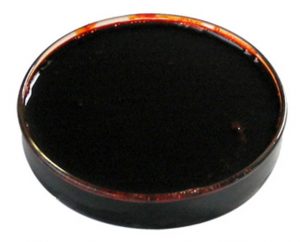
HPLC lab testing (High-Performance Liquid Chromatography) is the gold standard for verifying formula strength. SABRE runs its own in-house HPLC lab, which is why it can guarantee potency in individual canisters rather than just batch samples. POM uses third-party HPLC verification. Fox Labs relies on its reputation and formula transparency. Any brand that doesn't mention HPLC or equivalent testing should be viewed cautiously — capsaicin degrades over time, and a spray that was potent when formulated may not be potent when deployed 18 months later. Most manufacturers recommend replacing canisters every 2-4 years regardless of whether they've been used.
Spray Types and What Each Does in Practice
Stream sprays project a narrow, directed line of formula toward a target. They travel the farthest, offer the most precise aim, and are less likely to disperse back toward the user in wind. The trade-off is that accuracy matters — a poorly aimed stream in a panicked situation may miss, especially at range. Gel sprays behave similarly to streams in trajectory but stick to the target on contact rather than splashing or vaporizing. This makes gel significantly safer for indoor use, as there's minimal airborne contamination. Gel is the clear choice for home defense or enclosed-space scenarios.
Fogger or cone patterns disperse the formula into a wide cloud rather than a directed stream. They're easier to aim under stress but carry substantial wind-blowback risk outdoors, and indoor deployment means everyone in the space inhales the cloud including the defender. Foam sprays stick to a target like shaving cream and are effective at close range but offer poor distance performance. Bear spray foggers are a special category — extremely wide dispersal at maximum range specifically to stop a charge rather than aim at a single target point.
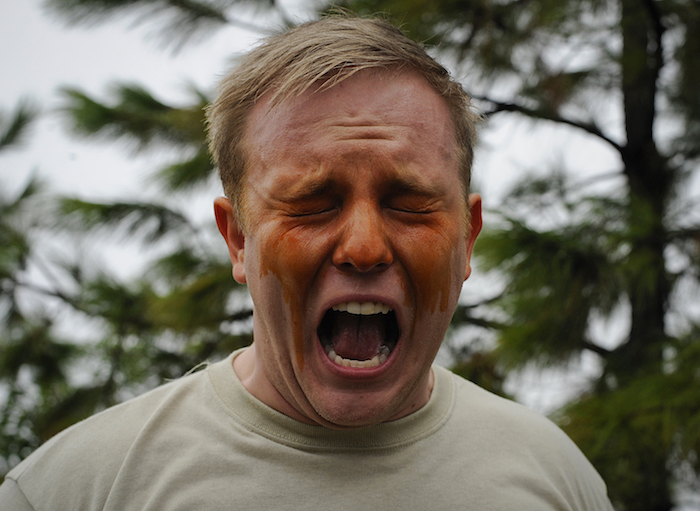
The physiological effects of direct OC exposure are intense: immediate involuntary eye closure, extreme burning of mucous membranes, coughing, and disorientation lasting anywhere from 15 to 45 minutes depending on formula strength and individual tolerance. Law enforcement exposure training — which military and police recruits undergo worldwide — demonstrates just how incapacitating even a brief dose of quality OC formula is.
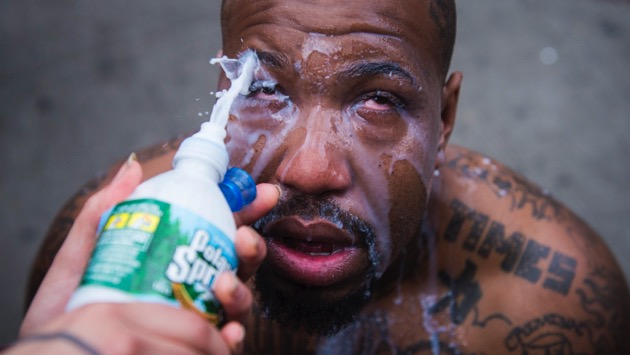
Temporary exposure to OC does not cause permanent eye damage in the overwhelming majority of cases — but any chemical exposure to the eyes warrants thorough flushing with water and, if symptoms persist, medical evaluation. The pain and vision impairment are by design temporary and non-lethal, which is why pepper spray occupies such a different legal and ethical category than lethal defensive options.
Range, Capacity, Multiple Threats, and Carry Considerations

Range and burst count become critical when the scenario involves more than one attacker. FBI data consistently shows that a significant percentage of violent crimes involve multiple assailants — a reality that changes the calculus on how much formula a carry canister needs. A 6-shot canister might be sufficient for a single attacker scenario but leaves very little margin if a second threat emerges. Our team recommends treating burst count the way a firearm owner treats magazine capacity: the right number is always more than one thinks is needed.
Effective range varies significantly by spray type and formula. Gel products like the SABRE Crossfire extend to 20 feet. Standard stream products land in the 10-16 foot range. Foggers spread wide but often at shorter effective distances for concentration purposes. For most urban self-defense scenarios, 10-12 feet is sufficient to create meaningful separation between the user and a threat while deploying. In open outdoor settings — parking lots, trails, parks — the longer-range gel products provide a real advantage.
Carry mechanism matters more than most buyers initially consider. A canister buried at the bottom of a bag requires 5-10 seconds of searching under calm conditions — and is essentially inaccessible in a sudden confrontation. Belt clips, keychain attachments, and pocket clip designs all serve different carry styles, but the common principle is: the best carry option is the one that keeps the spray immediately accessible without requiring a search. Practicing the draw and flip-safety motion a few times before actually needing it is a step many buyers skip and shouldn't.
Legality, Travel, and State-Specific Restrictions
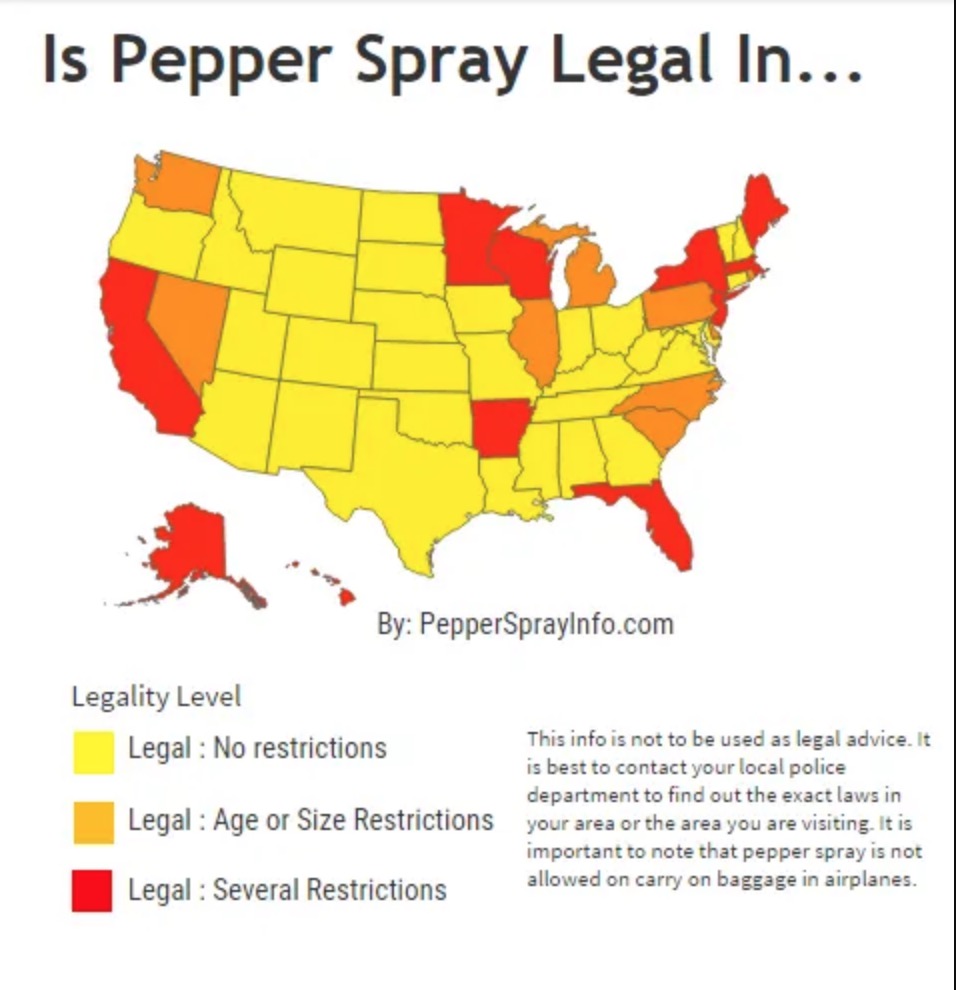
Pepper spray is legal for civilian carry in all 50 U.S. states as of 2026, but state-specific restrictions vary and matter. Massachusetts limits canister size to 1.5 oz and requires purchase from a licensed firearms dealer. New York restricts online purchases. California limits the OC percentage and canister size. Michigan, New Jersey, and several other states carry specific age requirements or usage restrictions. Some states additionally prohibit CS tear gas combinations entirely, which is relevant for anyone considering the SABRE 3-in-1. Before purchasing and carrying, anyone in a regulated state should verify current local law — regulations have changed in several states in the past few years.

Air travel carries a firm prohibition: pepper spray is banned from both carry-on and checked baggage on all commercial flights in the United States, with only very limited exceptions for certain concentrations in checked bags under TSA rules. Bringing a spray canister through airport security is a federal violation. This is worth stating clearly because many everyday carry users forget their EDC items before traveling. Most buyers who carry daily benefit from designating a spray specifically for everyday carry that gets set aside before any air travel, rather than risk confiscation or worse.
What Self-Defense and Martial Arts Instructors Recommend
Our team reached out to self-defense and martial arts instructors across the country — from traditional martial arts to MMA, Jiu-Jitsu, Aikido, and systems-based self-defense programs — to understand how professional trainers think about chemical deterrents alongside physical skills. The consensus was consistent: pepper spray should be treated as a primary layer of defense, not a backup plan.

Master Brian Morágne emphasized that chemical deterrents are particularly valuable for the gap between situational awareness and a physical engagement — the critical seconds where most trained fighters are still deciding whether to act. A well-deployed pepper spray removes the need for that physical engagement entirely in most cases, which is always the preferred outcome.

Jeffrey Liddle pointed out that even highly trained martial artists carry spray, because a physical technique requires proximity — pepper spray creates and maintains distance. He recommends any student who is serious about self-protection carry a spray regardless of their belt rank or training hours.


Master Reggie Trinidad and John Frederick of the SHIELD Self-Defense System both stressed the importance of training with the specific carry device before relying on it. The mechanics of opening a flip-top safety and aiming under adrenaline are different from calm handling at a store counter. John Frederick recommends dry-practice deployment drills — removing the canister from its carry position and going through the motion of deployment without actually spraying — as a regular training exercise for any student who carries.

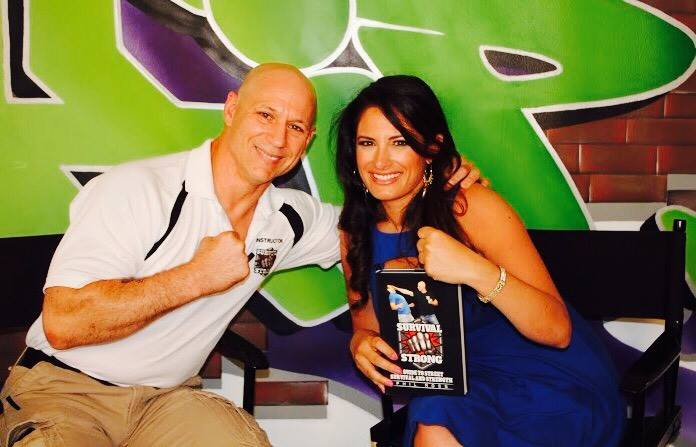
Tony Le of Guardian Traditional Martial Arts and Phil Ross of Survival Strong both noted that the psychological barrier to carrying is the most significant obstacle most people face. Many people know they should carry some form of self-defense tool and simply don't — either because they find existing options too bulky, or because they've never taken the step to purchase one. Both instructors actively recommend compact sprays like the POM to students as a first step into carrying anything, specifically because compliance matters more than perfection in equipment.

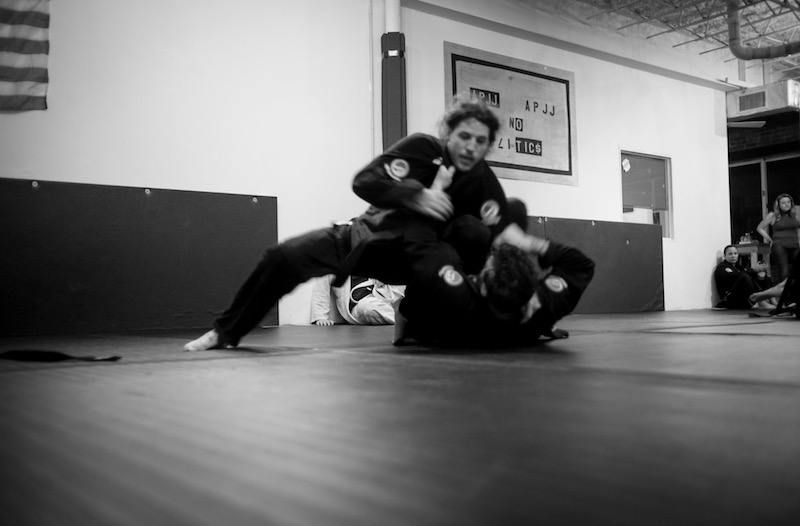
Falbo's Family Karate and Ian Clark of Asbury Park Jiu Jitsu both focused on layered safety: neither instructor views a pepper spray as a complete self-defense solution on its own. It's a tool that buys time, creates distance, and creates an opportunity to escape — not a guarantee. Ian Clark in particular emphasized that Jiu-Jitsu practitioners should understand that grappling range is chemical spray's weakest position; if an attacker closes to within arm's reach before the spray deploys, it becomes difficult to aim effectively and both parties may be exposed.


The Aikido School of New Jersey and instructor Cary Sochin both noted the alignment between Aikido principles and chemical spray use: the philosophy of redirecting and neutralizing a threat without unnecessary escalation maps naturally to a tool that incapacitates without injuring. Sochin recommends that students understand the legal implications of spray use in their state before carrying, noting that using any self-defense tool unlawfully can quickly reverse who is considered the aggressor in a legal context.


Wallace Bailey and Gabriel Mora both work with family-oriented programs and highlighted the particular value of pepper spray for younger adults — college-age students living away from home for the first time, women commuting alone, and anyone in a new city unfamiliar with their surroundings. Both instructors emphasize that a tool like pepper spray is most effective when carrying it has become automatic habit rather than a conscious daily decision.



Carlos Zevallos of MMA Kickboxing Coral Gables, Mark Moore of Underground Martial Arts and Fitness Centre, and Brian Kwong rounded out the instructor perspectives with a unified theme: the fight that never starts is the one that always ends in the defender's favor. All three instructors use a layered framework in their courses — awareness first, verbal de-escalation second, chemical deterrents third, and physical skills as a last resort. Pepper spray occupies the third layer because it creates separation and time without requiring a physical altercation that carries its own unpredictable risks even for a skilled practitioner.
Other Well-Known Options Worth Noting
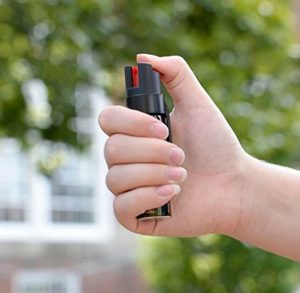
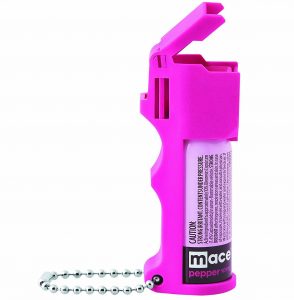
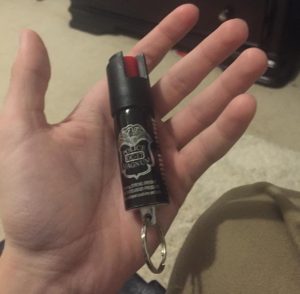
Beyond the seven products reviewed above, a few names appear frequently in buyer research. SABRE's standard Red line — distinct from the home defense unit reviewed here — has historically been the volume sales leader in the category and remains a reliable, affordable entry point for anyone budget-conscious. Mace Brand has been manufacturing defense sprays for decades and offers a range of pocket-friendly units with solid formula verification. Police Magnum OC sprays are widely available and occupy the low-cost tier of the market; formula verification practices vary and buyers should scrutinize label claims carefully before purchasing at that price point. Our picks above represent the options where formula quality, deployment reliability, and carry design all meet a threshold we're comfortable recommending.
FAQs
How long does pepper spray remain effective after purchase?
Most manufacturers specify a shelf life of 2-4 years. SABRE products are marked with an expiration date on the canister. The OC formula can degrade over time, and the propellant pressure can drop — both of which reduce effectiveness. Anyone carrying a canister they purchased more than three years ago should replace it. Storing spray in a hot car accelerates degradation; a bag, belt, or indoor storage location is preferable.
What is the difference between OC pepper spray and tear gas?
OC (oleoresin capsicum) is a naturally derived compound from hot peppers that causes intense burning of the eyes, skin, and mucous membranes. Tear gas — most commonly CS gas — is a synthetic chemical irritant that produces similar symptoms through a different mechanism. The SABRE 3-in-1 reviewed above combines both agents. CS gas is considered more effective against individuals who are highly intoxicated or pain-tolerant. It also faces stricter legal restrictions in several U.S. jurisdictions, so buyers should check local law before purchasing combination formulas.
Can pepper spray cause permanent injury?
Temporary exposure to OC under standard self-defense use conditions does not cause permanent eye damage or lasting injury in the overwhelming majority of documented cases. Effects — intense burning, involuntary eye closure, disorientation, respiratory distress — are designed to be incapacitating but temporary, typically resolving within 30-45 minutes with fresh air and water flushing. However, prolonged exposure, extremely high concentrations, or exposure combined with other medical conditions can require medical attention. Any exposure should be treated with thorough fresh water rinsing and medical evaluation if symptoms persist beyond an hour.
Is pepper spray allowed on airplanes?
No. The TSA prohibits pepper spray from carry-on luggage on all commercial flights. A very limited exception exists for checked baggage: a single container of up to 4 fl oz with no more than a 2% active ingredient concentration may be permitted in checked bags, but this varies by airline and is frequently disallowed entirely. The straightforward answer for most travelers: leave it at home. Traveling with a canister through security is a federal violation with real consequences, not a minor inconvenience.
What should anyone do immediately after being accidentally exposed to their own spray?
Move to fresh air immediately. Do not touch the face or rub the eyes — rubbing spreads the OC and worsens the burning. Flush affected areas with large amounts of cool water for at least 15-20 minutes. Soap and water help remove oily OC residue from skin. For eye exposure, flushing with clean water is the primary treatment; avoid milk or other home remedies that are not supported by clinical evidence. If symptoms are severe or respiratory distress occurs, seek medical attention promptly.
Does pepper spray work against dogs and animal attacks?
Yes — OC-based sprays are generally effective against dog attacks, and several brands make formulations specifically marketed for that use. Standard personal defense sprays can be used against dogs, though bear spray should not be used as an animal deterrent in place of a product specifically designed for that species. Counter Assault's bear spray, reviewed above, is EPA-registered and tested for bear encounters specifically. For dog deterrence, a dedicated dog repellent spray (typically a lower OC concentration in a wider fogger pattern) may be more appropriate than a high-concentration personal defense stream formula.
Buy on Walmart
- SABRE Crossfire Pepper Gel, Deploys At Any Angle, Maximizes — Walmart Link
- POM Pepper Spray Pocket Clip, Quick Flip Top Safety, Maximum — Walmart Link
- SABRE 3-in-1 Compact Defense Spray – Pepper Spray, Tear Gas — Walmart Link
- Fox Labs Mean Green Pepper Spray – 3,000,000 SHU – | 1.2% MC — Walmart Link
- SABRE Red Home Defense Pepper Gel With Wall Mount For Easy A — Walmart Link
- Counter Assault Bear Spray with Holster - Bears, Mountain Li — Walmart Link
- Kimber Self Defense Less-Lethal PepperBlaster 3 - (3 Pack) - — Walmart Link
Buy on eBay
- SABRE Crossfire Pepper Gel, Deploys At Any Angle, Maximizes — eBay Link
- POM Pepper Spray Pocket Clip, Quick Flip Top Safety, Maximum — eBay Link
- SABRE 3-in-1 Compact Defense Spray – Pepper Spray, Tear Gas — eBay Link
- Fox Labs Mean Green Pepper Spray – 3,000,000 SHU – | 1.2% MC — eBay Link
- SABRE Red Home Defense Pepper Gel With Wall Mount For Easy A — eBay Link
- Counter Assault Bear Spray with Holster - Bears, Mountain Li — eBay Link
- Kimber Self Defense Less-Lethal PepperBlaster 3 - (3 Pack) - — eBay Link
The canister that actually rides in a pocket every day will always outperform the superior one left at home.


About Robert Fox
Robert Fox spent ten years teaching self-defence in Miami before transitioning into home security consulting and writing — a background that gives him an unusually practical, threat-aware perspective on residential security. His experience spans physical security assessment, lock and alarm system evaluation, and the behavioral habits that make homes harder targets. At YourHomeSecurityWatch, he covers home security product reviews, background check and criminal records resources, and practical guides on protecting your property and family.
You can Get FREE Gifts. Furthermore, Free Items here. Disable Ad Blocker to receive them all.
Once done, hit anything below