A home burglary occurs every 30 seconds in the United States, and the overwhelming majority of targeted homes had no alarm system installed — a pattern the FBI's Uniform Crime Reports have documented for decades. If you're researching the reasons to install a home security system, you're already thinking more carefully about risk than most homeowners do. A quality system doesn't just sound an alarm when a window breaks — it deters criminals before they act, connects you to emergency services in real time, and gives your household a safety layer that works around the clock. Start with our home security guides for a full overview of your options.
Home security technology has changed dramatically in recent years. Today's systems combine smart locks, high-definition cameras, motion sensors, and professional monitoring into a single platform you manage from your phone. Whether you own a house or rent an apartment, there's a configuration that fits your space and your budget. You don't need to overspend — but you do need to understand what you're protecting and why.
Before you assume a security system is overkill for your situation, look at what the evidence actually shows. Research consistently demonstrates that visible security measures significantly reduce the risk of being targeted. And if you're planning time away from home, our guide on protecting your home while on vacation pairs naturally with a permanent alarm setup.
Contents
- The Real Reasons to Install a Home Security System
- Home Security Myths That Are Simply Wrong
- Entry-Level vs. Advanced Home Security Systems
- How Home Security Options Compare
- Mistakes That Undermine Your Own Security System
- When a Security System Is the Right Call — and When It Isn't
- Frequently Asked Questions
The Real Reasons to Install a Home Security System
What Burglary Statistics Actually Tell You
Most people underestimate their personal risk because burglary feels like something that happens to someone else — until it doesn't. Studies show that homes without security systems are up to three times more likely to be burglarized than those with visible deterrents. Criminals actively look for easy targets: unlocked doors, no exterior lighting, no camera in the driveway. A security system changes your profile from easy mark to high-risk property. That shift alone is often enough to send an intruder somewhere else.
Beyond Theft: What a System Protects Against
Burglary is only one piece of the picture. Modern security systems also detect smoke and carbon monoxide, alert you to water leaks, and let you monitor who enters and exits your home while you're away. If an elderly parent lives with you, or your kids come home from school alone, real-time monitoring gives you visibility a deadbolt simply can't provide. A well-integrated system protects against a far wider range of threats than most homeowners consider when they start shopping.
Home Security Myths That Are Simply Wrong
Myth: Security Systems Are Too Expensive
The upfront cost of home security has dropped significantly. DIY systems from reputable brands start under $200 for a solid basic setup, and professional monitoring plans often cost less per month than a single streaming subscription. When you factor in potential insurance discounts — many providers reduce your homeowner's premium by 5–20% for a monitored system — the math shifts quickly in your favor. Cost is a real factor, but it's rarely the barrier people assume it is.
Pro tip: Call your home insurance provider before purchasing a system — many offer discounts that offset several months of monitoring fees right from the start.
Myth: You Live in a Safe Neighborhood
Neighborhood reputation doesn't predict your personal risk as accurately as you'd think. Opportunistic burglars don't always target high-crime areas — they target easy homes. A well-kept house in a quiet suburb with no alarm is often more attractive than a fortified home in a statistically riskier zip code. Your neighborhood's crime rate is not your home's crime rate. Your individual security posture is what actually determines your exposure.
Entry-Level vs. Advanced Home Security Systems
What Starter Systems Cover
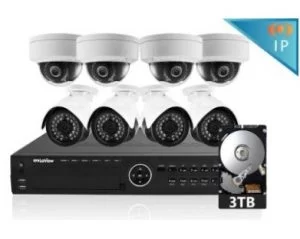
A starter system typically includes a central hub, one or two door and window sensors, a motion detector, and a siren. You get the core deterrence value and local alerts without a large investment. These setups work well for renters, first-time buyers, or anyone protecting a smaller space. Many starter systems are modular and expandable, so you can add cameras and smart locks later without replacing the whole platform. For extra physical reinforcement at entry points, our guide to the best door security bars and jammers covers options that work alongside any alarm system.
When to Upgrade to a Full Smart Home Setup
Advanced systems bring outdoor cameras, video doorbells, smart locks, glass break sensors, and environmental monitors together under a single app-controlled dashboard. If you have a larger home, multiple entry points, valuables worth protecting, or family members with specific safety needs, full integration is worth the investment. Professional monitoring means someone is watching even when you're not — a critical difference if a sensor triggers at 3 a.m. while you're asleep with your phone on silent.
How Home Security Options Compare
Not all systems are built the same way. The table below breaks down the main categories so you can match the right solution to your home and your budget.
| System Type | Monitoring | Avg. Monthly Cost | Best For | Flexibility |
|---|---|---|---|---|
| DIY Self-Monitored | Self only | $0–$10 | Tech-savvy renters | High |
| DIY + Professional Monitoring | 24/7 center | $10–$30 | Homeowners on a budget | High |
| Professionally Installed | 24/7 center | $30–$60 | Larger homes, families | Low–Medium |
| Smart Home Integrated | 24/7 + app | $20–$50 | Full automation users | Very High |
The right choice depends on how much control you want, how much you're willing to spend monthly, and whether you're comfortable with self-installation. There's no universally best option — there's only the best option for your specific home.
Mistakes That Undermine Your Own Security System
Poor Camera and Sensor Placement
The most common installation mistake is placing equipment where it's convenient rather than where it's effective. A camera pointed at the wrong angle misses your driveway entirely. A motion sensor calibrated too sensitively trips on tree branches and trains you to ignore every alert. Placement determines whether your system actually catches what matters — take the time to map your entry points and coverage gaps before you mount anything permanently.
Warning: If you're disabling alerts because they fire too often, your system is effectively off — revisit your sensitivity settings before blaming the hardware.
Skipping Professional Monitoring
Self-monitoring works well — until you're unavailable. If an alarm triggers while you're in a meeting, on a flight, or asleep with your phone on silent, nobody responds. Professional monitoring closes that gap. A central station receives the alert, verifies it, and dispatches emergency services if needed. For most households, that backup layer is worth far more than the monthly subscription cost.
When a Security System Is the Right Call — and When It Isn't
The Right Time to Act
The best time to install a security system is before an incident, not after one. Moving into a new home, welcoming a new baby, noticing a break-in on your block, or simply realizing your current setup has obvious gaps — these are all strong signals to act. The reasons to install a home security system are most compelling precisely when everything feels fine, because that's still when you have time to build the right defense without the pressure of responding to a crisis.
What a Security System Cannot Replace
A security system amplifies your safety — it doesn't replace sound daily habits. Leaving doors unlocked, sharing access codes too loosely, or ignoring alerts eventually undermines even the best hardware. Your alarm works best as part of a broader security mindset that includes strong physical locks, good exterior lighting, and consistent routines. Think of your system as the last line of defense, not the first and only one.
Frequently Asked Questions
Do home security systems actually deter burglars?
Yes. Surveys of convicted burglars and independent research consistently show that visible security measures — especially cameras and alarm signage — prompt most intruders to move on to an easier target. Deterrence is one of the most well-documented reasons to install a home security system.
Is professional monitoring worth the monthly fee?
For most households, yes. Professional monitoring ensures that someone acts on an alert even when you can't. The monthly cost is modest compared to the risk of missing a real intrusion while you're unavailable, traveling, or asleep.
Can I install a home security system myself?
Absolutely. Most modern DIY systems are designed for self-installation with no special tools required. You'll want to plan sensor and camera placement carefully before you start, but the hardware itself typically mounts with adhesive pads or basic screws in under an hour.
Will a security system reduce my homeowner's insurance premium?
In most cases, yes. Many insurance providers offer discounts ranging from 5–20% for homes with monitored alarm systems. Contact your insurer before you purchase — some require specific certifications or monitoring providers to qualify for the discount.
What's the difference between monitored and unmonitored systems?
A monitored system sends alerts to a professional center that can dispatch police or fire services. An unmonitored system triggers a local alarm and sends a push notification to your phone, but no one else acts unless you do. Monitored systems provide a critical safety net when you're unavailable.
How do I choose the right system for my home?
Start by identifying your home's entry points, your monthly budget, and whether you want professional monitoring. Renters and smaller households often do well with expandable DIY systems. Larger homes with multiple occupants or high-value contents typically benefit from professionally installed, fully integrated setups.
The best home security system is the one you actually install — because no camera, sensor, or alarm protects a home that's still waiting for the right moment.


About Robert Fox
Robert Fox spent ten years teaching self-defence in Miami before transitioning into home security consulting and writing — a background that gives him an unusually practical, threat-aware perspective on residential security. His experience spans physical security assessment, lock and alarm system evaluation, and the behavioral habits that make homes harder targets. At YourHomeSecurityWatch, he covers home security product reviews, background check and criminal records resources, and practical guides on protecting your property and family.
You can Get FREE Gifts. Furthermore, Free Items here. Disable Ad Blocker to receive them all.
Once done, hit anything below