A few years back, a neighbor called me rattled after someone tried to force her front door in the middle of the night. Fresh scratch marks on the frame told the story — but the deadbolt hadn't moved an inch. That lock, a Grade 1 unit she'd chosen carefully after doing her research, held the line while she called the police. If you've ever wondered what makes a high quality mechanical deadbolt, that moment is your answer distilled. Every specification — grade rating, bolt throw depth, cylinder construction, strike plate anchoring — maps directly to real-world resistance. Our comprehensive deadbolt buying guide covers the full category, but this post goes deep on the mechanical characteristics that actually matter.
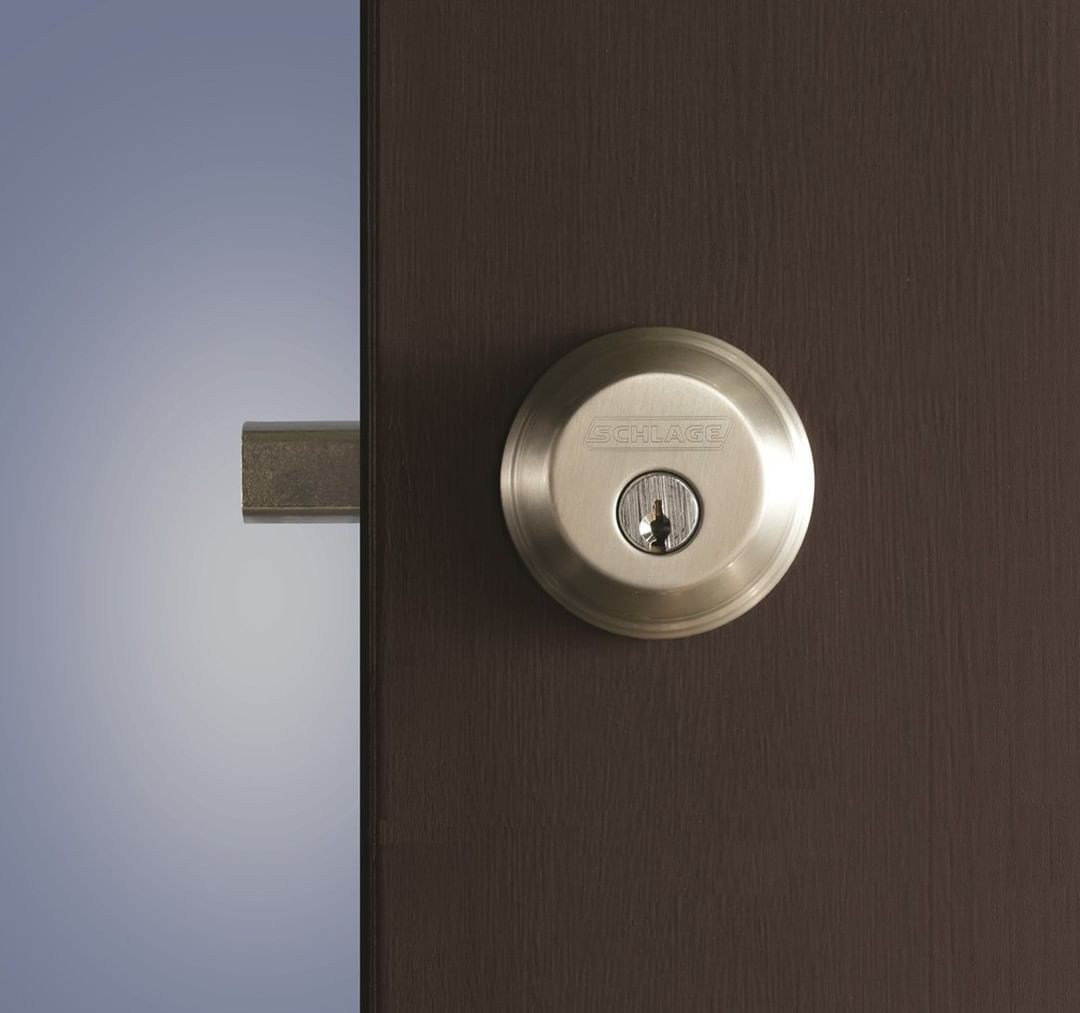
Mechanical deadbolts have no batteries to die, no firmware to exploit, and no Wi-Fi signal to intercept. A properly specified mechanical deadbolt is a purely physical barrier — and when built to the right standard, it consistently outperforms smart lock options that cost considerably more. The simplicity is the point.
Knowing what to look for requires more than scanning a product description. You need to understand the grading system, the attack methods burglars actually use, and how each design element resists those methods. Here is everything you need to know before you buy.
Contents
- Understanding the Deadbolt: Mechanism and Standards
- What Makes a High Quality Mechanical Deadbolt: Core Characteristics
- Comparing Deadbolt Grades Side by Side
- How to Properly Evaluate and Install a Deadbolt
- What Quality Deadbolt Protection Actually Costs
- Mistakes That Compromise Your Deadbolt's Effectiveness
- Frequently Asked Questions
- Final Thoughts
Understanding the Deadbolt: Mechanism and Standards
How a Deadbolt Actually Works
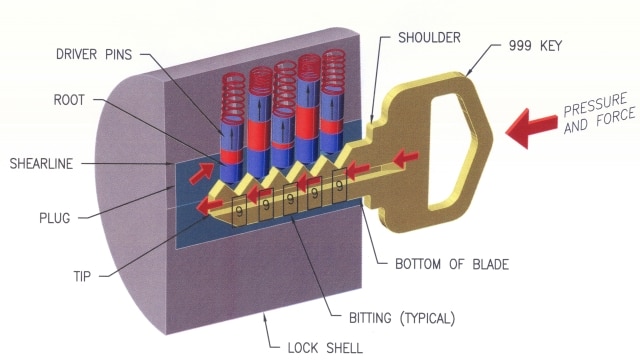
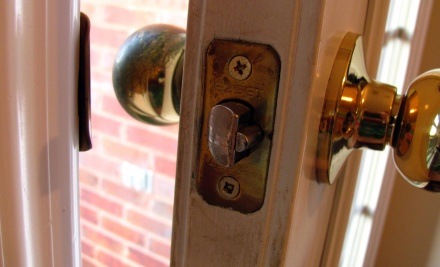
A deadbolt is mechanically distinct from a spring latch. When you turn the key or thumb-turn, a solid bolt extends directly into the door frame — no spring mechanism involved. That bolt doesn't retract under lateral pressure the way a spring latch does. To understand the internal mechanics more fully, our detailed breakdown of how a pin tumbler lock works explains the cylinder at the core of virtually every residential deadbolt on the market.
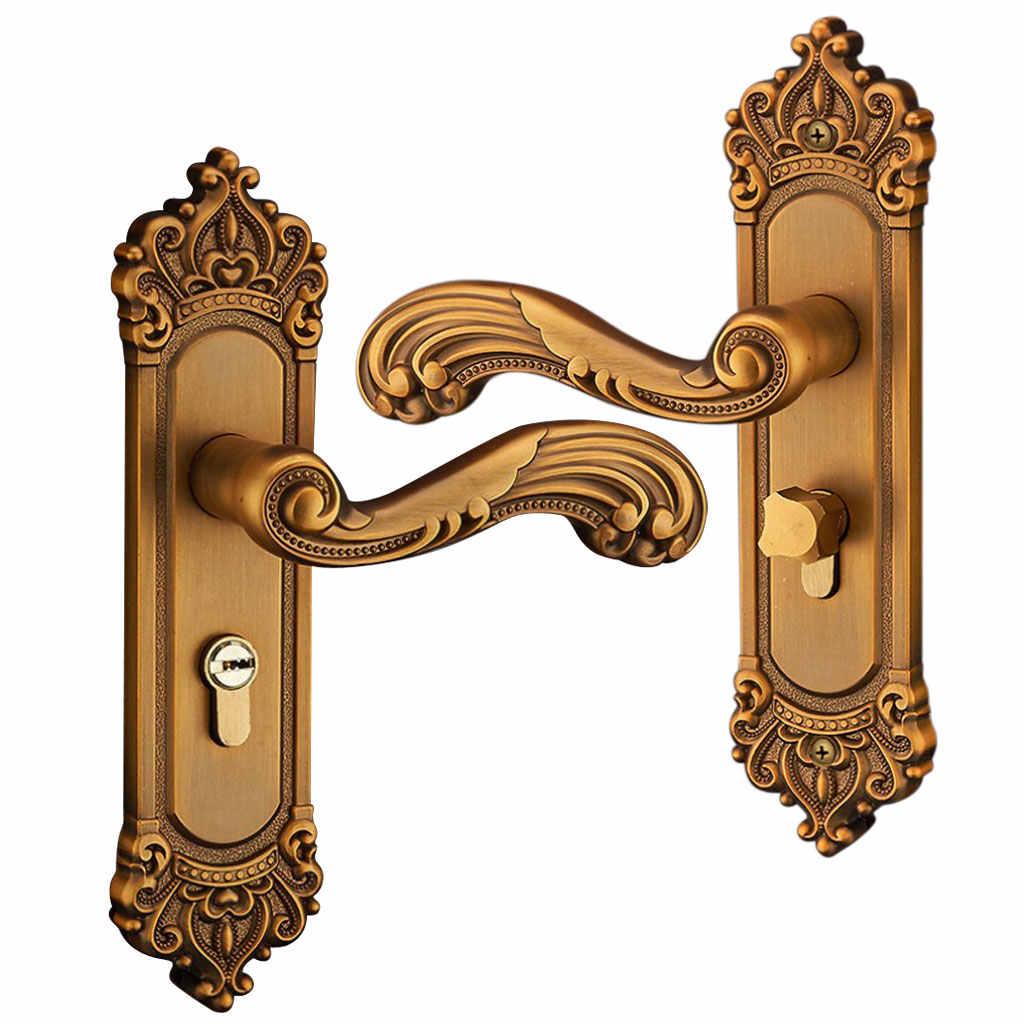
The bolt engages a strike plate embedded in the door frame. The strength of that engagement — determined by bolt throw depth, strike plate construction, and anchor screw length — defines the lock's resistance to kick-in attacks. A $15 deadbolt from a hardware store may pass a casual inspection but fail catastrophically under a single solid kick. The hardware matters, but so does the system around it.
The ANSI/BHMA Grading System
The deadbolt grading system administered by the Builders Hardware Manufacturers Association (BHMA) under ANSI standards is the most important framework you need to understand. Grades run from 3 (residential entry-level) to 1 (commercial-grade). Each grade corresponds to specific cycle tests, force resistance thresholds, and finish durability standards — not marketing language.

For residential use, Grade 1 is the minimum you should accept for any exterior door. Grade 2 is adequate for interior applications or secondary entrances with lower risk profiles. Grade 3 belongs on interior doors only — installing it on a front door is a decision you will regret.
What Makes a High Quality Mechanical Deadbolt: Core Characteristics
When security professionals evaluate a deadbolt, they examine a specific set of physical characteristics — not brand recognition or finish color. These are the elements that define what makes a high quality mechanical deadbolt different from a decorative piece of hardware.
Bolt Throw and Housing Material
The bolt throw — the distance the bolt extends into the frame when locked — must be at least one full inch on any quality exterior deadbolt. Many budget models throw only 5/8 of an inch, which is insufficient to resist a determined kick-in. The bolt itself should be solid hardened steel, not zinc alloy or pot metal. You can identify inferior materials by weight: a quality bolt feels noticeably heavier in your hand.
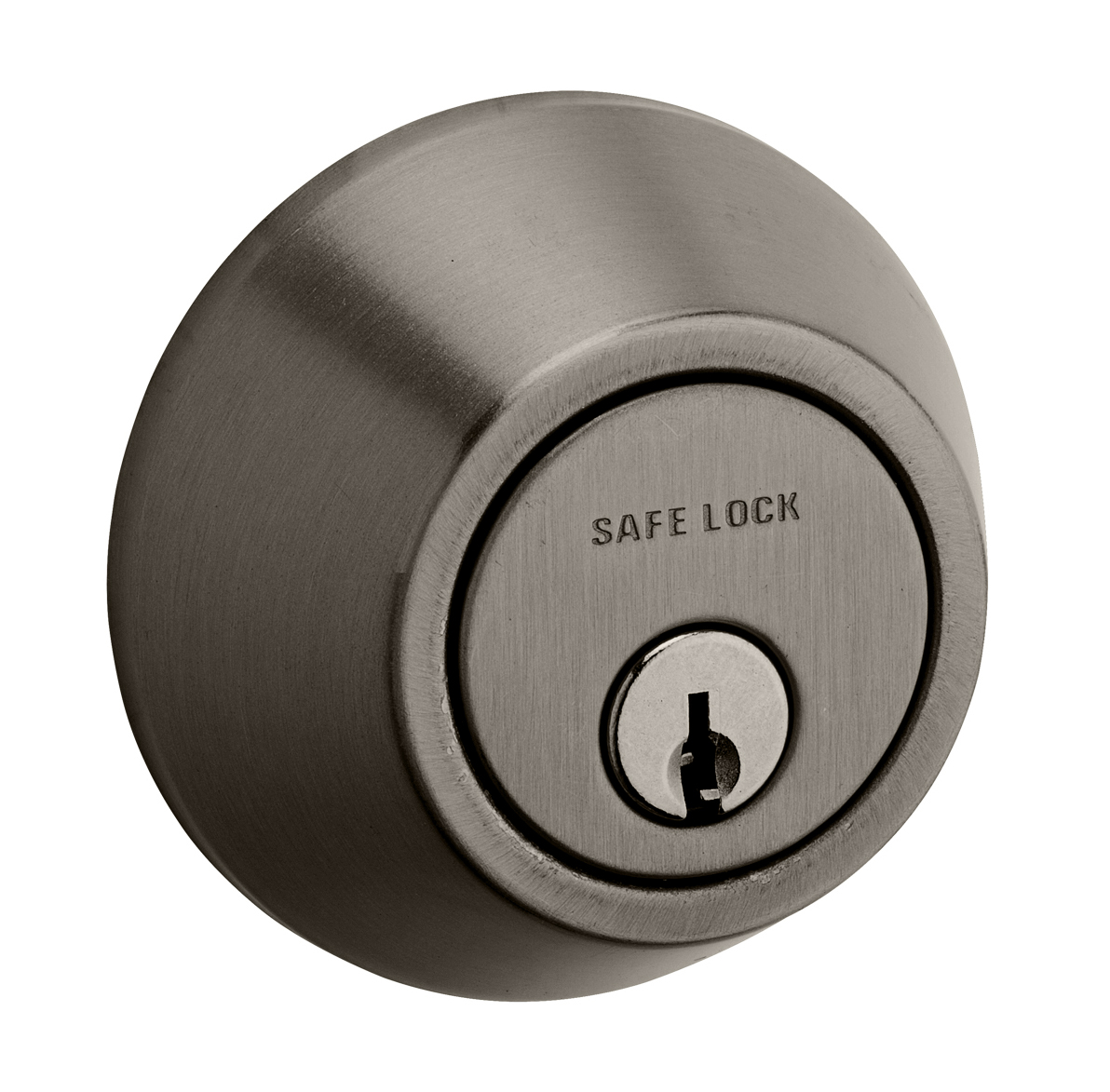
The housing — the internal case containing the bolt mechanism — should be solid brass or steel. Any lock whose housing flexes when you apply hand pressure will fail under impact. Flex in the housing under your grip translates directly to catastrophic failure when a boot meets the door.
Cylinder Quality and Pin Count
Standard residential cylinders use 5-pin configurations. High-security cylinders step up to 6 or 7 pins with additional security pins — spool pins, serrated pins, or mushroom pins — that dramatically increase resistance to manipulation attacks. If you want to understand exactly how inferior cylinders get exploited, our post on how lock picking works covers the mechanics in precise detail.
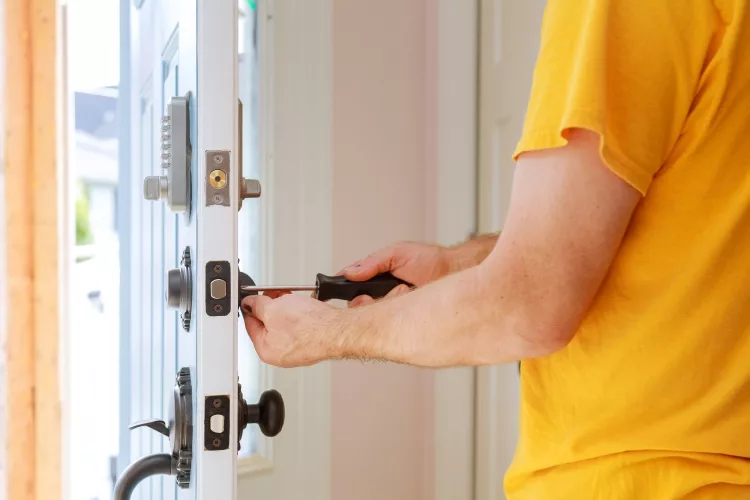
Cylinder material matters equally. Solid brass cylinders resist corrosion and hold tight manufacturing tolerances over decades of use. Zinc alloy cylinders are cheaper to produce but wear faster, introducing play into the mechanism over time — and play in a cylinder is exactly what makes picking and manipulation easier.
Bump and Pick Resistance
Lock bumping uses a specially cut "bump key" to momentarily displace the pin stack, allowing the cylinder to rotate without a matching key. Most standard cylinders are vulnerable to this technique. High-security cylinders with spool or serrated security pins reset after each bump attempt rather than clearing, providing meaningful resistance. Our reviews of the best bump-proof locks identify which models have been independently verified against this specific attack vector.
Pro insight: ANSI Grade 1 certification does not automatically confer bump or pick resistance — verify separately that a lock carries UL 437 or ANSI/BHMA A156.30 high-security certification before assuming it defeats these attacks.
Drill Resistance and Key Control
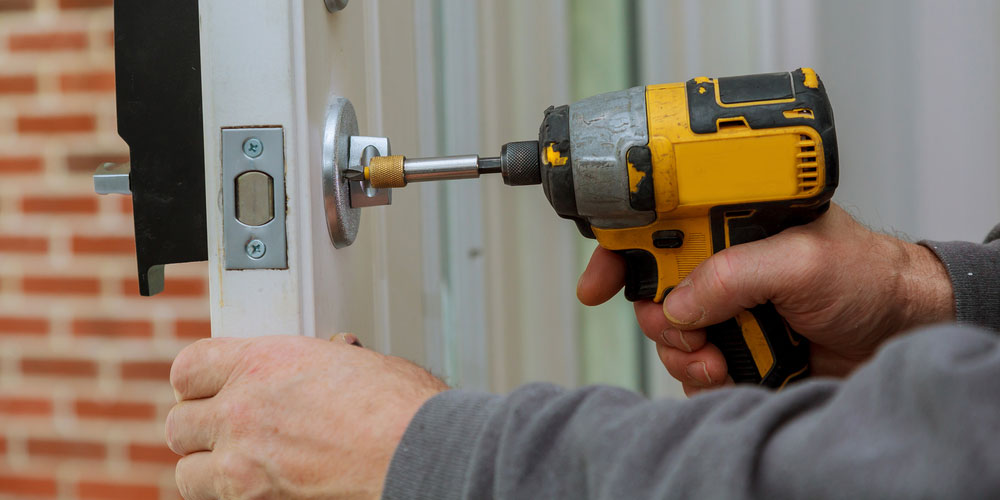
Drill attacks target the cylinder face and the connecting screws behind the rose plate. Quality deadbolts embed hardened steel inserts — anti-drill pins or plates — that destroy drill bits on contact. A deadbolt without drill protection is vulnerable to a two-minute attack that any hardware store drill can execute. The hardened insert adds negligible cost at the manufacturing level; its absence in budget locks is a deliberate cost-cutting decision.
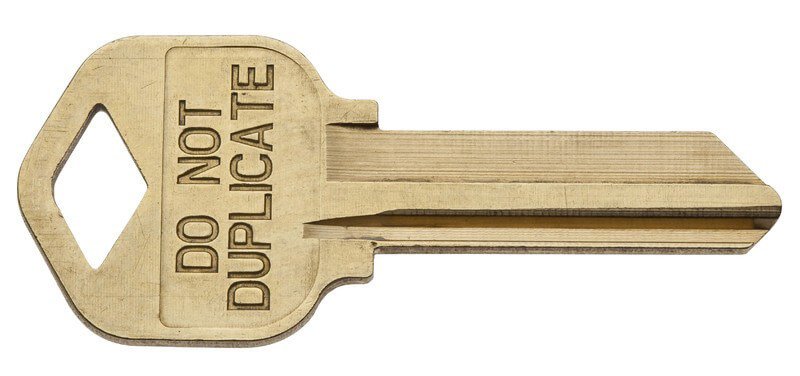
Key control — the ability to prevent unauthorized key duplication — rounds out the security picture. Patented key profiles that can only be duplicated by authorized dealers give you a documented chain of custody for every copy made. Standard key blanks are available at any hardware store; once a copy goes missing, your lock's security is effectively compromised.
Comparing Deadbolt Grades Side by Side
The difference between Grade 1, 2, and 3 deadbolts is not subtle. The table below maps each grade against the performance thresholds defined under ANSI/BHMA A156.5 testing standards — the numbers that determine whether your lock holds or fails under real conditions.

| Feature | Grade 3 | Grade 2 | Grade 1 |
|---|---|---|---|
| Minimum bolt throw | 5/8 inch | 3/4 inch | 1 inch |
| Strike force resistance | 150 lbs | 250 lbs | 360 lbs |
| Cycle rating | 250,000 | 400,000 | 250,000+ (commercial: 1M) |
| Finish durability (salt spray) | 96 hours | 200 hours | 250+ hours |
| Recommended use | Interior only | Secondary exterior | Primary exterior |
| Typical price range | $15–$35 | $35–$80 | $80–$300+ |
If you want premium commercial-grade options tested beyond standard residential thresholds, our roundup of the best commercial deadbolts covers the top-performing units at each price tier with detailed specifications.
How to Properly Evaluate and Install a Deadbolt
Evaluating Your Current Door Setup
Before installing a new deadbolt, evaluate your door and frame as a system. A Grade 1 deadbolt installed in a hollow-core door with a flimsy strike plate provides almost no real security — the weak point simply shifts to the next least-reinforced element. Knock on your door: a solid-core door sounds dull and dense; a hollow-core door sounds hollow and thin. Verify that your door frame is solid wood or reinforced metal, not thin pine trim that will splinter under a kick.
The Installation Details That Actually Matter
Installing a deadbolt is a straightforward DIY project, but the steps most tutorials gloss over are the ones that determine real security outcome:
- Strike plate anchoring: Replace the standard 3/4-inch builder screws with 3-inch structural screws that reach past the frame trim and into the wall stud. This single change can increase kick-in resistance by 300% or more — it costs nothing extra and takes five minutes.
- Backset alignment: Confirm your new deadbolt matches your door's backset — typically 2-3/8 or 2-3/4 inches — before purchasing. A mismatched backset forces the bolt to operate at an angle, reducing effective throw depth and accelerating internal wear.
After installation, test the bolt operation by locking and unlocking 15 times with the door open, then again with it closed but unlatched. Binding or resistance indicates misalignment — correct it immediately. A deadbolt that operates stiffly is one you will eventually force, which damages the internal mechanism and loosens the tolerances that resist picking.
What Quality Deadbolt Protection Actually Costs

The deadbolt market stratifies cleanly by price. Under $50, you are getting Grade 2 or Grade 3 hardware — acceptable for interior use, inadequate for a primary exterior door. The $80–$150 range is where most homeowners should land: solid Grade 1 options from Schlage, Kwikset, and Baldwin exist throughout this tier and provide genuine security without premium pricing.
High-security deadbolts with UL 437 certification — Medeco, Mul-T-Lock, ASSA Abloy — run $200–$400 or more. These provide measurably superior protection against picking, bumping, and drilling, and they include patented key control that standard locks cannot replicate. For a primary exterior door in a higher-crime neighborhood, or a home with significant valuables, that investment is justified without question. For a rental property's secondary entrance, a solid Grade 1 Schlage B60N at $90 is the rational choice.
What you should never do is underinvest in the lock while spending heavily on everything around it. A $300 camera system paired with a $20 deadbolt is a security contradiction. The deadbolt is the core of your door budget — everything else supports it. For a broader framework on how deadbolts fit into a complete protection strategy, see our guide to the best ways to burglar-proof your home.
Mistakes That Compromise Your Deadbolt's Effectiveness

The most common mistake is buying on aesthetics and price alone. Finish and styling drive much of the retail price variation in deadbolts — two locks with identical ANSI Grade 1 ratings can differ by $40 simply because one is matte black and the other polished brass. Focus on the grade certification and verified internal construction, not the finish. The finish doesn't stop a burglar.
The second mistake is ignoring the strike plate. The deadbolt's bolt only matters as far as the strike plate can hold it. Most builder-grade strike plates are two-inch stamped steel attached with 3/4-inch screws — they're decorative, not structural. A reinforced steel strike plate with 3-inch screws anchored into the wall stud is non-negotiable on any exterior door. You can have the finest deadbolt on the market and still lose a kick-in fight because of a $4 strike plate.
A third mistake is treating deadbolt installation as a one-time event. Deadbolts require annual maintenance — a small amount of dry graphite powder applied to the keyway keeps the cylinder operating smoothly and extends its service life by years. Neglected cylinders develop stiff operation, which leads to forcing the key, which accelerates internal wear and eventually loosens the pin stack tolerances that resist picking and bumping. Thirty seconds of maintenance once a year protects a hardware investment that may cost you $150 or more.
Frequently Asked Questions
What is the minimum bolt throw for a high quality deadbolt?
A minimum one-inch bolt throw is required for any deadbolt intended for exterior door use. Budget models often provide only 5/8 of an inch, which is insufficient to resist a kick-in attack. Grade 1 deadbolts must meet the one-inch standard under ANSI/BHMA A156.5 testing — that threshold is not arbitrary.
Is a Grade 1 deadbolt the same as a high-security deadbolt?
Not exactly. Grade 1 is the top tier of the standard ANSI residential grading system and is the minimum for any exterior door. High-security deadbolts — carrying UL 437 or ANSI/BHMA A156.30 certification — go beyond Grade 1, adding independently verified resistance to picking, bumping, drilling, and unauthorized key duplication.
Can a standard deadbolt be bump-proof?
Standard deadbolts are vulnerable to bump attacks. Bump resistance requires security pins — spool, serrated, or mushroom configurations — in the cylinder. Never assume a Grade 1 certification includes bump resistance; it does not. Look for locks with explicit bump-resistance or high-security certification from an independent testing body.
How long does a quality mechanical deadbolt last?
A properly maintained Grade 1 deadbolt can last 20 to 30 years. The ANSI cycle rating is 250,000 operations — more than enough for multiple daily uses across decades. The limiting factors are typically finish degradation from outdoor exposure and cylinder wear from lack of lubrication, not structural failure of the bolt or housing.
Should I use a double-cylinder deadbolt on my front door?
Double-cylinder deadbolts — keyed on both sides — prevent glass-break-and-reach entry but create a serious fire egress risk. Most fire codes restrict or prohibit their use on primary exits. If your door has glass panels, reinforce the glass with laminated or tempered film instead of relying on a double-cylinder configuration.
What screws should I use for a deadbolt strike plate?
Use 3-inch structural screws that reach past the door frame trim and anchor into the wall stud behind it. Standard builder strike plates ship with 3/4-inch to 1-inch screws that only penetrate the trim — these provide almost no resistance to a kick-in attack regardless of the deadbolt grade above them.
Is a mechanical deadbolt better than a smart lock for security?
For pure physical security, a high-grade mechanical deadbolt outperforms most smart locks in its price range. Smart locks introduce additional attack surfaces — Bluetooth vulnerabilities, dead batteries, and software exploits — that mechanical locks do not have. Many security-conscious homeowners install a quality mechanical deadbolt alongside a smart lock on the same door to get both physical and remote access benefits.
Final Thoughts
Now that you know exactly what makes a high quality mechanical deadbolt, take the next concrete step: walk to your front door, find the grade certification stamp on your existing lock, and pull out the strike plate screw to measure it. If you cannot confirm a Grade 1 rating and your strike plate screws are shorter than three inches, replacing that hardware is the single highest-return security upgrade available to you. Browse our full deadbolt guide to compare top-rated options at every price point and find the right fit for your door.


About Robert Fox
Robert Fox spent ten years teaching self-defence in Miami before transitioning into home security consulting and writing — a background that gives him an unusually practical, threat-aware perspective on residential security. His experience spans physical security assessment, lock and alarm system evaluation, and the behavioral habits that make homes harder targets. At YourHomeSecurityWatch, he covers home security product reviews, background check and criminal records resources, and practical guides on protecting your property and family.
You can Get FREE Gifts. Furthermore, Free Items here. Disable Ad Blocker to receive them all.
Once done, hit anything below