The most common home security weak points are rarely the sophisticated ones you see in movies — they're the unlocked side gate, the spare key under the doormat, and the shrub that perfectly conceals your front door from the street. If you can identify these vulnerabilities before a burglar does, you're already ahead. This guide covers all seven, with practical fixes you can act on today. For a broader look at building a complete layered defense, visit our home security guides.

Burglars operate on risk assessment. Every home they consider is evaluated for ease of entry, visibility, and likelihood of detection. Homes with obvious weak points get targeted first — not because criminals are sophisticated, but because they don't need to be. Most residential break-ins require less than sixty seconds to execute, and the majority happen through unlocked or poorly secured entry points.
You don't need to turn your home into a fortress. You need to make it harder to breach than the next one. Closing even a few of these gaps puts you in a significantly stronger position. According to the Bureau of Justice Statistics, most residential burglaries are committed by people with no special tools or skills — which means most can be deterred by straightforward countermeasures.
Contents
How Burglars Exploit Common Home Security Weak Points

What the Data Reveals
Residential burglary isn't random. Offenders typically spend less than a minute evaluating a property before deciding whether to proceed. A home that takes effort to breach is almost always passed over for one that doesn't. Contrary to what most people assume, the majority of break-ins occur through the front door, back door, or ground-floor windows — not through garage panels or basement hatches. Understanding how burglars think and move is one of the most effective tools in your security arsenal, because it lets you prioritize the right fixes first.
The Signals Burglars Look For
What makes a home look like an easy target? Overgrown bushes that block sightlines. No exterior lighting. A visible lack of cameras. Mail piling up by the door. An empty driveway for several consecutive days. These aren't cosmetic problems — they're signals. Each one tells a potential intruder that nobody is watching, nobody will notice, and entry will be quick. Addressing the weak points in this guide directly disrupts those signals and shifts attention elsewhere.
Keys, Locks, and Your Front Door
Weak Point 1: Keys
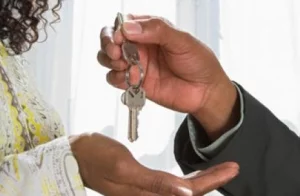
A physical key is a liability the moment it leaves your possession — whether you loan it to a contractor, give a copy to a neighbor, or stash a spare outside. Keys can be duplicated in seconds at any hardware store, and once a copy exists, you've permanently lost control of who can enter your home.
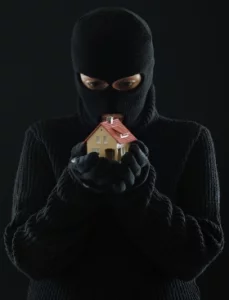
Hiding a spare key outside — under a rock, above the door frame, or beneath the mat — is one of the most widely exploited vulnerabilities in residential security. Burglars know every common hiding spot and will check them before attempting forced entry. If you need to provide access to trusted individuals, use a key lockbox with a combination code mounted in a discreet location. Better yet, eliminate the physical key entirely.

Smart locks let you assign unique access codes to different people, review entry logs, and revoke access remotely — all without a key being duplicated. Switching to a keyless entry system is one of the highest-impact upgrades you can make to address this specific weak point.
Weak Point 2: Locks
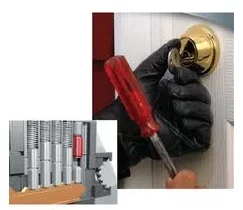
Most homes ship with standard pin-tumbler locks that offer minimal resistance to an experienced intruder. Two techniques — lock picking and lock bumping — can defeat these locks in under a minute without leaving visible damage. Lock bumping is a particularly serious threat because it requires almost no skill and uses inexpensive tools available to anyone willing to look for them.
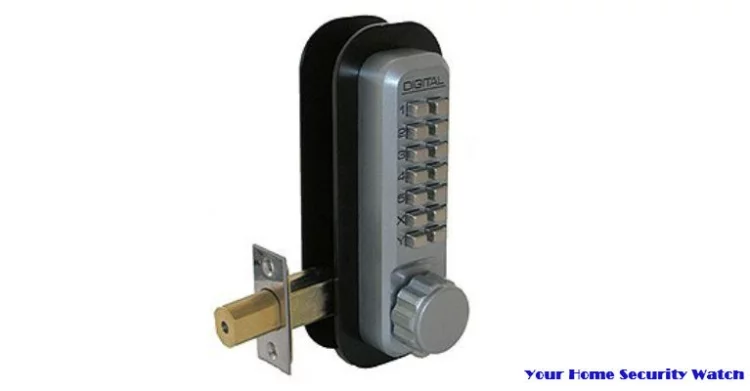
The fix is to upgrade to ANSI Grade 1 deadbolts with certified anti-pick and anti-bump features. Brands like Medeco, Mul-T-Lock, and ABLOY manufacture locks that resist both attacks. Understanding exactly what makes a deadbolt secure will help you make the right hardware choice for each entry point in your home.
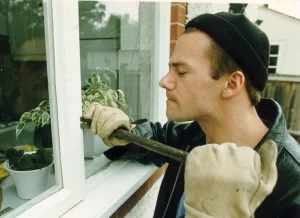
Weak Point 3: Doors and Frames
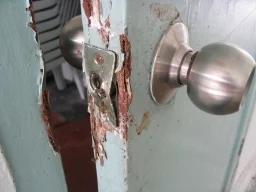
A high-grade deadbolt installed in a weak door frame is nearly useless. Door frames are frequently the first thing to fail in a forced entry — a single kick can split a standard wooden frame away from the wall regardless of how strong the lock is. Reinforce your frames with a steel door reinforcement kit, and replace builder-grade strike plates with heavy-duty versions secured with 3-inch screws anchored into the wall stud rather than just the trim. Exterior doors should be solid-core wood or steel. Hollow-core doors offer almost no resistance to a determined kick.
Sensors, Windows, and Security Cameras
Weak Point 4: Alarm Sensors
Most alarm systems come with a basic package: a few door contacts and a motion detector. That's a starting point, not a complete solution. Door contacts on your main entries are essential, but you also need coverage on every potential entry point — including garage doors, basement doors, and secondary side entrances.
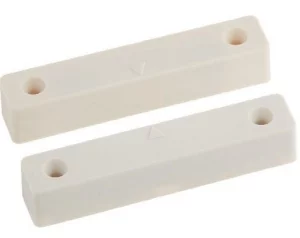
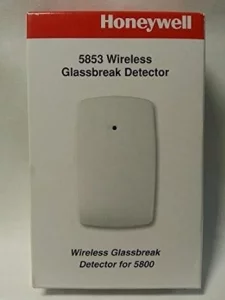
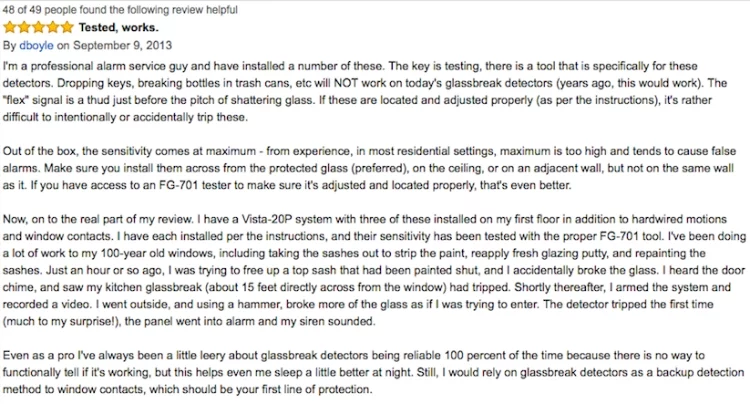
Glass break detectors are a critical and frequently overlooked component of alarm coverage. A door contact does nothing if an intruder smashes the window panel beside the lock and reaches in. The Honeywell 5853 is a widely trusted option that monitors a radius of up to 25 feet — a single unit can protect an entire room's worth of windows.
Weak Point 5: Windows
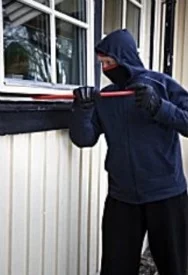
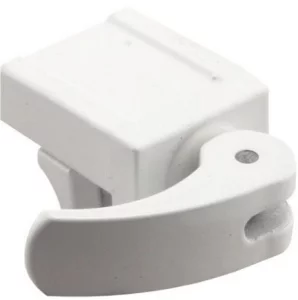
Windows are among the most overlooked common home security weak points — and among the most exploited. Most residential windows can be forced open in seconds when left unlocked. Sliding windows are especially vulnerable because the factory latch offers minimal resistance. Add secondary locks — sliding window pins or keyed security locks — to any window accessible from the ground or via an adjacent roof.
Window security film is a cost-effective additional layer. Applied to the interior glass surface, it holds shards together when the window is broken, slowing forced entry and creating significantly more noise than a clean break. For ground-floor windows on low-traffic sides of your property, this pairs well with a glass break detector and a secondary mechanical lock.
Weak Point 6: Security Cameras
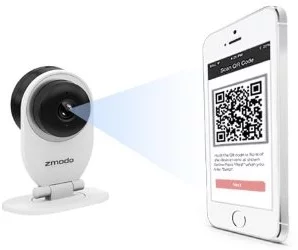
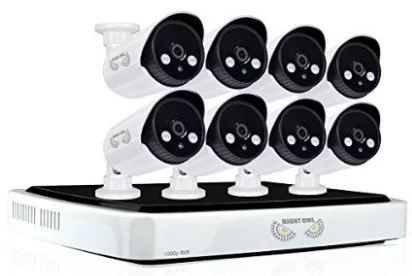
Cameras deter crime when positioned visibly at entry points. The problem isn't cameras themselves — it's poor placement. A camera mounted high on a corner eave with a wide sweeping angle gives you a beautiful shot of your lawn and almost nothing useful when someone is standing at your door. Cameras should be positioned at face height, aimed directly at each entry point — front door, back door, garage, and any secondary entries. For reliable budget-friendly options, our ZOSI security camera review covers a system that handles this placement strategy well.
Gardens, Shrubs, and Outdoor Lighting
When Landscaping Works Against You
Mature hedges and dense shrubs feel private and welcoming. But privacy cuts both ways. Anything that blocks your neighbor's view of your front door also provides concealment for someone testing your locks. Overgrown landscaping directly adjacent to entry points is a vulnerability, not a feature. Keep shrubs trimmed below window-sill height, and maintain clear sightlines from the street to your front and back doors. Thorny plants — hawthorn, barberry, rose — placed beneath ground-floor windows function as a natural deterrent that requires no electricity and minimal maintenance.
When to Rely on Lighting vs. Hardware
Darkness is a burglar's greatest advantage. Motion-activated floodlights at every entry point eliminate that advantage instantly. Position them to eliminate shadow zones — areas where someone could stand without triggering a sensor or being seen from the street. Solar-powered motion lights on side paths and rear entries require no wiring and deliver consistent coverage year-round. Lighting works best as a complement to hardware, not a substitute for it. If you're preparing for an extended absence, our guide on how to protect your home while on vacation goes deep on lighting automation and the timer strategies that make an empty home look occupied.
Mistakes That Make Your Home an Easy Mark
Habits That Signal Low Risk to an Intruder
Security hardware is only as effective as the habits that support it. Leaving the garage door open while you work in the backyard. Posting your travel dates on social media. Letting package deliveries pile up on the porch for days. Each of these behaviors signals to anyone paying attention that the home is unoccupied or unmonitored. A professionally monitored alarm system addresses some of this risk around the clock, but your daily habits matter as much as the hardware you install.
Talking openly to strangers about your security setup is another underestimated mistake. You don't need to broadcast which monitoring company covers your home, whether you have interior cameras, or when your family is typically away. Information is a tool, and you control how much of it you hand over.
What Most Security Audits Miss
The table below identifies where most homeowners fall short across all seven weak points, and what a thorough security audit should confirm:
| Weak Point | Common Mistake | Better Practice | Effort Required |
|---|---|---|---|
| Keys | Spare key hidden outside | Smart lock with unique access codes | Low |
| Locks | Standard pin-tumbler deadbolt | ANSI Grade 1 anti-bump deadbolt | Low |
| Door Frames | Builder-grade strike plate | Steel reinforcement kit with 3-inch screws | Low |
| Alarm Sensors | Only main entry points covered | Glass break detectors + all entry points | Medium |
| Windows | Relying on factory latches | Secondary locks + security film | Low |
| Security Cameras | High-mount, wide-angle coverage | Face-height, entry-point focused placement | Low |
| Landscaping & Lighting | Dense shrubs near entries, no motion lighting | Trimmed sightlines, motion floodlights at all entries | Low |
Most of these are low-effort fixes. The barrier isn't skill or budget — it's knowing where the gaps are. Walk your property with this list in hand and you'll identify your actual exposure level in under thirty minutes.
Frequently Asked Questions
What are the most common home security weak points?
The seven most common weak points are: physical keys — especially spare keys stored outside — standard locks vulnerable to bumping or picking, weak door frames, incomplete alarm sensor coverage, unsecured windows, poorly positioned security cameras, and landscaping that provides concealment to intruders near entry points.
How do most burglars enter a home?
The majority of residential break-ins occur through the front door, back door, or an accessible ground-floor window — not through garages or basement hatches as most people assume. Most intruders use forced entry or simply exploit an unlocked point rather than any sophisticated technique.
Are smart locks actually more secure than traditional key locks?
Yes, in most practical respects. Smart locks eliminate the risk of copied keys entirely and allow you to assign, track, and revoke access remotely. Combined with a Grade 1 deadbolt cylinder, they close the key duplication vulnerability that standard locks leave permanently open.
What deadbolt should I install on my exterior doors?
Look for ANSI Grade 1 deadbolts with independent anti-pick and anti-bump certifications. Medeco, Mul-T-Lock, and ABLOY are widely respected in the industry. Equally important: secure the strike plate with 3-inch screws anchored into the wall stud — not just the door trim.
Do glass break detectors really work?
Yes. Quality detectors like the Honeywell 5853 use acoustic sensors calibrated to the specific frequency of breaking glass. They monitor a radius of up to 25 feet and trigger your alarm instantly — before an intruder can reach through a broken window pane and unlatch the lock.
Where is the best place to mount security cameras?
Mount cameras at face height, aimed directly at each entry point — front door, back door, garage, and any secondary entries. High-mounted wide-angle cameras cover open yard space but miss the facial detail you need for identification. Entry-point focus is always more useful than wide perimeter coverage.
Can landscaping really create a security risk?
Absolutely. Dense shrubs and tall hedges adjacent to doors and ground-floor windows create concealment zones where intruders can work unobserved. Keep all vegetation trimmed below window-sill height near entry points, and consider planting thorny species beneath accessible windows as a low-maintenance physical deterrent.
What's the single fastest improvement I can make to my home security right now?
Remove any spare key hidden outside your home — immediately. It's the most exploited vulnerability in residential security and takes less than thirty seconds to address. Follow that by verifying every ground-floor window is locked and installing a motion-activated light at your least-lit entry point.
Key Takeaways
- The most exploited common home security weak points — spare keys, standard locks, and weak door frames — are also the fastest and cheapest to fix.
- Alarm sensor coverage must extend beyond front and back doors to include windows, glass panels adjacent to locks, and every secondary entry point to be effective.
- Camera placement at face height aimed directly at entry points delivers far more actionable coverage than high-mounted wide-angle mounts sweeping open yard space.
- Landscaping and lighting are real security variables — dense shrubs near entries and unlit approach paths create the same kind of vulnerability as a weak deadbolt or an unlocked window.


About Robert Fox
Robert Fox spent ten years teaching self-defence in Miami before transitioning into home security consulting and writing — a background that gives him an unusually practical, threat-aware perspective on residential security. His experience spans physical security assessment, lock and alarm system evaluation, and the behavioral habits that make homes harder targets. At YourHomeSecurityWatch, he covers home security product reviews, background check and criminal records resources, and practical guides on protecting your property and family.
You can Get FREE Gifts. Furthermore, Free Items here. Disable Ad Blocker to receive them all.
Once done, hit anything below