Firearms stored in consistently humid conditions corrode up to three times faster than those kept at optimal humidity levels — and most gun owners don't discover the damage until they open the safe months later. If you're serious about firearm protection, knowing how to keep moisture out of gun safe is non-negotiable. Humidity doesn't just cause rust; it swells wooden stocks, degrades lubricants, fouls firing mechanisms, and creates conditions that compromise safety. Your firearms are a serious investment. Every decision about your gun safe storage setup should include a deliberate moisture control strategy from day one.
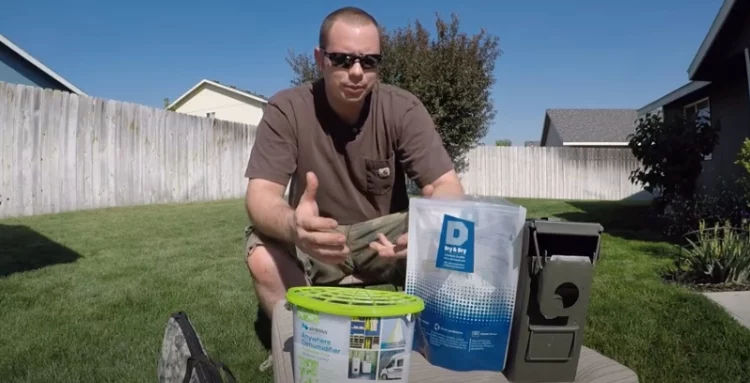
Experts recommend maintaining relative humidity inside a gun safe between 30% and 50%. Above 50%, corrosion accelerates rapidly. Below 30%, wooden grips and stocks dry out and crack. That narrow window is exactly why passive measures alone — tossing in a single silica packet and forgetting about it — fail most gun owners within weeks. You need a layered, active approach.
The good news is that protecting your safe from moisture isn't complicated or expensive. Most effective solutions cost under $50, and the right combination of habits and tools will safeguard your firearms for years. This guide covers real-world damage examples, solution comparisons, a full cost breakdown, and the maintenance routines that make moisture control automatic.
Contents
- What Moisture Actually Does Inside Your Safe
- Starter Solutions vs. Advanced Dehumidification
- Building a Long-Term Moisture Control Strategy
- When to Dehumidify — and When to Leave It Alone
- Method-by-Method Breakdown
- The True Cost of Moisture Protection
- Routines That Keep Moisture Out of Your Gun Safe Long-Term
- Frequently Asked Questions
- Next Steps
What Moisture Actually Does Inside Your Safe
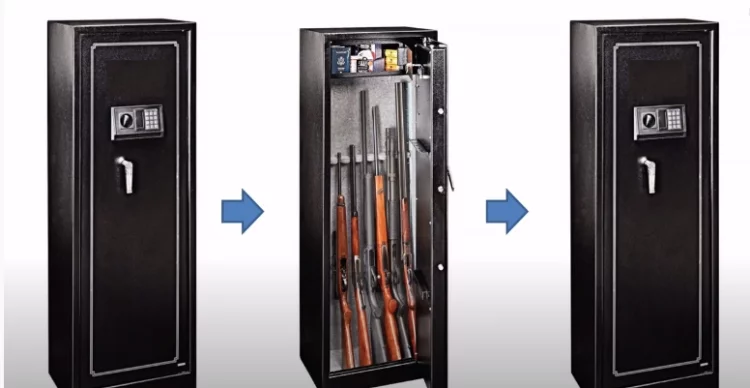
Most people picture surface rust when they think about moisture and guns. Rust is just the beginning. The real damage builds quietly over weeks and months — and by the time you notice it, parts of your firearm may already be beyond easy repair.
The Corrosion Timeline
Surface rust on a blued or parkerized finish can begin forming in as little as 24 to 48 hours at 70% relative humidity or higher. At 80% humidity, pitting corrosion — the kind that permanently scars metal — can start within a week. A gun stored in an unconditioned basement during summer, where humidity regularly hits 75–85%, is in serious danger every single day.
Real-world examples are consistent: firearms stored in safes against exterior walls in humid climates frequently show orange streaks on barrels and actions within a single season. Lever-action rifles and shotguns with exposed steel are especially vulnerable. Even stainless steel isn't immune — it resists rust longer, but sustained moisture exposure still causes corrosion over time.
What Gets Damaged Beyond Metal
- Wooden stocks and grips — absorb moisture, swell, and eventually crack or warp permanently
- Ammunition — primer degradation reduces reliability; swollen cartridges fail to chamber cleanly
- Gun oil and grease — moisture displaces lubricants and accelerates oxidation at every friction point
- Optics and scopes — internal fogging and seal failure become common above 60% humidity
- Safe lining — fabric liners trap moisture against gun surfaces, worsening the problem they're meant to prevent
According to Wikipedia's overview of corrosion, electrochemical reactions that cause metal oxidation accelerate significantly in the presence of moisture and electrolytes — making humid, enclosed spaces like gun safes ideal corrosion environments. Understanding this is the first step toward preventing it.
Starter Solutions vs. Advanced Dehumidification
Not every gun owner needs an expensive plug-in dehumidifier. The right solution depends on your safe size, your local climate, and how many firearms you're protecting. Start with what fits your situation — but don't stay passive.
Options for First-Time Gun Safe Owners
If you've just picked up your first pistol safe or nightstand gun safe, these entry-level solutions are the right starting point. They're affordable, require no installation, and work well for smaller, less frequently opened safes.
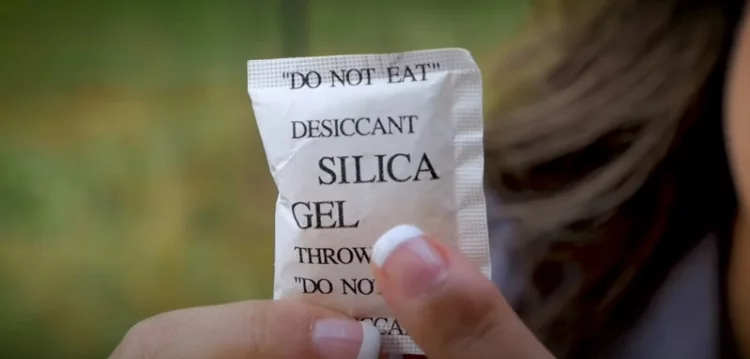
- Silica gel packets — absorb ambient moisture and cost almost nothing. Recharge by heating in an oven at 250°F for one to two hours. Replace or recharge every four to six weeks in humid climates.
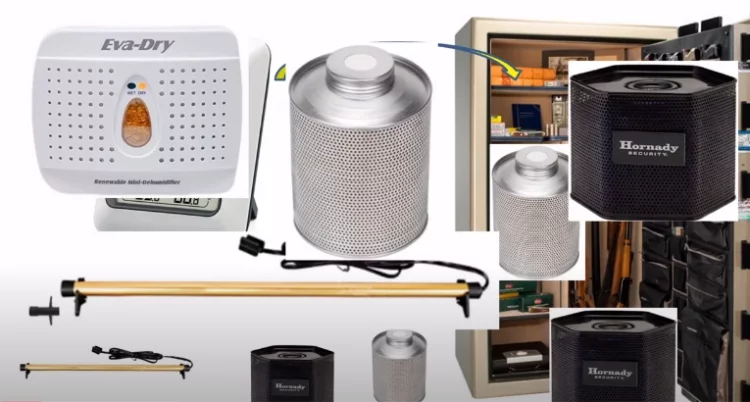
- Rechargeable desiccant canisters — larger capacity than packets; the color-change indicator tells you exactly when they're saturated. Brands like Eva-Dry are widely trusted for their reliability.
- Dried rice — a genuine emergency stopgap, not a long-term plan. Rice absorbs some moisture but loses effectiveness quickly and provides zero feedback on actual humidity levels.

Advanced Systems for Serious Collectors
If you own a long gun safe packed with rifles, or you store firearms in a high-humidity climate like the Gulf Coast or Pacific Northwest, passive desiccants won't cut it. You need active solutions that work continuously.
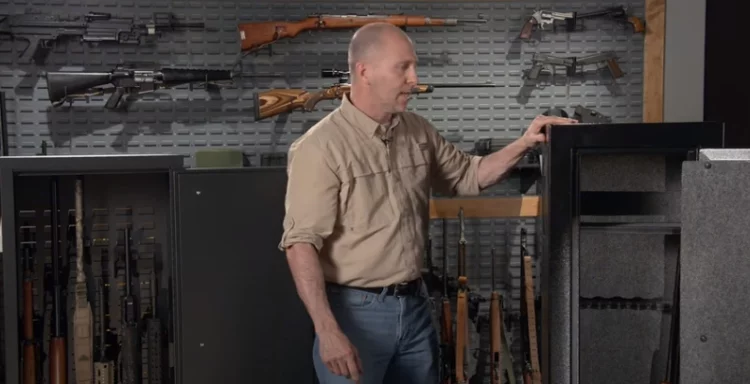
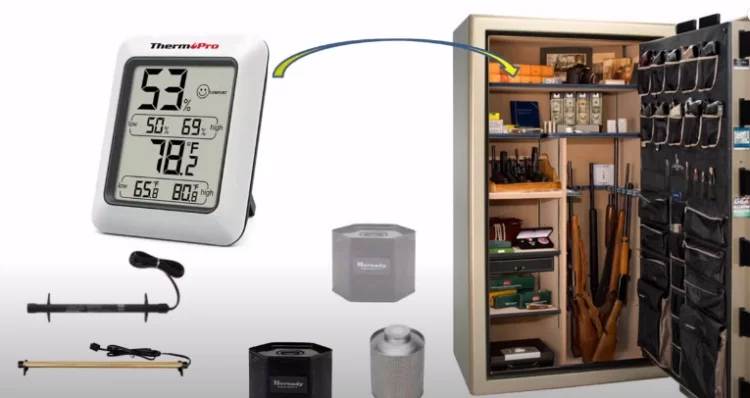
- Electric dehumidifier rods (Golden Rod style) — plug into a wall outlet through the safe's pre-drilled knockout hole, warm the interior air by a few degrees, and prevent condensation entirely. They draw 15–25 watts continuously and are the most reliable long-term solution for large safes.
- Thermoelectric (Peltier) dehumidifiers — compact units that condense moisture onto a cold plate. More effective than desiccants in sealed environments; they need either a drainage path or a collection tray.
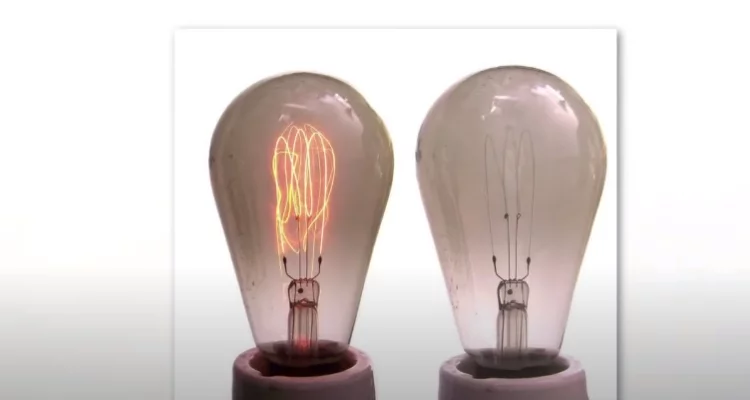
- Mini incandescent bulbs — a budget alternative to dehumidifier rods. A 25W bulb wired inside a safe raises internal temperature slightly, discouraging condensation. Less precise than rods, but functional for medium-sized safes on a tight budget.
Building a Long-Term Moisture Control Strategy
A single product won't protect your safe indefinitely. Long-term moisture control requires multiple layers working together — placement, active dehumidification, and consistent monitoring. Each layer compensates for the gaps in the others.
Layering Your Defenses
Placement is the foundation. Interior walls stay drier than exterior walls. Elevated positions stay drier than basement floors. Before you bolt a safe down permanently, read up on the best location for a gun safe — a poor placement choice forces every other solution to work harder than necessary.
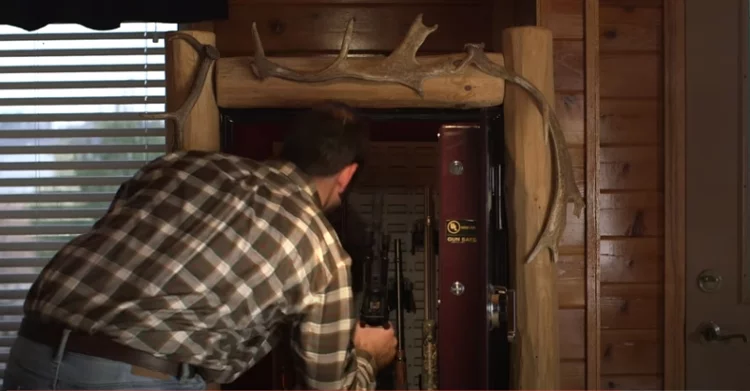
Some owners take it further with a dedicated climate-controlled room. If that's your direction, our guide on how to build a gun safe room walks through everything — a properly conditioned room delivers humidity control that no single dehumidifier can match.
For most owners, the right stack looks like this:
- Electric dehumidifier rod as your primary active control
- Desiccant canister for backup during power outages or humidity spikes
- Light coat of rust-preventive oil on all firearms (CLP, Ballistol, or similar)
- Safe positioned away from HVAC vents that push warm, moist air into the space
Monitoring Humidity Year-Round
You can't manage what you don't measure. A digital hygrometer costs $10–$20 and belongs inside every gun safe. Models with a min/max memory function let you catch humidity spikes you'd otherwise miss entirely. Check it every time you open the safe. If you see readings above 50%, act immediately — don't wait to see if levels drop on their own.
Storing the safe in an air-conditioned room is one of the most effective passive strategies available. Air conditioning removes moisture from indoor air as a byproduct of cooling — which is exactly the environment your firearms need.
When to Dehumidify — and When to Leave It Alone
More dehumidification isn't always better. There's a threshold in both directions, and knowing the difference keeps you from solving one problem while quietly creating another.
Signs You Have a Moisture Problem
- Orange or brown streaks on barrels, slides, or receivers
- A musty smell when you open the safe door
- Visible condensation on interior metal surfaces or the safe's walls
- Your hygrometer reads consistently above 50%
- Ammunition cartridges feel swollen or are difficult to seat in a magazine
Pro tip: If you open your safe and catch a musty smell before any visible rust appears, you're in the best possible position — act immediately with a dehumidifier rod and wipe every firearm down with rust-preventive oil before the corrosion process starts.
When Over-Drying Becomes the Problem
If your hygrometer consistently reads below 30%, you've gone too far. Extremely dry conditions cause wooden stocks to crack, grip panels to loosen, and polymer frames to develop micro-fractures over many years. Don't run a high-capacity dehumidifier in a small safe without monitoring it. Size your solution to your safe's interior volume — a 10-cubic-foot safe doesn't need a 40-watt industrial rod running around the clock.
Method-by-Method Breakdown
Every moisture control method has trade-offs. This comparison covers the most common options so you can match the right tool to your specific situation.
Side-by-Side Comparison
| Method | Pros | Cons | Best For |
|---|---|---|---|
| Silica Gel Packets | Cheap, no power needed, portable | Limited capacity, frequent recharging needed | Small safes, low-humidity climates |
| Rechargeable Desiccant Canister | Reusable, color-change indicator, no power | Still passive; capacity limits in large safes | Medium safes, moderate humidity |
| Electric Dehumidifier Rod | Set-and-forget, highly reliable, low wattage | Needs power access and knockout hole in safe | Large safes, humid climates |
| Thermoelectric Dehumidifier | Active condensation removal, compact | More expensive, needs drainage solution | Sealed safes, high-humidity environments |
| Incandescent Bulb | Inexpensive, readily available | No humidity feedback, requires careful installation | Budget DIY setups in medium safes |
| Room Air Conditioning | Conditions entire space, benefits all contents | Higher energy cost, not targeted to safe interior | Dedicated gun rooms, large collections |
The True Cost of Moisture Protection
Budget shouldn't be a barrier to protecting your firearms. There are effective solutions at every price point — and even the most affordable options beat doing nothing by a wide margin.
Budget Options (Under $30)
- Silica gel multi-packs — $5–$15. Rechargeable in a standard oven. A solid starting point for any safe.
- Eva-Dry E-333 desiccant canister — approximately $20. Covers safes up to 333 cubic feet, recharges without removing individual beads. A reliable entry-level choice.
- Digital hygrometer — $10–$20. Required regardless of which solution you use. Don't skip this.
Mid-Range Solutions ($30–$100)
- Golden Rod dehumidifier rods — $25–$60 depending on length. The 18" rod handles most full-size gun safes. Plug-in simplicity with decades of proven reliability.
- Eva-Dry E-500 — $40–$80. Larger capacity than the budget tier; better suited to bigger safes or high-humidity climates where desiccant alone is marginal.
Premium Systems ($100+)
- Thermoelectric dehumidifiers (BARSKA or similar) — $100–$150. Active condensation removal for large sealed safes; a genuine upgrade over passive desiccants in coastal or southern climates.
- Mini-split AC for a dedicated gun room — $600–$1,500 installed. If you've built out a dedicated storage space, a mini-split delivers professional-grade climate control. For serious collectors, the cost is justified by what it protects.
For most gun owners with one or two standard safes, a Golden Rod rod plus a rechargeable desiccant canister runs under $80 total — and that combination handles humidity reliably in the majority of climates without any ongoing cost.
Routines That Keep Moisture Out of Your Gun Safe Long-Term
The best dehumidification setup still fails without regular attention. Build these habits and moisture protection becomes automatic — something you do without thinking every time you open the safe.
Monthly Checks
- Read your hygrometer every time you access the safe — log it monthly if your safe sees infrequent use
- Inspect desiccant canisters for color change indicating saturation; recharge immediately when needed
- Wipe down every firearm with a lightly oiled cloth — this takes two minutes and stops surface oxidation before it starts
- Confirm your dehumidifier rod is still plugged in and warm to the touch
Seasonal Deep Maintenance
Twice a year — at the start of summer and winter — do a thorough review of everything in and around the safe:
- Remove all firearms and inspect each one for early rust or finish changes before returning them
- Wipe down the safe interior, paying close attention to corners and the liner where moisture pools
- Recharge or replace all desiccant materials, even if the indicator hasn't fully changed color
- Check the seal around the safe door — a degraded gasket lets humid air in continuously, defeating every solution inside
- Reapply rust-preventive oil to all metal surfaces before returning firearms to the safe
Also revisit your safe's position during seasonal reviews. If you've added firearms and the safe now sits on a basement floor, your moisture risk profile has changed. Our guide on how much a gun safe weighs can help you think through whether repositioning is feasible with your current setup.
Frequently Asked Questions
What is the ideal humidity level inside a gun safe?
The ideal relative humidity inside a gun safe is between 30% and 50%. Levels above 50% accelerate corrosion on metal surfaces, while levels below 30% can dry out and crack wooden stocks and grip panels. A digital hygrometer placed inside the safe gives you real-time readings so you can stay in that protective range year-round.
How often should I recharge or replace silica gel in my gun safe?
In moderate climates, recharge silica gel every four to six weeks by heating it in an oven at 250°F for one to two hours. In humid climates or during summer months, check and recharge every two to three weeks. Most rechargeable canisters remain effective for several years before the desiccant material itself needs replacing.
Do I need electricity to keep moisture out of a gun safe?
No — passive desiccants like silica gel canisters and rechargeable dehumidifiers work without any power source. However, electric dehumidifier rods provide more consistent, hands-off protection in large safes or humid environments. If your safe has a pre-drilled knockout hole and sits near an outlet, an electric rod is worth the small continuous power draw.
Can I use a regular room dehumidifier near my gun safe?
Yes, and it helps. Running a room dehumidifier in the same space as your safe — especially in a basement or storage room — reduces ambient humidity and benefits everything stored there. However, it doesn't control the microclimate inside the safe itself. For the best protection, pair a room dehumidifier with an in-safe solution.
Does rust inside a gun safe mean the firearm is ruined?
Not necessarily. Surface rust caught early can often be removed with fine steel wool, a rust solvent, and thorough re-oiling. Deep pitting corrosion is harder to reverse and may require a gunsmith's evaluation. The key is catching it early — which is exactly why a hygrometer and regular inspections are essential, not optional habits.
Is a basement always a bad location for a gun safe when it comes to humidity?
Basements present higher humidity challenges, but the risk is entirely manageable with the right setup. Use an electric dehumidifier rod inside the safe, run a room dehumidifier in the space, and monitor your hygrometer regularly. Position the safe against an interior wall and off the concrete floor if possible. With active moisture control, a basement can be a secure and practical storage location.
Next Steps
- Buy a digital hygrometer today and place it inside your safe immediately — you need a baseline reading before you can make any informed decision about what solution to use.
- Add a rechargeable desiccant canister or electric dehumidifier rod based on your safe's size — desiccant for small safes, a Golden Rod for anything larger than 10 cubic feet or in a humid climate.
- Review your safe's placement using the best location for a gun safe guide — confirm it's not against an exterior wall or sitting directly on a concrete basement floor without a moisture barrier underneath.
- Inspect every firearm in your safe this week — remove them one by one, wipe each with a lightly oiled cloth, and check for any early signs of rust or finish discoloration you may have missed.
- Set a recurring monthly calendar reminder to check your hygrometer and desiccant — moisture control only works if you actually monitor it. Sixty seconds every four weeks prevents hours of cleanup and hundreds of dollars in restoration costs later.


About Robert Fox
Robert Fox spent ten years teaching self-defence in Miami before transitioning into home security consulting and writing — a background that gives him an unusually practical, threat-aware perspective on residential security. His experience spans physical security assessment, lock and alarm system evaluation, and the behavioral habits that make homes harder targets. At YourHomeSecurityWatch, he covers home security product reviews, background check and criminal records resources, and practical guides on protecting your property and family.
You can Get FREE Gifts. Furthermore, Free Items here. Disable Ad Blocker to receive them all.
Once done, hit anything below