The most effective apartment security tips for renters require no drilling, no landlord permission, and often cost less than a dinner out. Most break-ins happen through the front door or a ground-floor window — and both of those can be reinforced today with portable, renter-approved tools. If you want a complete overview of your options, start with our apartment security guide for renters. This post goes deeper: you'll learn exactly when to act, which tools to buy, what everything costs, and what trade-offs come with renting rather than owning.

Renters face a specific challenge that homeowners don't. You can't always replace locks, drill camera mounts into brick, or hardwire an alarm system without written approval. But here's the truth — the data on residential burglaries shows that opportunistic intruders target weak entry points, not stubborn ones. Reinforce your doors and windows, add a visible camera, and you're already a harder target than the vast majority of units in your building. You don't need to own the place to secure it.
Whether you're moving into your first apartment or you've been renting for years and want to close some gaps, these apartment security tips for renters cover every layer — physical, digital, and social. Every suggestion here is practical, portable, and designed to work within a renter's real constraints.
Contents
- Know When Your Apartment Security Needs an Upgrade
- The Right Tools and Equipment for Apartment Security
- Apartment Security on a Budget: Breaking Down the Real Costs
- First-Timer vs. Seasoned Renter: What Your Setup Should Look Like
- Real-World Scenarios That Show Why These Tips Matter
- Side-by-Side: Renter-Friendly Security Options Compared
- The Honest Trade-Offs of Apartment Security for Renters
- Frequently Asked Questions
- Key Takeaways
Know When Your Apartment Security Needs an Upgrade (And When It Doesn't)
Not every apartment needs a full security overhaul. Some setups are already doing a reasonable job, and adding more gear on top won't make a meaningful difference. But other situations have obvious, urgent gaps that need fixing now. Knowing which category you're in saves you time and money.
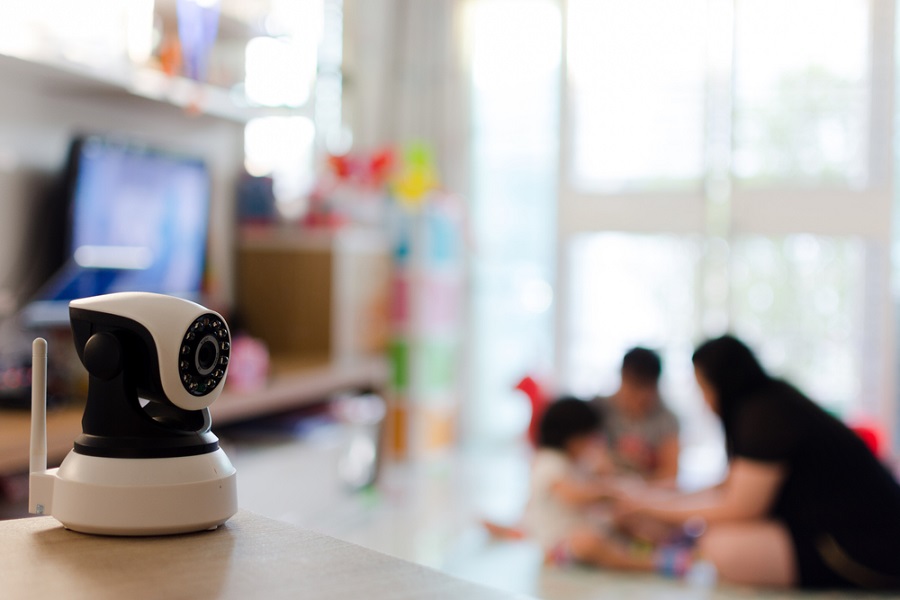
Signs Your Current Setup Is Already Solid
Your apartment is in decent shape if most of the following are true:
- Your building has a key-fob or intercom-controlled entry — no walk-ins off the street
- Your door has a solid deadbolt (not just a spring knob lock) with a reinforced strike plate
- You're on the third floor or higher with no accessible fire escape or shared balcony
- Your building has working exterior lighting and at least one visible security camera in the lobby
- You know your immediate neighbors by name and they're engaged with the building community
If you can check most of those boxes, your biggest security gains will come from habits — not hardware. Locking your door every single time you leave, not propping shared entry doors open, and not broadcasting your location on social media while you're away will do more than any gadget you can buy.
Red Flags That Demand Immediate Action
Act right away if any of these describe your situation:
- You moved in and never received confirmation that locks were rekeyed — the previous tenant's keys still work
- Your unit is on the ground floor with windows or a sliding door facing a street, alley, or parking lot
- Your door lock wiggles, feels loose, or the deadbolt doesn't fully extend
- Your building's front entry has no intercom, no cameras, and no access control beyond a standard key
- There's a recent history of package theft, vandalism, or break-ins reported in your building or neighborhood
These are concrete vulnerabilities, not theoretical ones. According to the FBI's Uniform Crime Reporting program, residential burglaries are consistently among the most common property crimes in the country, with the vast majority occurring through forced or unlocked entry points that could have been reinforced. Renters who address these weak spots proactively cut their risk significantly.
The Right Tools and Equipment for Apartment Security
The security tools market has changed dramatically in favor of renters. Most of the best products today are wireless, battery-powered, adhesive-mounted, and fully portable. You don't need to own a stud finder or own a drill to build a solid layered system.
Door and Lock Security
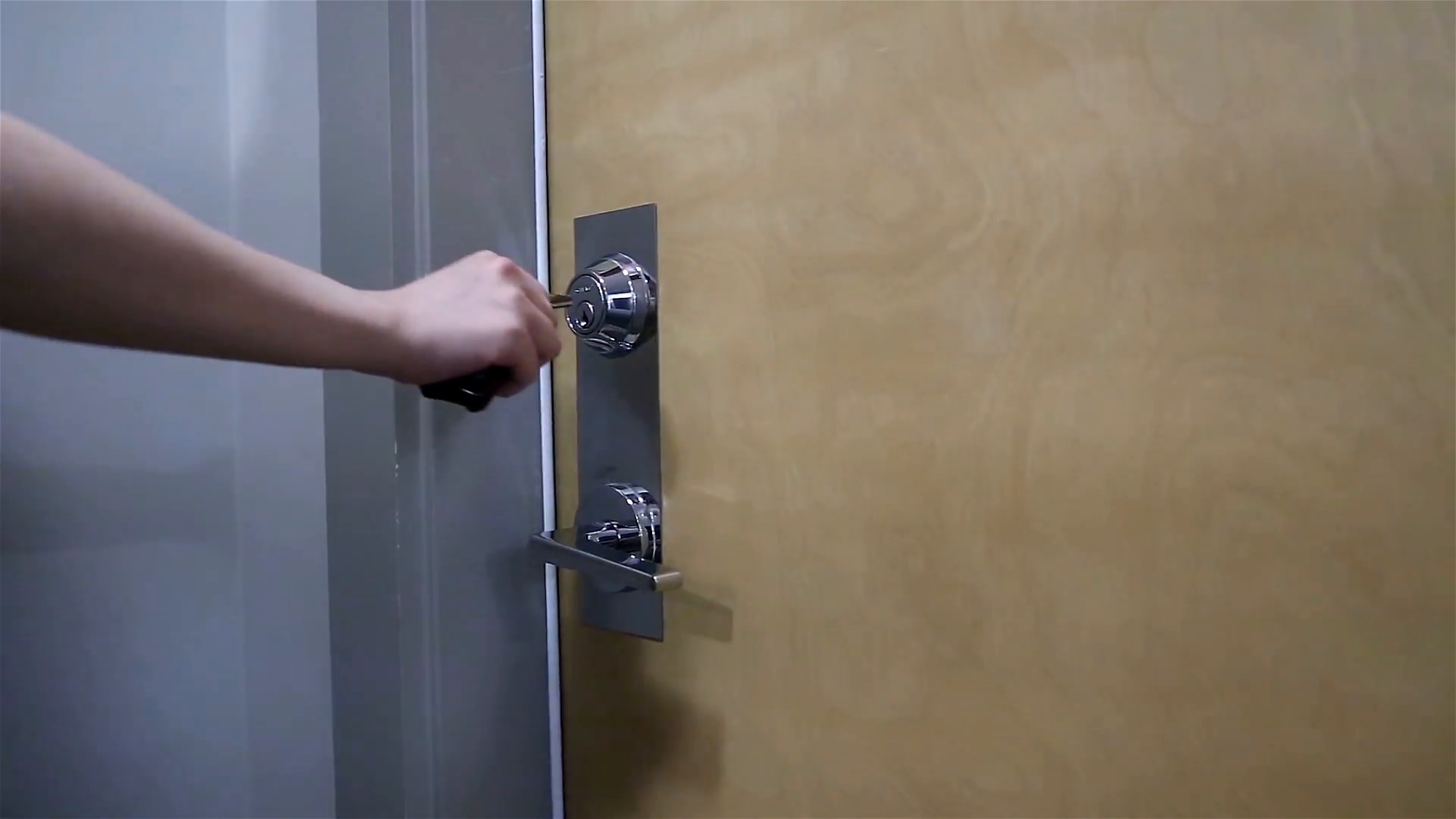
Your front door is your single most important line of defense. Standard apartment doors come with a keyed knob lock and a basic deadbolt — and while a deadbolt is better than nothing, the strike plate (the metal piece screwed into the door frame that the bolt slides into) is often attached with half-inch screws that give way under a single kick. Upgrading the strike plate with 3-inch screws is the highest-return security investment any renter can make. It costs under $5 and takes fifteen minutes.
- Portable door bar / door jammer — wedges under the handle, works on any inward-swinging door, zero installation required
- Door reinforcement kit — replaces the flimsy factory strike plate with a heavy-gauge steel version secured by 3-inch screws that reach the stud
- Smart lock (renter-friendly model) — many replace only the interior hardware, leaving the exterior cylinder untouched, so landlords rarely object
- Security door chain or bar — adds a secondary layer when you're home that prevents the door from opening fully even if someone has a key

Window Security
Windows — especially ground-floor windows and sliding glass doors — are a favorite entry point for intruders. Most apartment window locks are flimsy latches that can be forced in seconds. Reinforcing them is cheap, reversible, and takes no special skills.
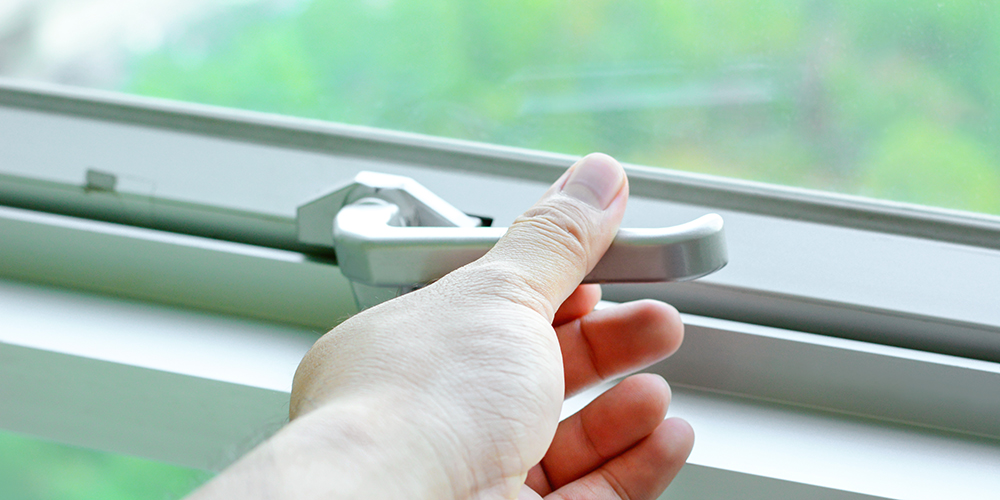
- Window pins — drill a downward-angled hole through both sashes and drop in a nail or bolt; costs $2 and physically prevents the window from sliding open
- Window stop locks — clip-on devices that let you crack a window for airflow while preventing it from opening wide enough to climb through
- Window and door contact alarms — magnetic sensors that trigger a piercing alarm when the window opens; fully battery-powered, no wiring, attach with adhesive tape
- Sliding glass door bar — a cut-to-fit metal or wooden rod in the track stops the door from sliding even when the latch is defeated
Pro tip: A sliding glass door that's "locked" can still be lifted off its track and removed entirely. Drop a short screw or pin into the top track to prevent lift-off — it's a vulnerability that most renters never think to close.
Security Cameras and Lighting
Cameras and lighting work together. Cameras document what happens. Lighting removes the cover of darkness that makes camera footage valuable in the first place. Together, they make your unit a dramatically less attractive target.
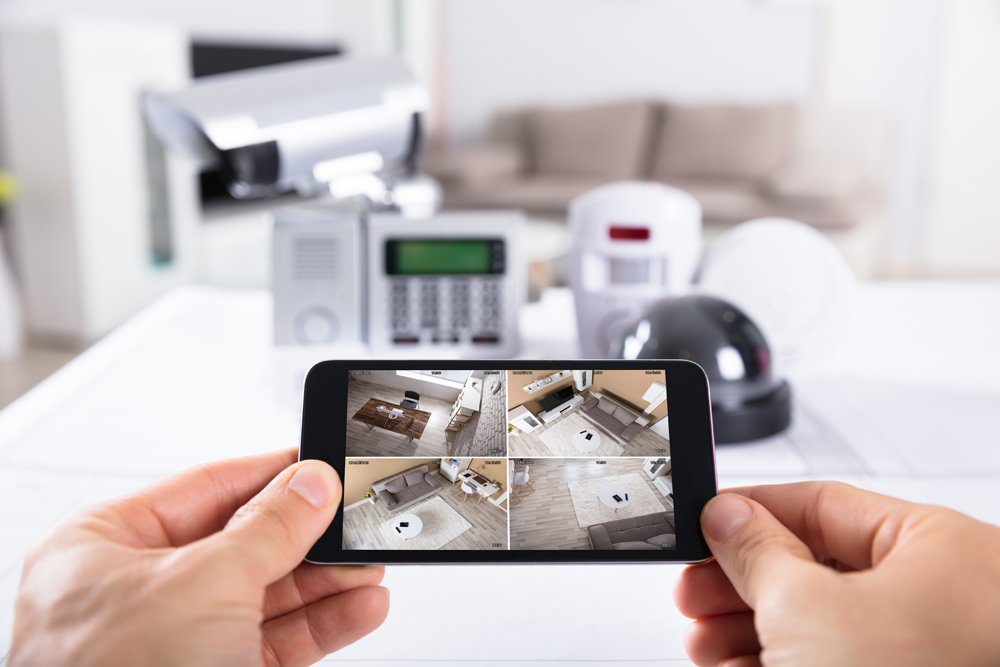
Battery-powered cameras with adhesive or magnetic mounts are the gold standard for renters. Place one facing your front door — either inside your unit angled toward the entrance, or a doorbell camera if the building layout allows. A visible camera is a deterrent before it's ever a recording device. Most opportunistic intruders skip units they know are being watched.
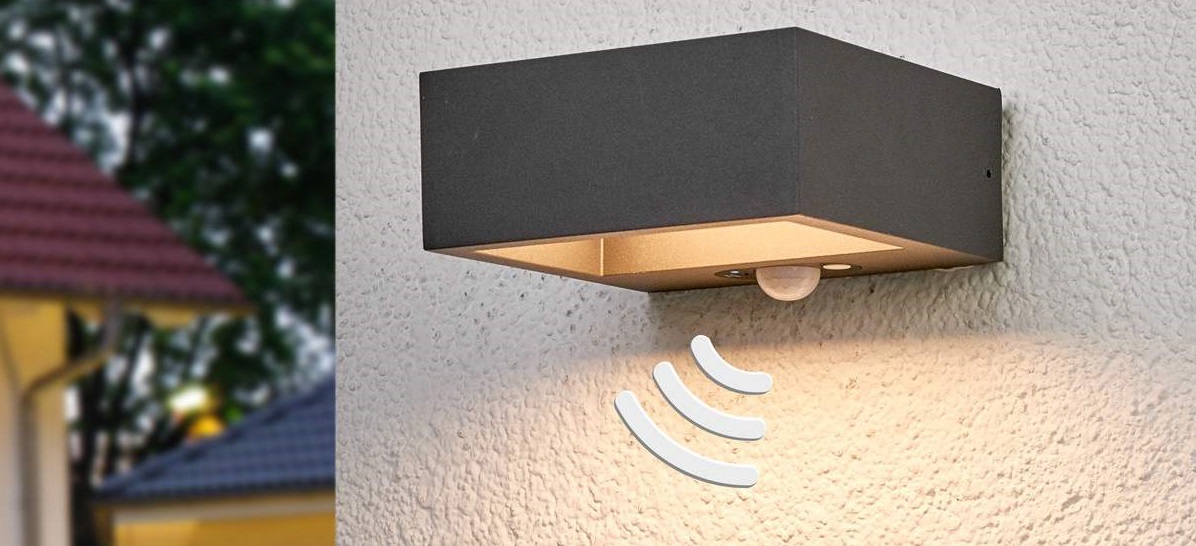
For outdoor areas — patios, balconies, ground-floor windows — motion-sensor lights are equally important. Bright, sudden light eliminates the concealment that makes a target exploitable. Many plug into standard outdoor outlets and require no permanent installation at all.
Apartment Security on a Budget: Breaking Down the Real Costs
The biggest myth in home security is that real protection costs a lot of money. The highest-impact apartment security tips for renters are either free or under $50. Here's a realistic breakdown of what different levels of protection actually run.
Free and Low-Cost Wins
Start here before you spend a single dollar on hardware:
- Lock your door every time you leave — this alone stops a shocking number of break-ins
- Don't post your location on social media in real time while you're traveling
- Ask your landlord in writing to rekey the locks before your move-in date
- Cut a wooden dowel rod to fit your window and sliding door tracks — costs $3 at any hardware store
- Introduce yourself to your immediate neighbors — a watchful neighbor is more reliable than most alarm systems
- Keep your entry area well-lit by requesting your landlord replace burned-out bulbs in the hallway promptly
Mid-Range Investments Worth Making
| Security Upgrade | Estimated Cost | Renter-Friendly? | Impact Level |
|---|---|---|---|
| Door reinforcement kit (heavy-gauge strike plate) | $20–$50 | Yes (reversible) | High |
| Portable door bar / jammer | $25–$50 | Yes (no installation) | High |
| Window contact alarm sensors (set of 4) | $15–$35 | Yes (adhesive) | Medium–High |
| Window stop locks (set of 4) | $10–$20 | Yes (clip-on) | Medium |
| Battery-powered security camera | $40–$120 | Yes (adhesive/magnetic mount) | High |
| Smart lock (renter-friendly keypad model) | $80–$200 | Yes (interior hardware only) | High |
| Portable fireproof safe for documents and valuables | $30–$80 | Yes (freestanding) | Medium |
| Plug-in motion-sensor light (indoor/outdoor) | $15–$40 | Yes (plug-in) | Medium |
A solid starter kit — door reinforcement, window pins and alarms, and one battery camera — runs about $100 to $150 total. That's a one-time investment that moves with you every time you change apartments. Nothing on this list is wasted money.
First-Timer vs. Seasoned Renter: What Your Security Setup Should Look Like
Where you are in your renting journey shapes what you need. A brand-new renter should focus on getting the essentials right before anything else. A long-term renter who's already covered the basics can layer on more sophisticated solutions that make daily life more convenient and more secure at the same time.
If You Just Moved In
Do these five things before your first full week is up:
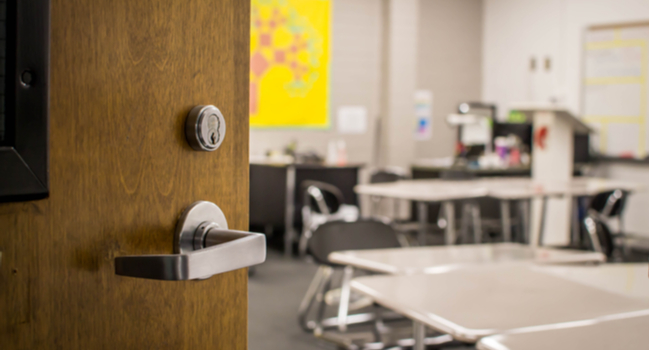
- Request a lock rekey in writing the day you get the keys — if your landlord won't arrange it, ask permission to pay a locksmith yourself; most leases allow this
- Install window pins in every ground-floor or accessible window before your first night
- Set up a portable door bar — it takes thirty seconds and provides instant peace of mind while you sleep
- Walk the building and identify all the entry and exit points, camera locations, and any spots with poor lighting — understanding your environment is the foundation of everything else
- Photograph the door hardware and all existing damage before you unpack, both to document your security baseline and to protect your deposit when you leave
If You've Been Renting for Years
If your entry points are already reinforced and you have at least one camera in place, here's where to go next:
- Upgrade to a smart lock — you get remote locking, entry logs, and no risk of a copied key circulating among people you've forgotten about
- Add a multi-camera setup with cloud backup so footage is preserved even if a device is stolen or damaged
- Install a cellular-based wireless alarm system — several renter-designed systems require zero drilling and use cellular backup so they work even when your internet goes down
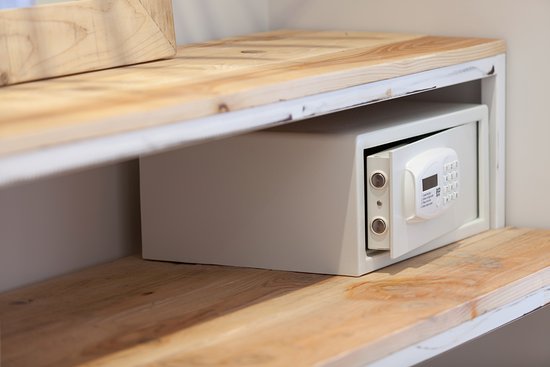
- Secure your valuables inside a small fireproof safe — cable-lock it to a pipe or heavy furniture if wall-bolting isn't allowed under your lease
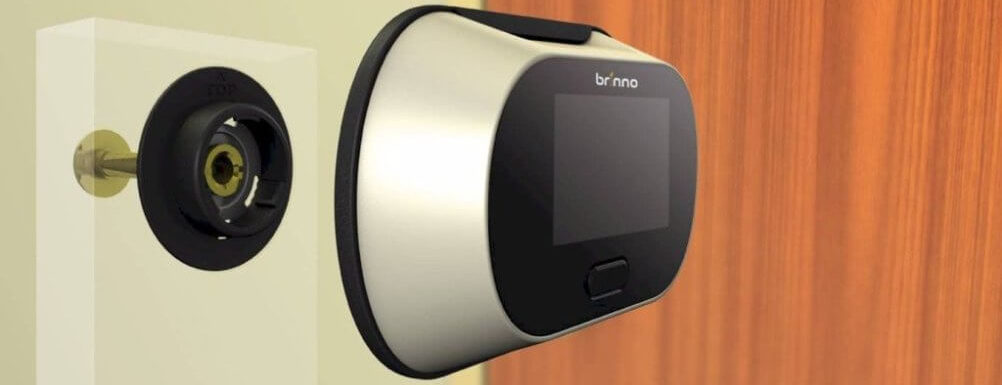
- Set up a video doorbell or peephole camera on your unit door — especially useful if you live in a building with shared hallways where you can't see who's knocking before you answer
Real-World Scenarios That Show Why These Tips Matter
Theory is one thing. Seeing exactly how vulnerabilities play out in real apartment situations makes the risks concrete and the solutions obvious. Here are two of the most common scenarios renters face.
The Ground-Floor Problem
Ground-floor units are the most targeted apartments in any building. They offer easy access from the street, multiple potential entry points including windows and patios, and low visibility from upper floors. If you're in a ground-floor unit, the apartment security tips for renters that matter most are window reinforcement, exterior lighting, and at least one visible camera covering any exterior access point.
A classic scenario: a sliding glass door that's latched but not barred gets forced open. The built-in latch on a sliding glass door is designed to keep the door closed in wind — not to resist a determined person. It resists lateral pressure but does nothing against lifting. A $5 bar in the bottom track and a pin in the top rail would have stopped the entry entirely. This is a five-minute fix that most renters never make.

The Shared Entry Challenge
In most apartment buildings, your personal security is only as strong as the building's entry security. Tailgating — where someone follows a legitimate resident through a secured entry door without badging in — is one of the most consistent ways unauthorized people get into buildings. No amount of hardware on your individual unit door compensates for an unsecured building entrance.
The most effective solution here is community-based. Building a relationship with your neighbors creates a human security layer that no camera can replicate. A hallway where people know each other is a hallway where strangers get noticed. This isn't soft advice — it's the core principle behind programs like Neighborhood Watch, which have measurable impacts on property crime rates in participating communities.

Also watch what you share digitally. One of the most overlooked apartment security vulnerabilities is social media — posting vacation photos and check-ins in real time announces to anyone watching that your unit is empty and unsupervised for a defined window of time.
Side-by-Side: Renter-Friendly Security Options Compared
With so many products on the market, a direct comparison helps you prioritize. The table below measures the most popular renter-friendly options against the factors that matter most: how quickly you can set them up, whether you can take them with you, and how much real protection they deliver.
| Product Type | Setup Time | Portability | Effectiveness | Best For |
|---|---|---|---|---|
| Door bar / jammer | 0 min | High | High | All renters — first purchase |
| Window pin / dowel rod | 5 min | High | Medium–High | Ground-floor and accessible units |
| Window contact alarm sensor | 5 min | High | Medium–High | All units, especially when sleeping |
| Battery-powered security camera | 10–20 min | High | High | All renters |
| Smart lock (renter model) | 20–30 min | Medium | High | Frequent travelers, shared units |
| Wireless alarm system (cellular) | 30–60 min | Medium | High | High-risk buildings, long trips |
| Peephole camera | 15–30 min | Medium | Medium | Shared hallways, package security |

Don't overlook your digital perimeter either. Smart security devices — cameras, locks, doorbells — all connect to your home Wi-Fi, which becomes a real attack surface if it's misconfigured. Securing your home network with a strong password, WPA3 encryption, and a separate guest network for smart devices closes a vulnerability that most people leave wide open.
The Honest Trade-Offs of Apartment Security for Renters
Renting comes with genuine security advantages and genuine limitations. Understanding both sides helps you make smart decisions and avoid spending money where it won't help.
What Works in Your Favor as a Renter
- Shared responsibility with your landlord — in most states, landlords are legally required to maintain secure common areas, exterior lighting, and functioning entry locks
- Apartment buildings naturally have more "eyes on the street" than isolated single-family homes — density works in your favor
- Upper-floor units enjoy a natural security advantage that homeowners can't replicate without significant investment
- If your building becomes unsafe or poorly managed, you can move — homeowners are stuck with their neighborhood
- Every portable security device you buy travels with you to every future apartment — your investment compounds over time

The Limitations You Have to Accept
- You can't replace locks without landlord approval in most standard leases — though rekeying the same lock cylinder is almost always permitted with notice
- You're only responsible for — and in control of — your individual unit; common areas, parking garages, mail rooms, and stairwells are your landlord's responsibility
- Hardwired alarm systems, permanent camera mounts, and reinforced door frames that require drilling typically need written landlord approval
- You can't control who has access to the building's master key — previous tenants, contractors, and maintenance staff may all have had copies at some point
- If your building management is unresponsive to safety concerns, your options are limited — document everything in writing and know your rights under local tenant law
The good news is that the renter-friendly tools and strategies in this guide close almost all of these gaps without any permanent modifications. Review the seven most common home security weak points and you'll find that every one of them has a no-drill, portable solution available today.
Frequently Asked Questions
Can I change my apartment lock without asking my landlord?
In most states, you need landlord permission to replace a lock entirely. However, rekeying — which changes the internal pins so old keys no longer work while leaving the hardware intact — is usually allowed with written notice. Check your lease and local tenant law. A locksmith can rekey a standard deadbolt for $20 to $50, and it's one of the smartest moves you can make when moving into a new unit.
What is the best renter-friendly apartment security system?
Wireless, cellular-monitored systems designed specifically for renters are your best option. Look for systems that use adhesive sensors, require no hardwiring, and include cellular backup so they work even if your internet is cut. Top picks in this category are self-installed, easy to remove when you move out, and don't require a long-term monitoring contract. Pair any system with a door reinforcement kit and window alarms for complete coverage.
How do I secure my apartment windows without drilling?
Several effective options require zero drilling. A cut wooden dowel rod or metal bar placed in the window track physically prevents the window from being slid open — costs about $3. Clip-on window stop locks let you keep the window cracked for air while blocking full opening. Adhesive-backed magnetic window alarms trigger a loud alert the moment the window opens. Use all three on any ground-floor or accessible window for layered protection.
Key Takeaways
- The highest-impact apartment security tips for renters — reinforcing the strike plate, adding a door bar, and pinning windows — cost under $50 and require no drilling or landlord approval.
- Ground-floor units and sliding glass doors are the most common vulnerabilities; barring them takes five minutes and costs almost nothing.
- A visible camera and motion-sensor lighting together deter most opportunistic intruders before a break-in ever happens.
- Knowing your neighbors and managing what you share on social media are free security measures that are just as powerful as any hardware you can buy.


About Robert Fox
Robert Fox spent ten years teaching self-defence in Miami before transitioning into home security consulting and writing — a background that gives him an unusually practical, threat-aware perspective on residential security. His experience spans physical security assessment, lock and alarm system evaluation, and the behavioral habits that make homes harder targets. At YourHomeSecurityWatch, he covers home security product reviews, background check and criminal records resources, and practical guides on protecting your property and family.
You can Get FREE Gifts. Furthermore, Free Items here. Disable Ad Blocker to receive them all.
Once done, hit anything below