According to the FBI, nearly 60% of all home burglaries occur through a door — and most of those involve standard pin tumbler locks that are far more vulnerable than homeowners realize. If you've ever wondered whether knowing how to open a lock with matches is actually feasible, you're about to get a definitive answer. This technique has circulated in survival and locksmithing communities for decades, and understanding it gives you real insight into lock vulnerabilities. Browse our full locks guide for more security resources on this topic.
The short answer: yes, under specific conditions, you can use match heads to open certain pin tumbler padlocks. The technique works by using the sulfur and phosphorus compounds in match heads to lubricate and manipulate the lock pins. But it only works on older or lower-quality locks, and it takes patience. Understanding how this works is as much a security exercise as a practical skill — because if you can open your own lock with a match, a determined intruder already knows this trick too.
This guide walks you through the full process — the history behind it, the step-by-step method, the mistakes that will get you nowhere, and what you should do about your home security once you understand the vulnerability. Let's get into it.
Contents
- The Origins of the Match Trick
- Myths and Misconceptions About Opening Locks with Matches
- How to Open a Lock with Matches: Step-by-Step Instructions
- Tips and Tricks for Better Results
- Mistakes That Ruin the Process
- When the Match Trick Fails: Troubleshooting Guide
- Match Trick vs. Other Emergency Lock-Opening Methods
- Lock Maintenance That Prevents Getting Stuck
- Home Security Best Practices After Learning This
- Frequently Asked Questions
- Final Thoughts
The Origins of the Match Trick
A Technique Born from Necessity
The match trick didn't start as a criminal tactic — it started as a practical workaround in situations where locksmiths were inaccessible. In rural areas and during periods of resource scarcity, people improvised with what they had. Match heads contain sulfur, potassium chlorate, and phosphorus compounds — materials that, when broken down and introduced into a lock cylinder, can act as a crude lubricant and mild abrasive against the pin stack.
The technique is closely tied to the broader world of lock picking, which has existed as a legitimate craft since the first pin tumbler lock was patented in the 19th century. Gunsmiths, locksmiths, and security researchers have long studied how everyday materials interact with lock mechanisms. The match trick is one of the most primitive examples of that curiosity put into practice.
Why It Still Gets Attention
The technique resurfaces online regularly because it's genuinely surprising. Most people assume their padlocks are solid, reliable barriers. Discovering that a box of matches could potentially compromise one is a wake-up call. From a home security standpoint, that's actually a useful perspective — vulnerabilities you don't know about are vulnerabilities you can't fix. Awareness is the first step toward better protection.
Myths and Misconceptions About Opening Locks with Matches
Myth: It Works on All Locks
This is the most common misconception. The match trick only works reliably on older, low-quality pin tumbler padlocks — the kind with loose tolerances and worn internal components. High-security deadbolts, ANSI Grade 1 locks, and bump-proof locks are not susceptible. Modern security hardware is manufactured to tight tolerances that make improvised techniques like this one essentially useless. If your home's deadbolts are quality hardware, you don't need to worry about this specific attack vector.
Myth: It's an Instant Process
Videos online often edit out the reality: this technique requires multiple attempts, careful handling, and the right type of match. Cheap safety matches with sulfur-heavy heads tend to perform better than strike-anywhere varieties. In practice, expect to spend anywhere from 10 to 30 minutes if it works at all — and it frequently doesn't on the first try. Anyone who tells you otherwise is leaving out the part where they failed six times first.
Myth: It Leaves No Trace
The combustion byproducts from match heads leave residue, staining, and debris inside the lock cylinder. In some cases, the sulfur deposits can actually gum up the lock pins and make the lock harder to open, not easier. For your own lock, that's a serious problem. From a forensic standpoint, it also leaves clear evidence that something foreign was forced into the keyway — a fact worth knowing if you're ever documenting tampering.
How to Open a Lock with Matches: Step-by-Step Instructions
Before diving in, understand what you're actually doing here. You're not hacking the lock in any technical sense. You're using match head material to temporarily alter the internal friction of the lock pins, which sometimes allows the cylinder to rotate with less resistance. This is a last-resort method for your own lock when no other options are available — not a shortcut for bypassing security you don't own.
What You Need
- A book of safety matches or a box of wooden matches — safety matches tend to work better due to their sulfur content
- A small pair of pliers or tweezers for handling the match heads safely
- A thin flat tool — a small flat-head screwdriver, a sturdy piece of rigid plastic, or a butter knife
- Patience — this may take multiple attempts and moderate persistence
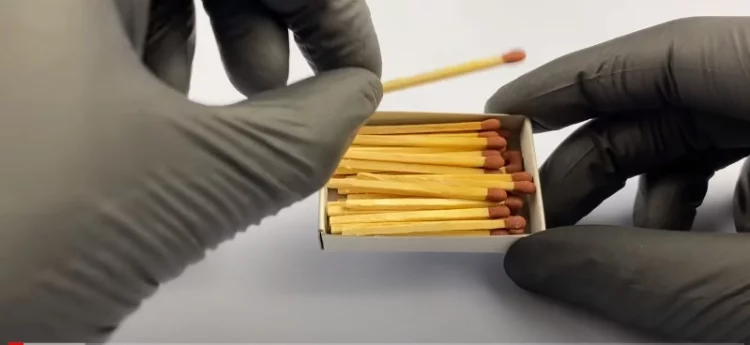
- The lock itself — this technique works on padlocks far more reliably than doorknob locks or installed deadbolts
Preparing the Matches
The preparation phase is where most people make their first mistake. You're not lighting the match and inserting it into the keyway — that would damage the lock and likely fail entirely. Instead, you're extracting the chemical compound from the match head in a controlled way.
Here's how to prepare correctly:
- Take 3–5 matches and hold them together as a bundle
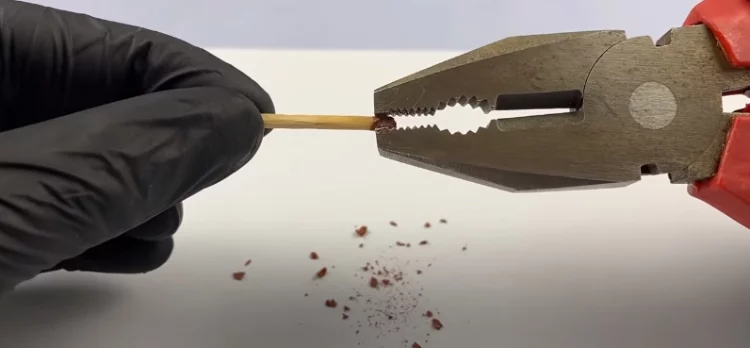
- Using pliers or tweezers, carefully scrape the match heads so the sulfur compound falls off as a fine powder or small particles
- Collect this material — you'll need enough to lightly coat the first inch of the tool you'll use for insertion
- Alternatively, hold the match heads directly over the keyway and scrape downward so material falls into the opening
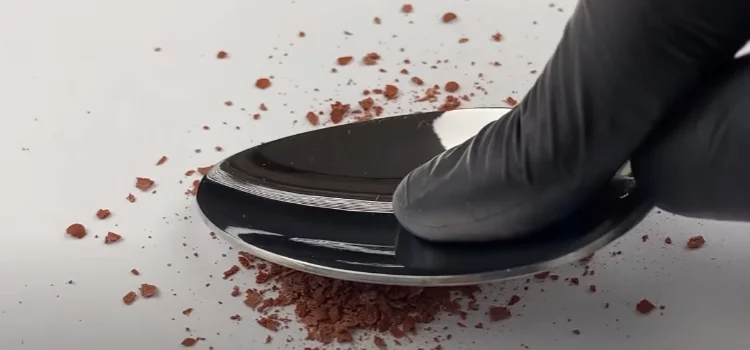
- The finer the powder, the better — crush it between two hard surfaces if needed for even distribution
The Step-by-Step Process
Once your material is prepared, follow these steps carefully. Rushing any one of them reduces your chances of success significantly.
Step 1: Insert match material into the keyway. Using the match stick itself or a thin flat tool, gently push a small amount of match head material into the keyway. Don't force it — you want the material distributed across the pins, not compacted into a plug that blocks the keyway entirely. Think "pinch of salt" quantities.
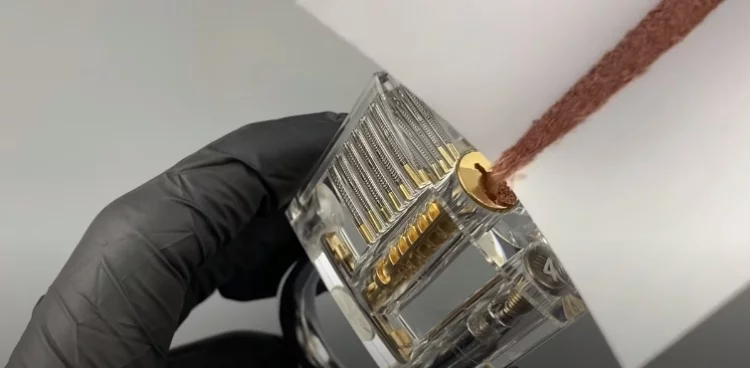
Step 2: Apply rotational pressure. Insert the match stick or thin flat tool into the keyway and apply light, steady rotational pressure in the direction the key would normally turn. This mimics the tension wrench function used in standard lock picking. Don't force it — you're feeling for slight movement in the cylinder.
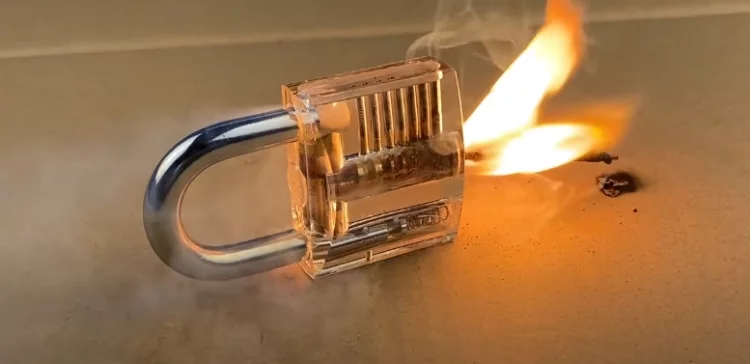
Step 3: Rock the tool gently. While maintaining rotational pressure, rock the tool slightly up and down. This works the match material between the pins. On a loose-toleranced lock, you may feel individual pins shifting under the tool — that's exactly what you want.
Step 4: Try turning the cylinder. After 30–60 seconds of gentle manipulation, apply firmer rotational pressure. If the pins are sufficiently affected by the material, the cylinder may rotate. If not, repeat the process — add a small amount of fresh material and try again. Don't force rotation if there's significant resistance.
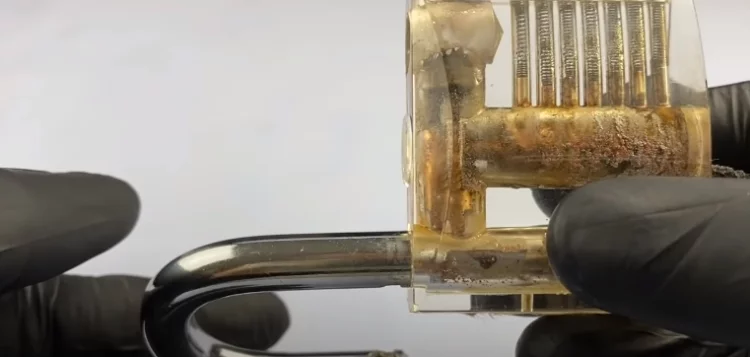
Step 5: Clean the lock afterward. Whether you succeed or not, flush the lock cylinder with compressed air or a PTFE-based lock lubricant spray immediately afterward. Match debris left inside the cylinder accelerates corrosion, degrades the springs, and creates a sticky buildup that affects key operation over time.
Tips and Tricks for Better Results
Choose the Right Lock for This Technique
The match trick has the highest success rate on older brass padlocks, inexpensive imported locks with visible quality issues, and padlocks with a sloppy shackle fit. If the lock body shows rust, if the keyway has noticeable play when a tool is inserted sideways, or if the shackle wobbles under tension, your chances improve meaningfully. Tight, well-made hardware is a non-starter for this method.
Powder Distributes Better Than Chunks
The finer you grind the match head material before inserting it, the better it distributes between the pins. Use two hard surfaces to crush it into a powder before you begin. Larger chunks tend to create a physical obstruction in the keyway rather than lubricating the pin stack. Fine powder reaches the pins — chunks don't.
Temperature Affects Tolerances
Cold metal contracts. If your lock is on an outdoor gate in winter, the internal tolerances tighten even further and this technique becomes significantly less effective. Warming the lock body slightly — with your hands or mild radiant heat — can loosen the mechanism enough to improve your odds. In summer, you'll generally find old padlocks slightly easier to manipulate.
Pro Tip: If you find yourself regularly locked out of a padlock, the real solution isn't learning to open it with matches — it's upgrading to a keyless entry system or keeping a spare key in a secure location. Emergency techniques are for genuine emergencies, not routine inconvenience.
Work the Shackle in Parallel
On padlocks, applying moderate upward tension on the shackle while simultaneously applying rotational pressure to the cylinder creates a binding effect on specific pins — the same principle used in lock picking. This parallel tension sometimes produces better results than rotational pressure alone. Try it if straight rotation isn't producing any movement after several attempts.
Know When to Stop
If the cylinder shows zero movement after four or five serious attempts, stop. You risk packing the keyway with residue that makes the situation worse. At that point, call a locksmith or use bolt cutters if it's your own property. For combination-style locks, our guide on how to open a 4 number combination lock covers a completely different set of techniques that are actually applicable.
Mistakes That Ruin the Process
Lighting the Match Inside the Keyway
This is the most dangerous and counterproductive mistake people make. An open flame inside a lock keyway doesn't lubricate anything — it scorches. The heat warps the internal pins, melts existing lubricants inside the lock, and can permanently fuse components into a single useless mass. You'll end up with a destroyed lock and a potential fire hazard. Never apply an open flame directly to a lock you intend to open.
Using Too Much Material
More isn't better here. Overpacking the keyway with match material physically blocks the keyway and prevents any tool from reaching the pins at all. Use small, controlled amounts — build up gradually across multiple attempts rather than front-loading. A blocked keyway is harder to work with than a clean one.
Applying Too Much Force
This technique requires finesse, not strength. Forcing the cylinder against resistance damages the lock housing and deforms the pins into positions that make the lock impossible to open without full disassembly. Steady, light pressure is your primary tool throughout this entire process. The moment you feel yourself straining, back off.
Skipping the Cleanup
People succeed, open the lock, and then put it back in service without cleaning it. The sulfur residue left inside continues to react with moisture and metal surfaces after the fact. Skipping cleanup turns a temporary fix into a long-term reliability problem. Always flush and re-lubricate before putting the lock back into regular use.
When the Match Trick Fails: Troubleshooting Guide
The Cylinder Won't Turn At All
This usually means one of three things: the lock has security pins (spool or serrated pins used in higher-quality locks), the keyway is too narrow for sufficient material to reach the pin stack, or the lock is simply too well-manufactured for this approach. If the cylinder shows zero movement under firm rotational pressure, accept that this method won't work here and move on to a real locksmith.
The Cylinder Moves But Won't Open
Some movement is a good sign — it confirms you're affecting the pins. The problem is likely that one or two pins are still binding while others have been displaced. Add a small amount of fresh material, focus your rocking motion on the mid-section of the keyway where binding pins are most common, and try again with consistent pressure rather than variable force.
The Key Won't Work Afterward
If you applied too much match material and now your actual key doesn't turn smoothly, flush the lock immediately. Use compressed air first, followed by a graphite or PTFE-based lock spray. If residue has hardened inside the cylinder after sitting for a while, a locksmith can disassemble and clean the mechanism. Avoid WD-40 — it attracts dust and compounds contamination over time rather than resolving it.
The Lock Opened But Now Feels Stiff
Sulfur deposits inside the cylinder cause this. Clean the lock thoroughly as described in Step 5. If stiffness persists after cleaning, the internal spring mechanisms may have been degraded. At that point, replacing the lock is the only practical solution — a stiff lock is an unreliable lock, and an unreliable lock is a security liability.
Match Trick vs. Other Emergency Lock-Opening Methods
When you're locked out, you have several options. Here's how the match trick stacks up against the most common alternatives in real-world use:
| Method | Tools Required | Skill Level | Success Rate | Damage Risk | Time Required |
|---|---|---|---|---|---|
| Match Trick | Matches, thin tool | Low | Low–Medium (old locks only) | Medium | 10–30 min |
| Lock Picking | Pick set + tension wrench | High | Medium–High | Low | 5–15 min |
| Bump Key | Bump key + mallet | Low–Medium | Medium (non-bump-proof locks) | Low–Medium | 1–5 min |
| Shimming | Thin metal shim | Low | Medium (spring shackle locks) | Low | 2–10 min |
| Bolt Cutters | Bolt cutters | None | High (padlocks) | Destroys lock | Under 1 min |
| Locksmith | Phone + payment | None required | Very High | None | 30–90 min |
What the Table Tells You About Your Security
The match trick is genuinely the least reliable option in any situation where alternatives exist. It performs best as a true last resort on low-quality padlocks when you have no other tools or assistance available. The table also reveals something important about bump keys — they represent a more significant vulnerability for most households than the match trick, affecting a wider range of hardware. If bump susceptibility concerns you, see our guide to the best bump proof locks for hardware options that eliminate that attack vector entirely.
Lock Maintenance That Prevents Getting Stuck
Why Locks Seize Up in the First Place
The reason the match trick works at all on certain locks is that those locks are already compromised — by rust, dirt accumulation, dried lubricant, or manufacturing defects that create excessive tolerances. A properly maintained lock doesn't jam. Corrosion on the pins, debris in the keyway, and degraded lubricants are the root causes of most lockout situations that tempt people toward improvised solutions. Prevention is both cheaper and more reliable.
Lubrication Schedule
Lubricate all padlocks and deadbolts at least once a year — more often for locks exposed to outdoor conditions. Use a PTFE-based or graphite lubricant. Spray it directly into the keyway, insert and rotate the key several times to distribute it across the pins, then wipe away any exterior excess. Avoid petroleum-based products like WD-40 for long-term lubrication — they evaporate quickly and attract grime that accelerates wear.
Outdoor Lock Care
Locks exposed to rain, humidity, and temperature swings need more frequent attention than interior hardware. Use a protective cover where practical. Inspect the shackle for rust spots every few months — a lock with surface rust on the shackle almost certainly has internal corrosion affecting pin movement as well. Treating the exterior is not enough; internal corrosion is the actual problem.
When to Replace Rather Than Maintain
If a lock requires heavy force to insert the key, if the shackle binds inconsistently, or if the lock body shows cracks or significant deformation, replace it. The cost of a quality padlock is a fraction of a locksmith call — or the cost of a security breach caused by hardware that failed at a critical moment.
Home Security Best Practices After Learning This
Audit Your Existing Locks
Now that you understand how the match trick works and what types of locks are vulnerable, do a physical audit of your property. Walk your perimeter and test every padlock — give each a firm tug, rotate the shackle under tension, and check for play in the keyway. If any lock moves more than it should or shows corrosion, replace it before someone else discovers the weakness first.
Upgrade Vulnerable Hardware
Any padlock rated below ANSI Grade 2 should be treated as a temporary solution. For outdoor gates, sheds, and utility areas where access would give someone a path to your home or valuables, use at minimum a Grade 1 padlock with a hardened steel shackle and a shrouded body that protects the shackle from bolt cutters. The shroud eliminates shimming as a viable attack at the same time.
Consider Going Keyless for Critical Access Points
Smart locks and electronic keyless deadbolts eliminate the keyway entirely — removing the attack surface that both the match trick and conventional lock picking exploit. For your front door and any access point that matters, keyless entry with strong encryption is a meaningful upgrade over traditional keyed hardware. The convenience benefit is real too: no more lockouts, no hide-a-key risks, and remote access management from anywhere.
Layer Your Security
No single lock is a complete solution. Pair physical lock upgrades with:
- Security cameras covering all entry points and approach paths
- Motion-activated lighting at gates, side entrances, and exterior doors
- Alarm sensors on doors and windows to detect unauthorized opening
- Reinforced strike plates — most residential door frames can be kicked in regardless of deadbolt quality
- Neighborhood awareness — knowing your neighbors remains one of the most statistically effective deterrents against both opportunistic and targeted theft
For a deeper look at what separates genuinely secure hardware from hardware that merely looks secure, our guide on the characteristics of a high quality mechanical deadbolt covers the specifications and certifications that actually matter when you're making a purchasing decision.
Frequently Asked Questions
Can you really open a lock with matches?
Yes — but only under specific conditions. The match trick works on older, lower-quality pin tumbler padlocks with loose tolerances and worn internal components. It does not work reliably on modern, high-security locks, deadbolts, or any lock with security pins. Success rates are low even on vulnerable locks, and the process requires patience, the right material consistency, and multiple attempts.
Is it legal to use the match trick to open a lock?
Legality depends entirely on context. Opening a lock you own is legal everywhere. Attempting to open a lock you don't own — or don't have explicit permission to access — is a criminal offense regardless of the method used. This technique should only ever be applied to your own property, and ideally only when you're locked out with no other options available.
Does the match trick work on combination locks?
No. Combination locks use a completely different internal mechanism — rotating disc cams or shackle-actuated levers rather than spring-loaded pin stacks. Match head material has no effect on that mechanism. For combination lock issues, you'll need a different approach entirely; the pin manipulation logic that underlies the match trick simply doesn't apply.
Will the match trick damage my lock permanently?
It can. Match head residue — sulfur compounds and combustion byproducts — contaminates the pin chambers, causes corrosion over time, and creates a sticky buildup that degrades key operation. Always flush and lubricate the lock thoroughly after attempting this technique. If the lock shows persistent stiffness or rough key insertion after cleaning, replacement is the practical solution.
What's a better option than the match trick in a real lockout?
In order of preference: call a locksmith (most reliable, zero damage risk), use bolt cutters on a padlock you own (destroys the lock but immediately solves the problem), or try shimming if it's a spring-latch padlock. The match trick is a genuine last resort for situations where no other tools or assistance are available. If you're locked out of a keyed deadbolt, call a locksmith — the match trick won't help you there.
How do I know if my lock is vulnerable to this technique?
Signs of vulnerability include visible rust on the shackle or lock body, a loose or wobbly shackle fit, a keyway with noticeable lateral play when probed, and low price-point hardware from unrecognized brands. If your lock has any of these characteristics, replace it with a certified ANSI Grade 1 or Grade 2 lock. Don't wait for a lockout — or a break-in — to find out the hard way.
Can this technique reveal security weaknesses in my home?
Absolutely — and this is exactly the mindset you should take away from this guide. Testing your own locks with improvised methods is a legitimate security exercise. If the match trick works on any lock on your property, that lock needs immediate replacement. Treat it the same way you'd treat a deadbolt that fails a kick-test: as clear evidence that your current hardware is not doing its job.
Final Thoughts
Knowing how to open a lock with matches is less about the technique itself and more about what it reveals: the locks most people rely on every day are far more vulnerable than they appear. Take this as your cue to walk your property today, test every padlock you own, replace anything that fails a basic physical inspection, and upgrade your most critical access points to hardware that resists both improvised attacks and conventional picking. Start with your highest-risk entry point — one solid upgrade made now is worth far more than a plan to do it later.


About Robert Fox
Robert Fox spent ten years teaching self-defence in Miami before transitioning into home security consulting and writing — a background that gives him an unusually practical, threat-aware perspective on residential security. His experience spans physical security assessment, lock and alarm system evaluation, and the behavioral habits that make homes harder targets. At YourHomeSecurityWatch, he covers home security product reviews, background check and criminal records resources, and practical guides on protecting your property and family.
You can Get FREE Gifts. Furthermore, Free Items here. Disable Ad Blocker to receive them all.
Once done, hit anything below