It happened on a Saturday afternoon — you're standing in front of your backyard shed, arms full of gardening equipment, only to realize the key to your padlock is sitting on the kitchen counter. Maybe it's even simpler: the key was lost months ago and replacing it kept slipping off the to-do list. Either way, knowing how to open a padlock without a key is a practical skill that can spare you a service call and a long, frustrating wait. Before you reach for the bolt cutters, there are several techniques worth working through first — and this guide from our padlock security resource covers each one clearly and honestly.

Before going any further, it's worth addressing the legal dimension directly. These methods apply only when you own the lock or have clear, documented permission to open it. Attempting to pick or bypass a padlock you don't own is illegal in most jurisdictions and can carry serious criminal penalties. According to Wikipedia's overview of lock picking, the legality of possessing and using lock pick tools varies considerably by country, state, and even local ordinance. When in doubt, establish your ownership first.
With that out of the way, the methods below cover everything from fast improvised solutions to more deliberate techniques that take a little practice. Whether you're dealing with a keyed padlock or a combination dial, there's likely an approach here that fits your situation — along with guidance on when it simply makes more sense to call a professional.
Contents
Quick Ways to Open a Padlock Without a Key
If you need a fast solution and don't have any special tools on hand, a couple of improvised techniques can open many basic padlocks in just a few minutes. These won't work on high-security locks, but for the average padlock you'd find on a garden shed, locker, or storage unit, they're worth attempting before anything more involved.
Using a Bobby Pin or Paperclip
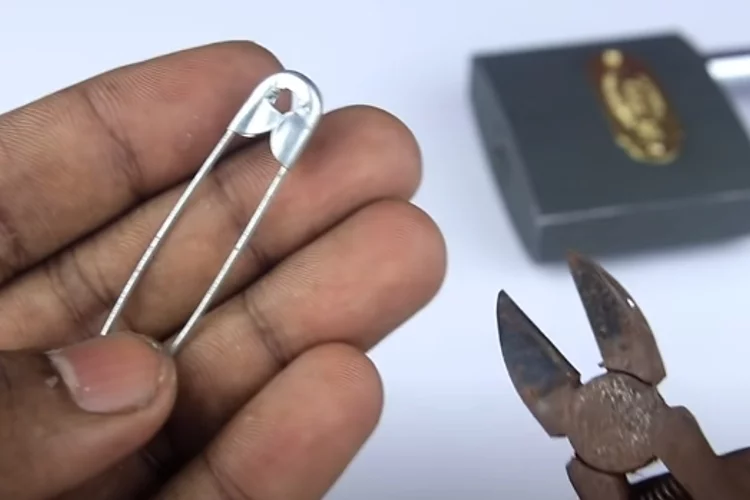
The classic improvised pick uses two bobby pins — or two straightened paperclips — and it works better than most people expect on basic padlocks. Bend the first pin into an L-shape to serve as a tension wrench. Bend the second with a small upward hook at the tip to manipulate the internal pins. Insert the L-shaped piece into the bottom of the keyhole and apply very light rotational pressure in the direction the key would turn. Think of it as the amount of force you'd use to crack an egg: firm but controlled.
While maintaining that pressure, slide the pick above the tension wrench and probe upward through the keyway. You're trying to feel each pin stack individually. When a pin reaches its shear line, you'll notice a slight give or hear a faint click. Work from the back of the keyhole toward the front, setting one pin at a time, until the cylinder rotates and the shackle releases. Cheaper locks respond much more easily than quality ones — on a discount-store padlock, this can take under two minutes.
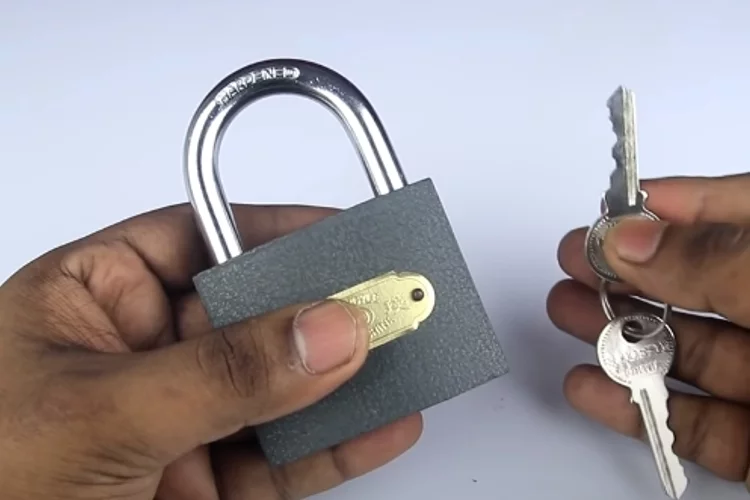
The Shim Method
The shim method bypasses the keyhole entirely and works on the shackle mechanism instead. Cut a strip of aluminum from a soda can — roughly 1 cm wide and 4 cm long — and fold it into a U-shape. Press down on the shackle slightly to compress the internal locking pawl, then slide both sides of the U down into the shackle hole while rotating the shim gently. You're trying to depress the spring-loaded catch that holds the shackle in place.
This approach is highly effective on inexpensive single-locking padlocks but fails almost immediately against double-locking or anti-shim designs, which are standard on most name-brand padlocks sold at hardware stores. If the shim doesn't produce results within a few tries, your lock likely has a more secure internal mechanism and you'll need to move on to a different technique.
Quick tip: When shimming, apply gentle downward pressure on the shackle before inserting the aluminum strip — this pre-compresses the pawl slightly and makes it much easier to seat the shim correctly.
Step-by-Step: Picking a Keyed Padlock
Pin tumbler padlocks are the most common keyed design, and picking one follows a predictable process once you understand how the mechanism works. Inside the cylinder, a series of spring-loaded pin stacks block the cylinder from rotating. Your key lifts each stack to a precise height — called the shear line — so all gaps align simultaneously and the cylinder turns. Picking recreates that alignment manually, one pin at a time.
Single Pin Picking
Single pin picking (SPP) gives you the most control and the best success rate on quality locks. Start with your tension wrench seated in the bottom of the keyhole, applying light rotational pressure. Insert your pick and locate the binding pin — this is the one that feels stiffer or more resistant than the others, due to the slight misalignment caused by your tension on the cylinder.
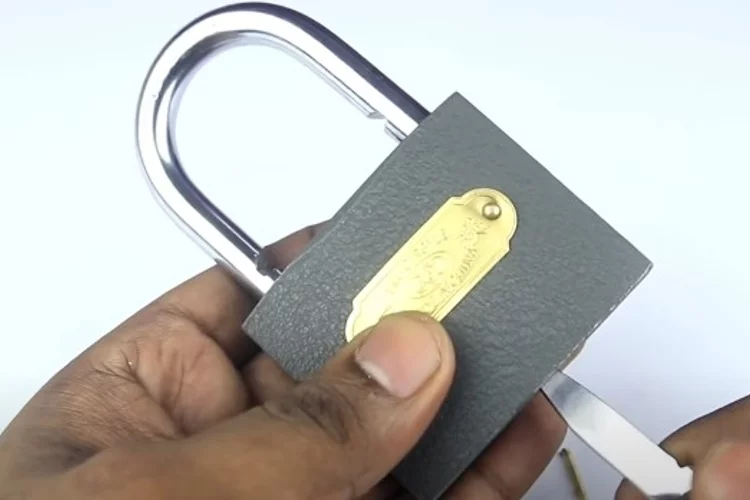
Lift the binding pin gently until you feel it set — a subtle click or a tiny rotation in the cylinder confirms it. Move on to the next binding pin and repeat. If the cylinder springs back suddenly, you've applied too much tension — ease off slightly and start again. A thin flathead screwdriver can substitute as a tension wrench on padlocks with wider keyways, though a proper tension wrench makes the whole process considerably smoother.
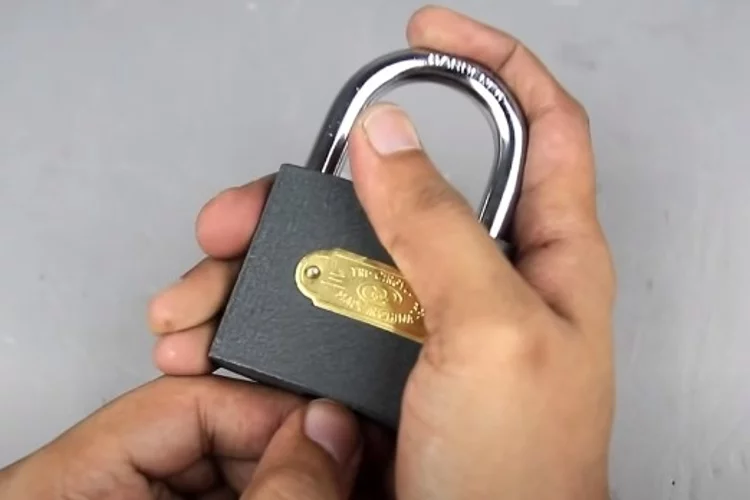
Raking for a Faster Result
Raking is a less precise but much faster technique. Instead of addressing pins individually, you insert a rake pick — shaped with several peaks and valleys along its tip — and move it rapidly in and out while maintaining light tension. The goal is to randomly set multiple pins at once through repetitive motion. On low-security locks, raking can open a padlock in under 30 seconds. On better-quality locks with tighter tolerances, it's largely ineffective.
Pliers aren't a standard picking tool, but once the cylinder has turned, they can help if the shackle resists coming free — grip the shackle body and apply steady upward pressure rather than a sharp jerk.
If you're dealing with a combination padlock rather than a keyed one, the approach is entirely different. Our detailed walkthrough on how to open a 4 number combination lock covers the manipulation technique that works on many standard dial padlocks.
Matching the Technique to Your Lock Type
Not every method works on every padlock. The design and quality of your specific lock largely determines which technique has a realistic chance of succeeding — and which will only waste your time. Understanding the difference before you start can save you 20 minutes of failed attempts.
Combination Padlocks
Combination padlocks use a dial or a series of number wheels instead of a keyhole, so pin-picking isn't applicable. On dial-style locks, a technique called manipulation involves feeling for subtle resistance variations as you rotate the dial under very light tension. Each internal disc has a gate that aligns when you hit the correct number. It takes patience and a quiet environment, and it works most reliably on lower-quality combination locks with loose internal tolerances. On quality combination padlocks, the gates are too tight to feel reliably.
Keyed Padlocks
Keyed padlocks split broadly into low-security and high-security categories, and the lock grade determines which bypass techniques are worth trying. The table below gives you a practical reference.
| Lock Grade | Bobby Pin / Pick | Shim Method | Raking | Best Approach |
|---|---|---|---|---|
| Basic (discount store) | Often works | Often works | Often works | Try shimming first |
| Mid-grade (name brand) | Sometimes works | Rarely works | Sometimes works | Single pin picking |
| High-security (hardened) | Rarely works | Does not work | Does not work | Call a locksmith |
| Combination (standard dial) | Not applicable | Not applicable | Not applicable | Manipulation or reset |
As a general rule, the purchase price of the padlock is a rough indicator of how resistant it will be. A lock bought at a dollar store will yield to a bobby pin quickly. A quality hardened-steel padlock from a reputable manufacturer may resist every improvised method you have available.
When Your First Attempts Don't Work
Even when you're using the right technique for the right lock, results aren't always immediate. Corrosion, mechanical wear, and incorrect tension application are the most common reasons a picking or shimming attempt stalls out — and each has a specific fix.
A Corroded or Stiff Lock
If a padlock hasn't been used in months or has been exposed to rain and humidity, the internal mechanism may be partially seized. Spray a small amount of WD-40 or a penetrating lock lubricant into the keyhole and around both shackle holes, then let it sit for five minutes before trying again. Graphite powder is often a better long-term lubricant than oil-based products because it doesn't attract dust or gum up the pins over time. Avoid over-saturating — excess product can trap debris and compound the problem.
Sometimes an unconventional approach breaks a lock loose when standard techniques fail. It may be worth reading about how to open a lock with matches — the thermal expansion technique described there can occasionally free a lock that's been frozen by cold weather or surface corrosion.

A Stuck Shackle
Sometimes the cylinder opens successfully but the shackle refuses to pull free. This usually means the shackle is under load — the internal locking balls or pawl haven't fully retracted because the shackle is being pressed against one side of the housing. Press down on the shackle while simultaneously pulling upward. This relieves the internal pressure on the locking mechanism and often allows the shackle to release cleanly without any additional force.
If it still won't move, do not force it with excessive torque or a prying tool. You risk snapping the shackle body or deforming the housing, which transforms a manageable lockout into a significantly harder problem. Stop, reassess, and consider professional assistance.
Warning: If pressing down and pulling simultaneously produces no movement after several careful attempts, a secondary locking feature may be engaged — forcing it further risks permanent damage to the lock body.
When to DIY — and When to Stop
There's a point in any improvised lock attempt where continuing costs more time and creates more risk than simply calling someone who does this professionally. Knowing where that line is can save you frustration — and prevent you from damaging a lock you might actually want to keep using.
Situations Where You Should Walk Away
Stop immediately if you're not the lock's owner and can't demonstrate clear authorization. Stop if the lock is securing a property or space you're not explicitly permitted to access. And stop if you've invested more than 20 to 30 minutes with no real progress — at that point, the lock is almost certainly beyond your current skill level or tools. Forcing a high-security padlock can cause internal damage that makes even a professional's job harder and the final bill higher. There's no practical benefit to persisting past the point of diminishing returns.
When a Locksmith Is the Better Option
A licensed locksmith can open the vast majority of padlocks without destroying them, often in just a few minutes. The cost of a service call is typically far less than the combined frustration of a failed DIY attempt, a damaged lock, and time lost. Locksmiths are also insured and can document the service, which matters if the lock is on a rental property, shared storage unit, or any space where you need to demonstrate that access was legitimate. If your padlock has visible prior damage, serves a critical security function, or is attached to anything more sensitive than a basic shed or locker, professional service is simply the smarter call.
Frequently Asked Questions
Is it legal to pick a padlock you own?
In most places, yes — picking a lock you own or have explicit permission to open is legal. However, laws around the possession of lock pick tools themselves vary by country, state, and local ordinance. Check your local regulations before purchasing or using pick tools, even for personal use.
What is the easiest type of padlock to open without a key?
Basic spring-latch padlocks and inexpensive single-locking padlocks are the easiest to bypass. They respond quickly to shimming and simple pin picking. High-security hardened steel padlocks with anti-pick pins and anti-shim shackles are significantly harder and often require professional tools to open.
Can I open a combination padlock without knowing the combination?
It's possible on lower-quality combination locks using a manipulation technique — applying light tension to the dial and feeling for resistance as each internal disc aligns. This requires patience and a quiet environment. On quality combination padlocks with tight internal tolerances, reliable manipulation is extremely difficult.
Will picking a padlock damage it?
When done correctly with light tension and careful pick movement, picking generally does not damage a padlock. However, excessive tension, aggressive raking, or repeated failed attempts can cause internal wear or deformation over time. Forcing the shackle before the cylinder has fully rotated is the most common cause of damage.
What household items can I use to pick a padlock?
Two bobby pins or straightened paperclips are the most accessible improvised tools — one bent into an L-shape for tension, one bent with an upward hook for picking. A thin flathead screwdriver can substitute as a tension wrench on wider keyways. Aluminum cut from a soda can is commonly used for shimming the shackle.
How long does it typically take to open a padlock without a key?
On a basic padlock, an experienced person can open it in under a minute using raking or shimming. For someone just learning, a low-security lock might take 5 to 15 minutes. High-security padlocks may be effectively resistant to all improvised methods regardless of the time invested.
What should I do if the shackle won't release after the cylinder turns?
Press down on the shackle while simultaneously pulling upward — this relieves internal load on the locking mechanism and usually allows the shackle to release. If it still won't move after several careful attempts, a secondary security feature may be engaging. Stop and consult a locksmith rather than applying more force.
When is it better to just cut the padlock?
Cutting is a last resort and should only be used when you clearly own the lock or have explicit authorization. Standard bolt cutters work on most basic padlocks, but hardened steel shackles may require heavy-duty cutters or an angle grinder. If you're unsure whether your tools are rated for the material, a locksmith with proper equipment is safer and often faster.
Final Thoughts
Understanding how to open a padlock without a key is genuinely useful knowledge — whether you're in a lockout situation right now or simply want to be prepared. Start with the simplest method that matches your lock type, stay patient with the process, and recognize when the smart move is stepping back and calling a professional. If you want to go further, explore our padlock security guides to learn which locks are worth buying, which techniques criminals actually use, and how to make sure your property stays protected from the outside in.


About Robert Fox
Robert Fox spent ten years teaching self-defence in Miami before transitioning into home security consulting and writing — a background that gives him an unusually practical, threat-aware perspective on residential security. His experience spans physical security assessment, lock and alarm system evaluation, and the behavioral habits that make homes harder targets. At YourHomeSecurityWatch, he covers home security product reviews, background check and criminal records resources, and practical guides on protecting your property and family.
You can Get FREE Gifts. Furthermore, Free Items here. Disable Ad Blocker to receive them all.
Once done, hit anything below