Nearly 2.5 million home burglaries are reported in the United States every year according to FBI crime statistics, yet one of the most stressful security situations you'll face as a homeowner has nothing to do with intruders — it's discovering you can't get into your own safe. Knowing how to open a safe without a key can save you a costly locksmith call and a great deal of frustration, and several legitimate, damage-free approaches are available depending on what type of safe you own. Before you resort to anything drastic, explore your options through our complete safe security resource hub to find the most practical path forward.
The method that actually works for you depends entirely on what kind of safe you're dealing with — a simple key-lock model, a dial combination safe, an electronic keypad unit, or a biometric device each respond very differently to various entry techniques, and choosing the wrong approach can damage the locking mechanism or void your warranty. Taking a few minutes to identify your safe type before you start dramatically narrows down which solutions are worth attempting, which saves you both time and the risk of making the situation worse.
This guide walks you through proven techniques, explains the real scenarios where each method applies, corrects the most persistent myths about safe entry, and gives you a practical checklist for preventing future lockouts. Everything here is intended strictly for legal use — accessing a safe that you own or have lawful authority over.
Contents
Step-by-Step Methods to Open a Safe Without a Key
Three core techniques cover the vast majority of residential lockout scenarios, and each one targets a specific safe design, so understanding which category your safe falls into is the critical first step before you touch anything.
Using a Rare-Earth Magnet
The magnet method is one of the most commonly demonstrated approaches online, and it genuinely works on a specific subset of safes — models that use a solenoid-based locking mechanism, which is common in many mid-range electronic keypad safes. Here is what you need and how to proceed:
- Purchase a neodymium (rare-earth) magnet rated at 125 lbs. of pull force or stronger, since standard craft magnets or refrigerator magnets won't generate nearly enough force to move the solenoid inside the safe.
- Place the magnet inside a thick sock or a folded cloth bag to improve your grip and protect the safe's exterior finish from scratches and surface damage.
- Move the magnet slowly across the outside of the safe near the locking bolt area, which is typically located close to the keypad on electronic models.
- When you feel or hear a distinct click, the solenoid has released and the bolt should retract freely when you turn the door handle.
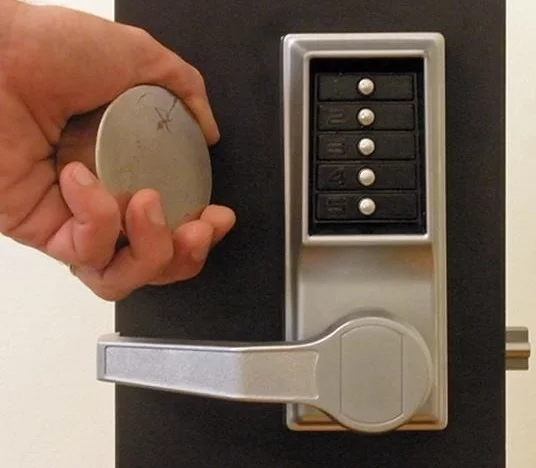
This method does not work on mechanical combination safes, traditional deadbolt key safes, or any safe that relies entirely on a non-electronic locking mechanism without a solenoid component — attempting it on those models simply wastes your time without causing damage.
Picking the Lock
Key-lock safes can sometimes be opened using basic lock-picking techniques, similar to what you would use on a standard padlock — if you're unfamiliar with that process, our guide on how to open a padlock without a key covers the core fundamentals that translate well to simple safe locks. The steps are straightforward once you have your tools ready:
- You'll need a tension wrench and a pick tool — two bobby pins shaped appropriately can substitute in a pinch, though dedicated picks make the process noticeably easier.
- Insert the tension wrench into the bottom of the keyhole and apply light, consistent rotational pressure in the direction the key would normally turn.
- Insert your pick tool above the tension wrench and feel for the individual pin stacks inside the lock cylinder, moving from the back of the cylinder toward the front.
- Apply upward pressure on each pin until you feel it set at the shear line, then move to the next — once all pins are set, the cylinder rotates and the bolt retracts.
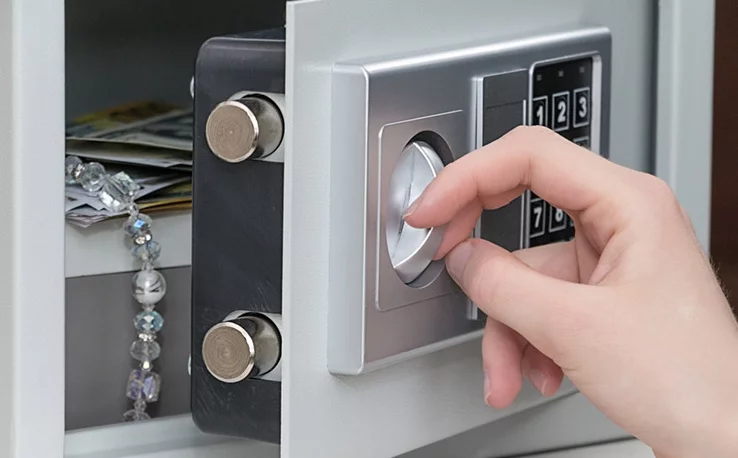
Keep in mind that this technique works best on lower-security key locks with standard pins, and it becomes significantly less effective on higher-grade cylinders that use security pins, spools, or serrated pin stacks designed specifically to defeat picking attempts.
Contacting the Manufacturer
This is often the cleanest and least risky option available to you, and it's worth pursuing before you attempt anything more physically involved, since most reputable brands maintain override programs for verified owners:
- Locate your safe's model number — it's usually printed on the back panel, inside the door frame, or on the original packaging — and gather your purchase documentation or warranty card.
- Call the manufacturer's customer support line and explain that you're a verified owner locked out of your safe; brands like SentrySafe and Honeywell Home offer emergency override keys or temporary reset codes for confirmed owners.
- Be prepared to provide proof of ownership such as a sales receipt, online order confirmation, product registration, or serial number verification through their system.
Common Situations Where You'll Need This Knowledge
Inherited and Secondhand Safes
Many people end up with locked safes received from family members, estate sales, or secondhand purchases, and often there is no key, combination, or documentation to be found anywhere in the deceased's or seller's belongings. In these situations, the magnet method or manufacturer contact are your best first options, though older safes may no longer have active manufacturer support, which means a professional locksmith who specializes in safes — not just door locks — becomes your most reliable resource.
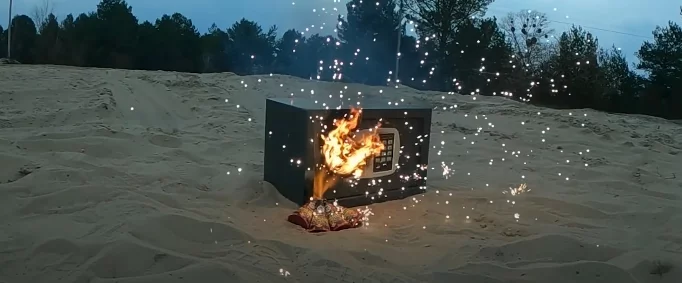
A fireproof safe like the one above presents an additional layer of complexity because the door seal and heavy construction make forced entry significantly more difficult — factoring that in before you start saves you from a frustrating and potentially damaging attempt.
Emergency Access During Time-Sensitive Situations
Sometimes the urgency is real — you need your passport for same-day travel, critical financial documents for a scheduled appointment, or a firearm for immediate personal defense, and waiting is simply not an option. A few grounding points help you make better decisions when you're under pressure:
- Don't skip straight to drilling just because you feel rushed — drilling destroys the locking mechanism and typically makes the safe unrepairable, so you'd be replacing the entire unit.
- If you own a dedicated gun safe, you may have specific override options built in that differ from standard document safes — our comparison of gun safe vs gun cabinet explains the structural differences that directly affect your access options.
- A safe specialist locksmith can open most residential models non-destructively within an hour and is worth the call before you attempt anything irreversible on your own.
Choosing the Right Method for Your Safe Type
Not every technique works on every safe, and using this reference table before you start can prevent you from wasting time on an approach that simply isn't compatible with your model's locking mechanism.
| Method | Key-Lock Safe | Dial Combination Safe | Electronic Keypad Safe | Biometric Safe |
|---|---|---|---|---|
| Rare-earth magnet | No | No | Yes (solenoid models) | Sometimes |
| Lock picking | Yes (basic locks) | No | No | No |
| Hidden override keyhole | N/A | No | Yes (most models) | Yes (most models) |
| Manufacturer reset code | Sometimes | Yes | Yes | Yes |
| Professional locksmith | Yes | Yes | Yes | Yes |
| Drilling (last resort) | Yes | Yes | Yes | Yes |
Mechanical Key and Combination Safes
Mechanical safes are generally harder to open without the proper key or combination because there is no electronic component to bypass with a magnet or a factory reset, which means your realistic options narrow down to lock picking, manufacturer assistance, or professional intervention. If you own a dial combination model and want to understand the underlying mechanics before attempting anything, our guide on how to open a 4-number combination lock covers dial manipulation fundamentals that apply to many residential combination safes.
Electronic and Biometric Safes
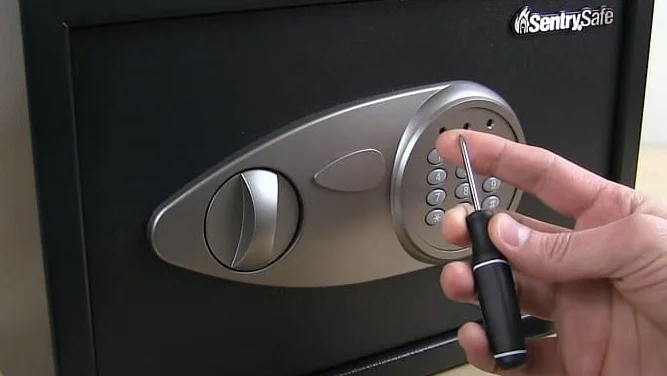
Electronic keypad safes and biometric models almost always have a hidden override keyhole built directly into the door design, and the first thing you should do is inspect the front and side panels for a small recessed slot or a cap covering a physical keyhole. Many owners never discover this backup keyhole because it's concealed under a decorative plastic cap or flush panel, but once you locate it and obtain the corresponding override key from the manufacturer, you're back inside without any damage to the safe at all.
What Movies and Myths Get Wrong About Safe Entry
Myth: Any Magnet Will Work
Most people who try the magnet method at home grab a refrigerator magnet or a basic office supply magnet and then wonder why nothing happens, and the explanation is straightforward: the solenoid inside an electronic safe requires a significantly powerful rare-earth magnet — typically a grade N52 neodymium magnet — to generate enough pull force to release the bolt. Using the wrong magnet wastes your time without causing harm, but you'll have no success until you source the right tool, so checking the specifications before you buy saves a wasted trip to the hardware store.
Myth: Drilling Is Fast, Easy, and Reversible
Film and television portray safe-cracking as a matter of drilling a single clean hole in under a minute, but the reality is that residential safe drilling requires specialized carbide-tipped bits, precise positioning on specific vulnerable points in the locking mechanism, and often takes a trained locksmith 30 to 60 minutes even with proper equipment. The result is permanent damage — a safe that has been drilled can typically no longer be relocked and must be replaced entirely, which is why every reputable guide, including those from professional locksmiths, treats drilling as a genuine last resort rather than a practical option for most homeowners.
Preventing Future Lockouts: What You Should Do Now
Updating Your Access Credentials Immediately
Once you've regained access to your safe, updating your credentials and creating a proper backup system is the single most important thing you can do to ensure this doesn't happen again:
- Write down your combination or have a duplicate key made, and store one copy in a secure off-site location such as a bank safe deposit box rather than a drawer in your home.
- Never label a stored code with anything obvious like "safe combination" — use a personal notation system that only you would understand, such as referencing it within a contact entry or a coded phrase.
- Register your safe with the manufacturer if you haven't done so, since this creates a verified ownership record that significantly speeds up future support requests or override key orders.
Building a Lockout Prevention Routine
A few consistent habits eliminate most lockout scenarios before they ever happen, and the time investment is minimal compared to the stress of another emergency access situation:
- Set a quarterly calendar reminder to verify that you still know your combination or can locate your physical key, since months of non-use makes it surprisingly easy to second-guess yourself under pressure.
- Keep the manufacturer's customer service number stored somewhere accessible and completely separate from the safe itself — a note in your wallet or a saved phone contact works well.
- Consider upgrading to a safe that offers multiple entry methods, such as both a keypad and a backup physical key, if your current model only provides one access route, since redundancy is the most reliable prevention strategy.
Frequently Asked Questions
Can you open a safe without a key without damaging it?
Yes, in many cases you can open a safe without causing any damage, particularly if you use the rare-earth magnet method on an electronic solenoid-based safe, find the hidden override keyhole on a keypad or biometric model, or obtain a reset code or override key directly from the manufacturer. Damage-free entry is very much achievable when you identify the right method for your specific safe type before you start.
What kind of magnet do I need to open a safe?
You need a rare-earth neodymium magnet, ideally rated at N52 grade with at least 125 lbs. of pull force, because weaker magnets simply won't generate enough magnetic force to release the solenoid inside an electronic safe. These magnets are widely available online and at specialty hardware stores, and you should handle them with care since they're powerful enough to cause injury if two of them snap together unexpectedly.
Does lock picking work on all types of safes?
No — lock picking is only effective on safes that use a standard key-lock mechanism with a conventional pin tumbler cylinder, and it becomes much less reliable on higher-security locks that use spool pins, serrated pins, or other anti-pick design features. Combination safes, electronic keypad safes, and biometric safes use fundamentally different locking mechanisms that don't respond to traditional picking techniques.
What should I do if I forgot my safe combination?
Your first step should be contacting the manufacturer's customer support line with your model number, serial number, and proof of purchase, since most reputable brands maintain a process for verified owners to retrieve or reset their combination through a security verification procedure. If the manufacturer is no longer in business or can't help, a certified safe technician locksmith can typically open most combination safes without drilling by using specialized dial manipulation or scope techniques.
How much does a locksmith typically charge to open a safe?
Safe opening costs vary considerably depending on your location, the safe's complexity, and the method required, but you should generally expect to pay anywhere from $150 to $400 for a non-destructive opening by a certified safe technician, with rates climbing higher for high-security models or situations that require drilling. Getting a quote before the locksmith begins work is always a smart move so there are no surprises on the final bill.
Is it legal to open a safe I own without the key?
Yes, it is completely legal to open a safe that you own or have lawful authority over, and you are free to use any of the methods described in this guide on your own property. The legal line is crossed when you attempt to access a safe belonging to someone else without their explicit permission, which falls under burglary or theft statutes depending on the jurisdiction and circumstances involved.
Key Takeaways
- The best method for opening a safe without a key depends directly on your safe type — the rare-earth magnet technique works on electronic solenoid safes, while lock picking suits simple key-lock models, and manufacturer override is the cleanest option across most categories.
- Before attempting any physical entry method, always check for a hidden override keyhole on electronic and biometric safes, since most manufacturers include one and it provides instant, damage-free access with the correct override key.
- Drilling is a genuine last resort that permanently destroys the locking mechanism and typically requires replacing the entire safe, so it should only be considered when every other option has been exhausted.
- Preventing future lockouts is simple with duplicate keys stored off-site, manufacturer registration, and a quarterly habit of verifying that you still know your combination or can locate your access key.


About Robert Fox
Robert Fox spent ten years teaching self-defence in Miami before transitioning into home security consulting and writing — a background that gives him an unusually practical, threat-aware perspective on residential security. His experience spans physical security assessment, lock and alarm system evaluation, and the behavioral habits that make homes harder targets. At YourHomeSecurityWatch, he covers home security product reviews, background check and criminal records resources, and practical guides on protecting your property and family.
You can Get FREE Gifts. Furthermore, Free Items here. Disable Ad Blocker to receive them all.
Once done, hit anything below