Have you ever stood in front of your Stack-On safe during a stressful moment, suddenly unsure whether you're spinning the dial the right way? If you're trying to figure out how to unlock a Stack-On gun safe, you're far from alone — rotary combination locks confuse new and experienced owners alike, and a single misstep can mean starting the entire sequence over. The reassuring part: once you understand the three-pass dial mechanism, it becomes genuinely repeatable and fast. This guide covers the mechanics, step-by-step methods, lockout solutions, and maintenance habits that keep your lock running reliably. For a broader look at safe models and security tiers, visit our gun safes guide.

Stack-On has established itself as one of the most popular residential gun safe brands in the country. Their combination locks are mechanical — no batteries, no circuit boards, no wireless signals. Just a precisely machined dial, a spindle, and a set of internal discs that must align in exactly the right order. That simplicity makes them dependable over many years of use. It also means that when something goes wrong, the cause is almost always the operator's technique rather than a mechanical failure.
Whether you purchased a Stack-On safe to secure firearms, important documents, or valuables, understanding how the combination lock actually works changes everything. You stop guessing and start operating it with confidence. This guide walks through the full picture — from the physics of rotary locks to step-by-step unlocking instructions, common real-world lockout situations, persistent myths, and the habits that keep your safe accessible when you need it most.
Contents
Understanding Stack-On Combination Locks
Before you can reliably open your safe, it helps to understand what's actually happening inside the lock when you turn the dial. Stack-On combination locks use a three-wheel rotary mechanism — a design that has been refined over more than a century of use in security applications. Each number in your combination corresponds to one of three internal discs called wheels or cams. When your dial sequence aligns all three wheel gates with the fence (a small lever inside the lock body), the bolt retracts and the door opens.
How Rotary Dial Locks Work
Here's what happens mechanically as you work through the sequence:
- Rotating the dial clockwise engages the drive cam and picks up the first wheel.
- Reversing to counterclockwise releases the first wheel at the correct position and picks up the second wheel.
- A final clockwise rotation brings the third wheel into alignment.
- When all three wheel gates line up simultaneously, the fence drops and the bolt is free to move.
The key detail: each wheel must be carried through a specific number of full rotations to reset properly. Rushing or skipping rotations is the number-one cause of repeated failure. You're not just entering a number — you're mechanically positioning three separate internal components in sequence.
Stack-On Lock Design Specifics
Most Stack-On mid-range combination models use a Group 2 or Group 2M dial lock rated by UL (Underwriters Laboratories), which sets security standards for combination locks used in residential and commercial applications. Here's how key specs typically compare across the Stack-On lineup:
| Feature | Detail |
|---|---|
| Lock type | Three-wheel rotary combination |
| Combination digits | Typically 3 numbers, each ranging 0–99 |
| Starting dial direction | Clockwise on most models (check your manual) |
| UL rating | Group 2 or Group 2M (residential) |
| Override key | Included with most models |
| Combination reset | Requires locksmith or manufacturer for most units |
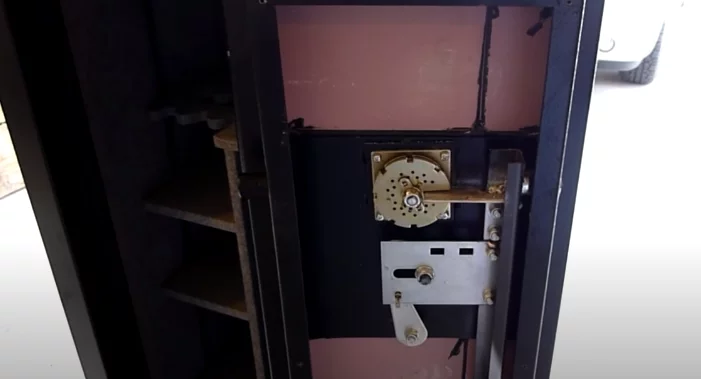
Always cross-reference your model's instruction card for the exact starting direction. Some Stack-On units begin counterclockwise; most begin clockwise. If you're unsure and have lost your manual, Stack-On's website lists model-specific documentation.
What You'll Need Before You Start
One of the advantages of a mechanical combination lock is that you don't need any tools to open it under normal conditions. But preparation still matters — poor lighting and a distracted mindset cause more failed unlock attempts than any mechanical issue.
Standard Requirements
- Your combination — written down and stored separately from the safe itself.
- Good lighting — shadows and low-contrast dials cause number misreads that are entirely avoidable.
- A calm, steady hand — gripping the dial too tightly causes accidental overshoot at each number.
- The override key, if your model includes one — most Stack-On combination safes ship with a backup key that operates independently of the dial.
- Your model number — useful if you need to contact Stack-On support or look up the manual.
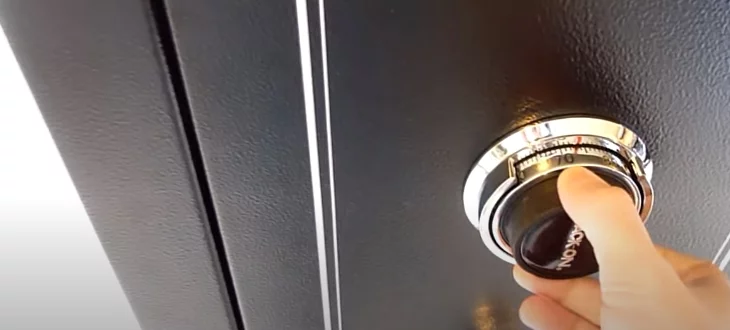
When You Might Need Extra Help
If you've lost your combination or the lock is mechanically damaged, two paths are worth pursuing:
- Contact Stack-On directly — with proof of purchase, their customer service team can often provide a reset combination or walk you through model-specific recovery options.
- Hire a licensed locksmith — specifically one with documented experience opening gun safes. A general door-lock specialist may lack the training or tools to manipulate a Group 2 combination lock without drilling, which is both expensive and destructive.
Avoid DIY destructive entry unless the safe is completely unusable and replacement is already the plan. Drilling and prying almost always void any remaining warranty and can damage firearms or documents stored inside.
How to Unlock a Stack-On Gun Safe: Step-by-Step Methods
Knowing precisely how to unlock a Stack-On gun safe requires more than memorizing three numbers. It means executing the rotation sequence accurately, at a consistent speed, without rushing. Here is the process broken down in a way that eliminates the most common mistakes.
The Standard Three-Pass Sequence
This method applies to the vast majority of Stack-On rotary combination models. Execute each step deliberately and without rushing:
- Clear the lock. Rotate the dial clockwise a minimum of four full rotations. This resets all three internal wheels to a neutral position. Do not skip this step — attempting the sequence on an already-turned dial will almost certainly fail.
- First number — clockwise. Continue rotating clockwise and stop precisely on the first number of your combination. Read the number at the 12 o'clock index marker, not from the edge of the dial.
- Second number — counterclockwise. Reverse direction and rotate counterclockwise. Pass the second number completely on the first revolution, then stop exactly on it the second time you reach it. You must pass it once before stopping.
- Third number — clockwise. Reverse direction again to clockwise and rotate directly to the third number. Do not overshoot. Stop cleanly on the number and hold the dial in place.
- Operate the handle. With the dial held on the third number, turn the handle or lift the lever. The bolt should retract and the door open smoothly.
Pro tip: Read the dial at the index marker at exactly 12 o'clock — not from the side of the dial or from memory. Misreading by even one digit is the leading cause of repeated failed attempts, and it happens far more often than people expect.
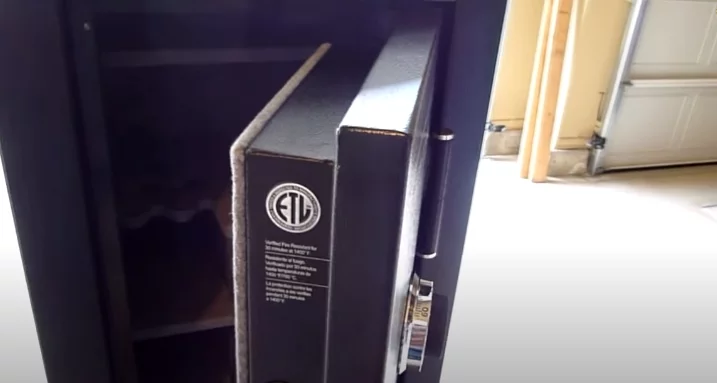
If the sequence fails on the first attempt, start over from the clearing step. Many people skip the four-rotation clear on a retry, which guarantees another failure. Reset completely every time.
Bypass Options When the Dial Fails
If you've executed the sequence carefully multiple times without success, the problem is likely not your technique. These are your practical alternatives:
- Override key: Insert the included key into the keyhole (typically located below or beside the dial on Stack-On models) and turn to open independently of the combination.
- Manufacturer recovery: Stack-On's customer service can verify your ownership and assist with combination recovery on most residential models.
- Locksmith manipulation: A certified safe technician can decode a Group 2 combination lock through careful manipulation without any destructive entry. See our detailed guide on how to open a safe without a key for more context on non-destructive methods.
Be skeptical of generic combination lock bypass tutorials you find online. Most are written for padlocks or electronic keypad locks and do not apply to a mechanical three-wheel mechanism. If you want to understand the underlying mechanics of dial-based locks more broadly, our post on how to open a 4-number combination lock explains the shared principles in plain language.
Common Lockout Situations and How to Handle Them
Lockouts almost never happen at a convenient time. Here are the most frequent real-world scenarios Stack-On owners encounter and a clear, practical response to each.
Forgotten Combination
This is by far the most common problem. Before calling a locksmith, work through this checklist:
- Check the original documentation — Stack-On includes a small combination record card in the packaging that many owners overlook.
- Search secure document storage — fireproof boxes, safety deposit boxes, or password managers are logical places to have stored the combination at purchase.
- Check email — if you registered the product or contacted Stack-On at any point, the combination may appear in correspondence.
- Contact Stack-On customer support with your proof of purchase — they can assist with verified ownership requests on many models.
- Hire a certified safe locksmith — manipulation is possible without drilling on Group 2 locks, and is much less expensive than replacing a damaged safe.
Warning: Never attempt to drill into a Stack-On safe yourself — it requires precision placement to avoid damaging the bolt mechanism, and an incorrect drill point can make professional recovery significantly harder and more expensive.
Dial Spins Freely or Sticks Completely
If the dial turns without any resistance at all, or if it feels seized and won't move, those are mechanical symptoms rather than user error.
- Spinning freely: The cam follower or drive pin may have failed. This is uncommon but happens on older safes or those stored in high-humidity environments. Do not force the dial further — contact Stack-On or a locksmith.
- Stuck completely: Corrosion or debris in the lock mechanism is the most likely cause. Applying graphite lubricant to the dial spindle (not inside the lock body) sometimes resolves mild stiffness. If the dial won't move at all, stop and consult a professional.
- Handle turns but bolt doesn't retract: The door may be under slight tension. Try pressing the door inward firmly while turning the handle — this relieves pressure on the bolt and is a common fix.
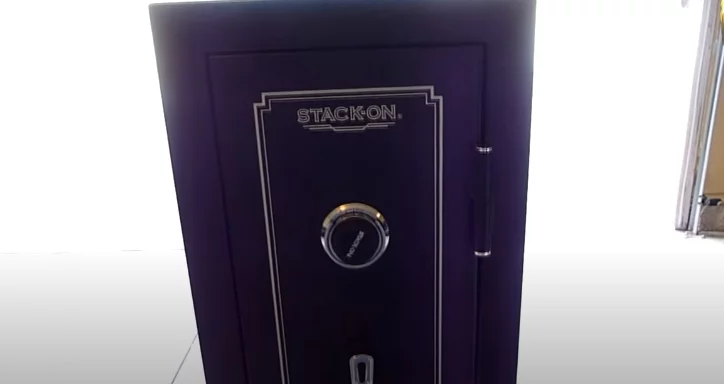
If you're weighing whether a combination gun safe is even the right choice for your needs, our comparison of gun safe vs gun cabinet breaks down the practical differences in security, cost, and access speed.
Combination Lock Myths Worth Clearing Up
A surprising amount of misinformation about combination locks circulates online, in forums, and even from well-meaning friends. Here are three of the most persistent myths — and the reality behind each.
Myth: You Can Feel the Correct Numbers Through the Dial
Some people claim you can detect the right numbers by feeling subtle clicks or resistance changes as the dial passes each position. This technique appears frequently in movies and works on some older, loosely toleranced padlocks. Modern gun safe locks — including Stack-On's Group 2 designs — use hardened steel components with extremely tight manufacturing tolerances specifically to prevent this kind of tactile manipulation. Attempting it will waste time and give you false confidence in incorrect numbers.
Myth: Any Locksmith Can Open a Gun Safe
Locksmithing is a broad field. A technician who specializes in residential door hardware and deadbolts may have little to no experience with mechanical combination locks. Safe manipulation is a distinct skill set that requires specific training, specialized tools, and significant practice. Hiring the wrong locksmith can result in a recommendation to drill — which is destructive and expensive — when a qualified safe technician could have opened the lock non-destructively. Always ask specifically about safe experience before hiring.
Myth: Electronic Locks Are Always More Secure Than Dial Locks
This comparison is more nuanced than most people assume. Electronic locks do offer faster access and support multiple user codes or biometric entry. But they also introduce failure modes that dial locks simply don't have. Here's how the two types compare across common criteria:
| Comparison Point | Dial Combination Lock | Electronic Lock |
|---|---|---|
| Access speed | Slower (three-pass sequence) | Faster (keypad or biometric) |
| Battery dependency | None | Required — failure risk if depleted |
| Manipulation resistance | High (Group 2 rated) | Varies significantly by model |
| Override options | Backup key (most models) | Master code or backup key |
| Long-term reliability | Very high with minimal maintenance | Good, but electronics age and fail |
| Cost | Generally lower | Generally higher |
Many security professionals consider a properly maintained Group 2 dial lock to be an excellent choice for residential gun storage — not a compromise. The choice ultimately depends on how often you need rapid access and whether battery maintenance is something you'll stay on top of.
Pro Tips for Consistent, Reliable Unlocking
Once the mechanics click into place, a few deliberate habits will make your unlock attempts faster and more consistent — especially under stress.
Dialing Technique
- Use two fingers on the dial knob, not a full-hand grip. A lighter touch gives you more precision at low rotational speeds.
- Turn slowly and evenly. Speed is the enemy of precision. A fast spin is nearly impossible to stop exactly on a number.
- Always clear the lock with four or more full clockwise rotations before starting — every time, even on a retry.
- Stop cleanly at each number without backing up. Approach from the correct direction and land on it directly.
- Practice the sequence occasionally with the door open so the motion becomes muscle memory. You don't want to fumble with the technique during a stressful moment.
Maintenance Habits
Mechanical locks are low-maintenance — but not zero-maintenance. These habits extend the life of your lock and prevent problems before they start:
- Apply a small amount of powdered graphite lubricant to the dial spindle once a year. Avoid oil-based lubricants — they attract dust and debris that accelerate wear.
- Store the safe in a climate-controlled space. High humidity accelerates internal corrosion in the lock mechanism and can cause binding over time.
- Test your combination at least once a month, even if you don't open the safe regularly. This confirms the lock is working and keeps the sequence fresh in your memory.
- Keep your backup combination stored in a completely separate secure location — not in the same room as the safe, and not in the safe itself.
- Inspect the handle mechanism periodically. If it feels stiffer than usual, a small amount of graphite on the bolt rod often resolves it before it becomes a real problem.
Frequently Asked Questions
What should I do if I forget my Stack-On gun safe combination?
Start by checking your original paperwork — Stack-On includes a combination record card with most safes. If you can't find it, contact Stack-On customer support with your proof of purchase. They can assist with combination recovery for verified owners on many models. If that option isn't available, hire a certified safe locksmith who specializes in mechanical combination locks. A qualified technician can often open the lock non-destructively through manipulation without drilling.
How many times do I rotate the dial before entering my combination?
You should rotate the dial clockwise at least four full rotations before beginning the combination sequence. This clears the internal wheels and ensures all three discs start from a neutral position. Skipping this step — especially on a second or third attempt — is one of the most common reasons the sequence fails repeatedly.
Can I reset my Stack-On combination lock myself?
For most Stack-On residential models, changing or resetting the combination requires either a licensed locksmith or assistance from the manufacturer. Unlike some electronic lock systems, mechanical dial locks don't have a user-accessible reset procedure. Attempting to reset the lock without proper knowledge can damage the internal components. Contact Stack-On directly or consult a certified safe technician.
Does Stack-On provide a master override code or combination?
Stack-On does not use a universal master combination across their product line — each safe has a unique combination set at the factory. However, their customer service team can work with verified owners to recover or reset combinations on eligible models. You'll typically need to provide your proof of purchase and model number. The process varies by model and production date.
How do I know if my lock is broken versus if I'm making a user error?
User error is far more common than mechanical failure on Stack-On combination locks. If the dial turns smoothly but the sequence consistently fails, the problem is almost certainly technique — overshooting numbers, skipping the clearing rotation, or misreading the index marker. A mechanical problem typically presents as a dial that spins with no resistance at all, a dial that won't turn, or a handle that turns but the bolt doesn't retract even after a confirmed correct combination. If you're experiencing the latter symptoms, consult a locksmith.
Final Thoughts
Stack-On combination locks are reliable, proven mechanisms — and in most cases, a lockout comes down to technique rather than any flaw in the safe itself. Take a few minutes to practice the three-pass sequence with your door open, store your backup combination somewhere separate and secure, and keep up with basic annual maintenance. If you're ready to go deeper on safe selection, security ratings, or how Stack-On compares to other brands, explore our gun safes guide for research-backed reviews and buying advice tailored to your situation.


About Robert Fox
Robert Fox spent ten years teaching self-defence in Miami before transitioning into home security consulting and writing — a background that gives him an unusually practical, threat-aware perspective on residential security. His experience spans physical security assessment, lock and alarm system evaluation, and the behavioral habits that make homes harder targets. At YourHomeSecurityWatch, he covers home security product reviews, background check and criminal records resources, and practical guides on protecting your property and family.
You can Get FREE Gifts. Furthermore, Free Items here. Disable Ad Blocker to receive them all.
Once done, hit anything below