The best home burglary prevention tips come down to one core principle: make your home a harder target than the one next door. Lock every entry point, eliminate concealment, and create visible deterrents — those three pillars stop the vast majority of opportunistic break-ins before they start. For a broader look at layered residential protection, explore our home security guides.
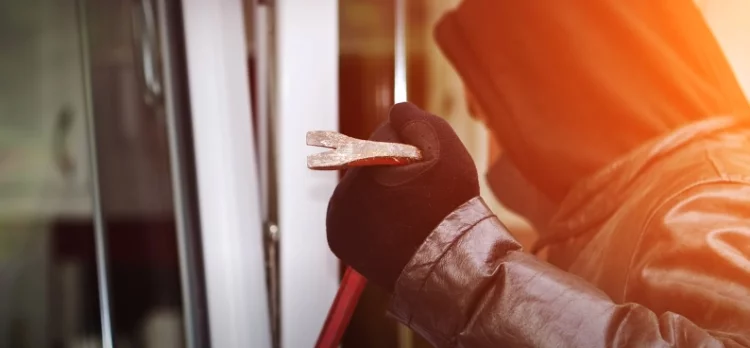
Burglars are not professionals — they're opportunists with a time budget. FBI crime data consistently shows that most residential break-ins involve unlocked doors, open windows, or easily forced entry — not sophisticated bypasses. The average intruder spends under 60 seconds deciding whether your home is worth the risk. Every barrier you add eats into that window.
This guide covers seven high-impact areas of home security. Start with the quick wins, then layer in the deeper investments. Every section is actionable — no theory, no filler.
Contents
- Fast Fixes That Stop Burglars Tonight
- The Best Home Burglary Prevention Tips for Every Entry Point
- How Burglars Actually Choose Their Targets
- Keeping Your Security Measures in Working Order
- When to Upgrade Your Security — and When to Hold Off
- Security Mistakes That Leave Your Home Exposed
- Filling the Gaps in Your Home Protection
- Frequently Asked Questions
Fast Fixes That Stop Burglars Tonight
You don't need to spend thousands to make your home dramatically safer. These actions cost little and pay off immediately.
- Lock every door and window — including the interior door from your garage into the house. Unlocked entries remain the #1 point of access.
- Install a door reinforcement kit with 3-inch screws into your door frames. Standard frames splinter in a single kick; a reinforced strike plate doesn't.
- Put timer plugs on interior lamps so the home never looks dark and empty from the street.
- Remove all spare keys from outside the home — under mats, in fake rocks, above door frames. Burglars know every hiding spot.
- Post a visible alarm system sign in your yard and a camera sticker on your front window, even while you're still building your full setup.
- Park your vehicle inside the garage if you have one. A car in the driveway signals someone is home; an empty driveway signals the opposite.
Pro tip: A $10 security bar dropped into the track of a sliding glass door eliminates one of the most common secondary entry points in residential burglaries — and takes 30 seconds to install.
The Best Home Burglary Prevention Tips for Every Entry Point
Applying the best home burglary prevention tips requires addressing every possible entry — not just the front door. Burglars probe for the weakest link in your perimeter. Patch one gap and they move to the next. A layered, complete approach is the only one that works.
Doors and Locks
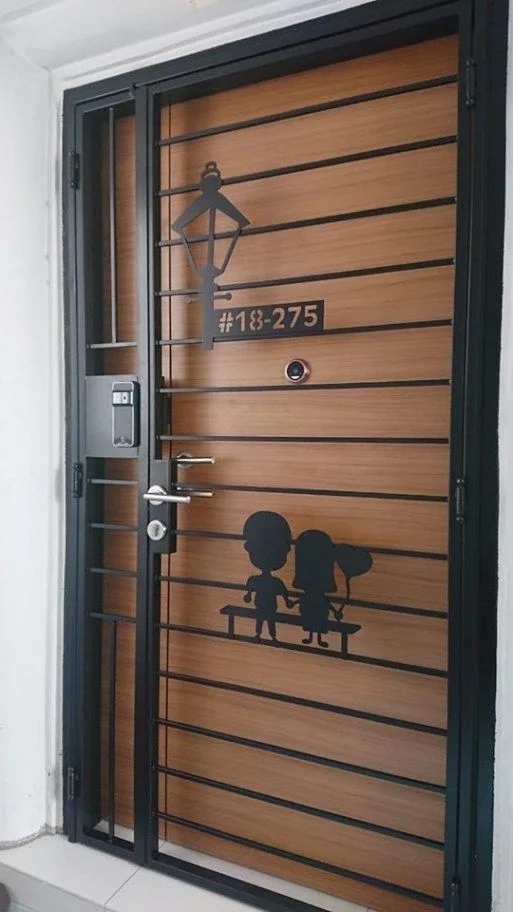
- Install commercial-grade deadbolts on all exterior doors. Residential-grade cylinders are significantly easier to compromise.
- Consider smart locks that log entry attempts, enable remote locking, and eliminate key-duplication vulnerabilities entirely.
- Replace hollow-core exterior doors with solid wood or steel-core alternatives — hollow doors offer almost no physical resistance.
- Add a wide-angle peephole or video doorbell so you can identify anyone at your door before opening it.
If you're concerned about vulnerabilities in your existing locks, read our guide on how lock picking works — understanding the technique reveals exactly where standard cylinders fall short and what upgrade actually closes that gap.
Windows and Sliding Doors
- Add key-operated sash locks to all ground-floor and basement windows.
- Install window blinds or privacy film on street-facing windows — preventing visual inventory of your interior removes one of a burglar's primary reconnaissance tools.
- Apply security film to glass panels. It won't stop a determined breach, but it significantly slows entry and generates noise.
- Secure sliding glass doors with a cut-to-fit wooden dowel in the track plus a top-mounted pivot pin to prevent lifting.
Perimeter and Lighting
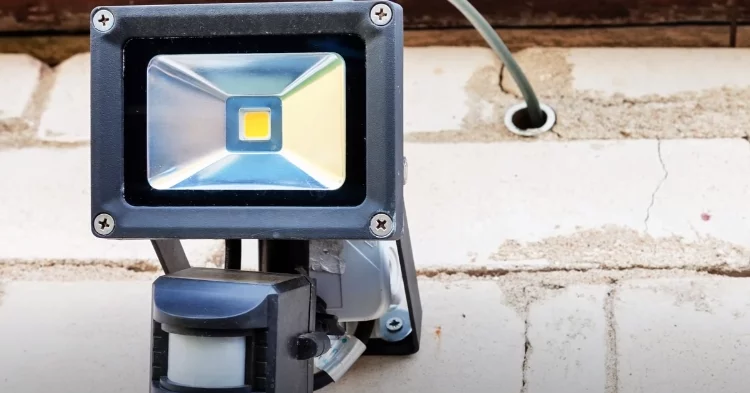
Lighting is among the highest-return investments in residential security. Motion-activated fixtures eliminate the cover of darkness that burglars depend on.
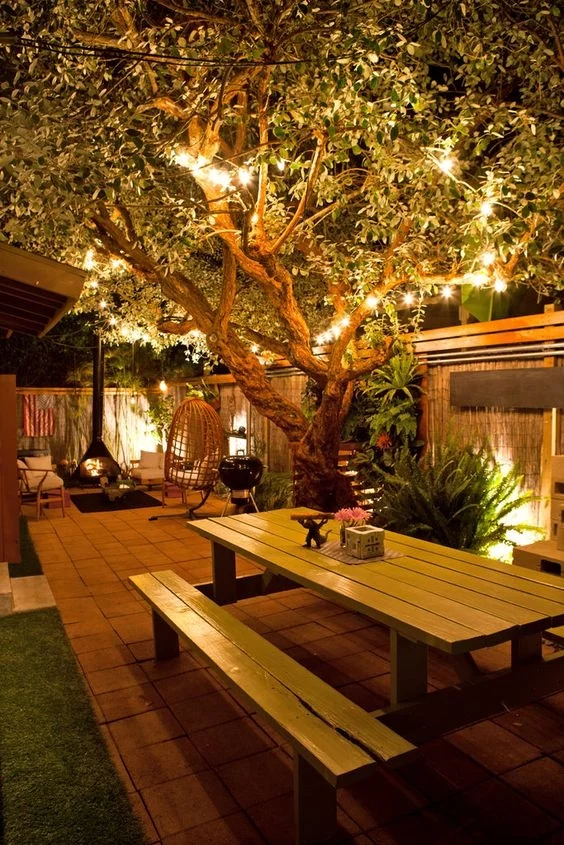

- Mount motion-activated floodlights at all entry points, the garage, and the backyard perimeter.
- Use continuous pathway lighting along your driveway and front walk — well-lit properties are skipped far more often than dark ones.
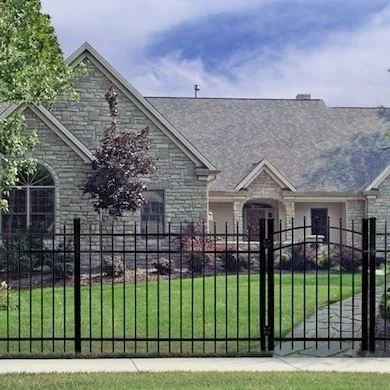
- For a serious perimeter upgrade, learn how to install an electric security fence — it combines physical barrier with psychological deterrence in one system.
| Security Measure | Estimated Cost | Install Difficulty | Deterrence Level |
|---|---|---|---|
| Grade 1 Deadbolt | $30–$80 | Easy (DIY) | High |
| Door Reinforcement Kit | $20–$60 | Easy (DIY) | Very High |
| Smart Lock | $100–$300 | Moderate | High |
| Motion-Activated Floodlights | $25–$120 | Easy | High |
| Security Camera System | $150–$700+ | Moderate | Very High |
| Window Security Film | $50–$150 | Easy | Moderate |
| Monitored Alarm System | $200–$600/yr | Low (professional) | Very High |
How Burglars Actually Choose Their Targets
Understanding burglar decision-making is one of the most effective security tools you have. Interviews with convicted offenders and criminological research reveal patterns you can directly counter.
The Burglar's Decision Process
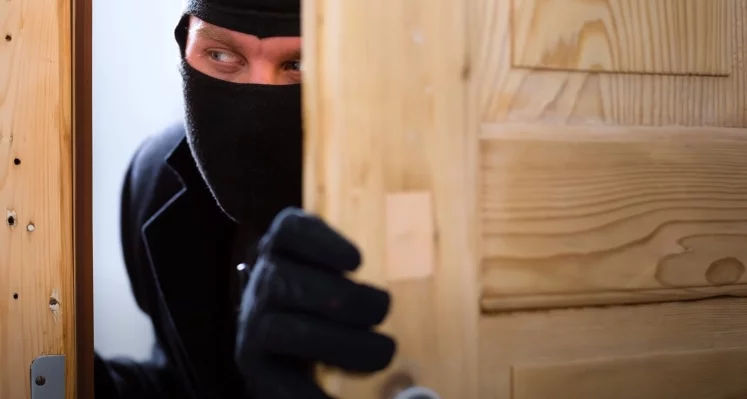
- Time and visibility are the deciding factors. Most opportunists abort an entry attempt if it takes longer than 60 seconds. Every deadbolt, reinforced frame, and camera adds to that clock.
- They target properties that look unoccupied: no cars, dark interiors, stacking mail, and vacation posts on public social media profiles.
- Visible cameras — even decoy units — cause most opportunists to move to the next property. The presence of recording equipment shifts the risk calculation immediately.
- Corner lots and homes without neighboring sightlines are at higher risk. Cul-de-sacs with active neighbors provide natural surveillance.
Hiding Your Valuables
Even if a burglar gets inside, you can dramatically limit what they find. Their average time inside a property is under 10 minutes — denial of a quick, high-value grab is entirely achievable.

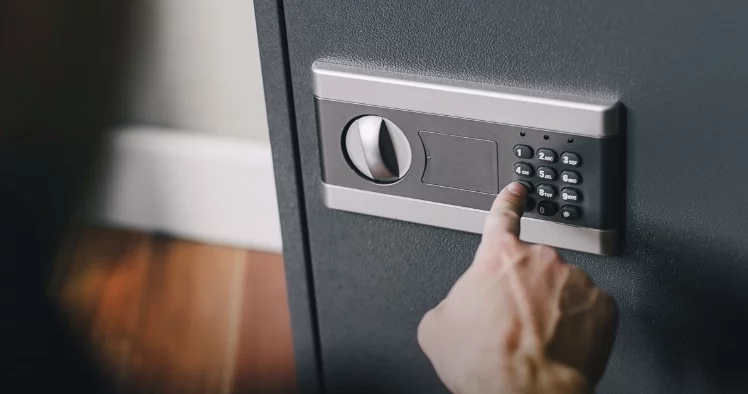
- Store firearms in a bolted, quality gun safe — this removes the most dangerous category of theft and creates a secondary time barrier inside the home.
- Keep passports, cash, and jewelry in a secondary safe that's hidden — not in the master bedroom, which is always the first room searched.
- Break down packaging boxes for high-value purchases before putting them in the recycling bin. Flattened TV and laptop boxes advertise exactly what's inside your home.
- Keep expensive items like bikes, tools, and sports gear out of view from street-level or an open garage door.
Warning: Never post about vacations or extended absences on public social media until after you've returned home. Publicly accessible posts are routinely monitored by opportunists as a targeting tool.
Keeping Your Security Measures in Working Order
A security system that isn't maintained is as dangerous as no system at all. Dead batteries, blocked cameras, and worn locks create invisible gaps that won't appear until you need them most.
Technology and Devices
- Test your alarm system monthly — trip each sensor manually and verify the control panel responds correctly.
- Replace alarm and sensor batteries on a fixed annual schedule. Don't wait for a low-battery chirp to remind you.
- Inspect camera lenses quarterly for dirt, spider webs, and moisture that block the field of view.
- Confirm your footage retention settings — verify that clips are saving correctly and not overwriting before you can review them.
- Apply firmware updates to smart locks, cameras, and hub devices as they release. Unpatched firmware contains known exploits.
Locks and Physical Barriers
- Lubricate deadbolts annually with a dry graphite lubricant — stiff locks get left unlocked because they're an inconvenience.
- Inspect exterior door frames and strike plates each season for wood rot, warping, or loose fasteners.
- Trim any shrubs, hedges, or trees that conceal your doorways or windows from street view. Concealment is cover.
- Re-key or replace all locks after any roommate change, relationship ending, staff turnover, or lost key situation — no exceptions.
When to Upgrade Your Security — and When to Hold Off
Not every security product investment makes sense for every situation. Spending money in the wrong places leaves real, cheaper gaps unaddressed.
When to Act Now
- After a break-in anywhere in your neighborhood — don't wait to become the next target. Act within 48 hours.
- When you move into a new home. Re-key every lock immediately, no exceptions. You have no way of knowing how many copies of the original keys exist.
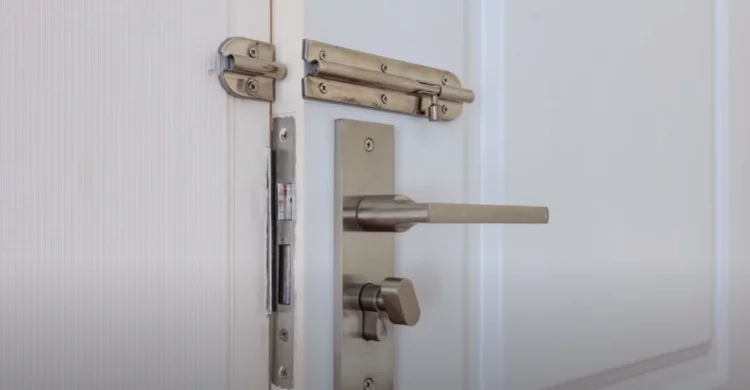
- When your locks are more than a decade old. Lock technology has advanced significantly, and older mechanisms are far easier to defeat.
- Before any extended travel — install smart monitoring devices that give you remote visibility and control while you're away.
When It Can Wait
- If you're renting and can't modify the property — invest in portable deterrents like travel door alarms, security cameras that don't require drilling, and window locks that clamp on without tools.
- If your neighborhood has a statistically low crime rate and you already cover the fundamentals — marginal upgrades yield minimal additional protection. Fix the basics first, every time.
- If you're considering cameras before you have solid locks and adequate lighting — foundations first. A camera that films a burglar walking through an unlocked door doesn't protect anything.
Security Mistakes That Leave Your Home Exposed
Most residential burglaries succeed not because of sophisticated tactics, but because of predictable, avoidable homeowner errors. These are the ones that show up most consistently.
The Most Costly Errors
- Assuming your neighborhood is safe enough. Crime patterns shift quickly. Complacency is the most common reason homes get hit in otherwise quiet areas.
- Leaving the garage door opener visible in an unattended car. A smashed window gives full interior garage access in under 20 seconds.
- Using the same lock combination or PIN across multiple devices. If one is compromised, they all are.
- Not securing secondary structures — detached garages, sheds, and fences are commonly used as staging areas to approach the main house unobserved.
- Relying entirely on a single layer of security. A smart lock alone is not a security system. Layers matter.
Dealing with Service Providers
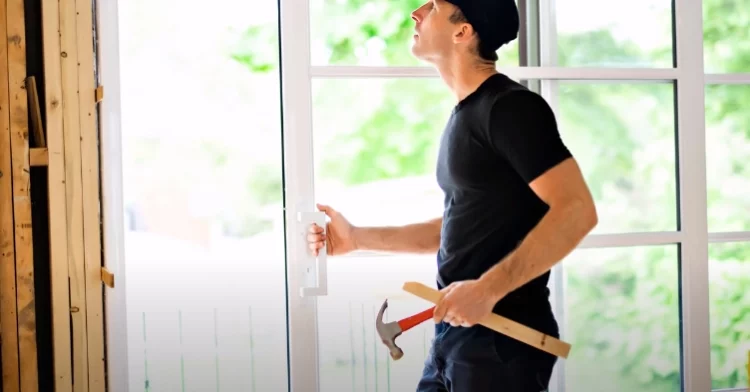
- Verify credentials before allowing any contractor, utility worker, or service technician inside your home. Request ID and confirm with the company directly by phone before opening the door.
- Never leave service providers unattended inside your home. Stay in the same room or in clear line of sight.
- Change access codes on smart locks and alarm panels after any service visit where workers had access to your keypad.
- Be cautious about what you reveal to strangers about your schedule, alarm system brand, or security setup. These details have real operational value to people casing a property.
Filling the Gaps in Your Home Protection
Even homeowners who've invested seriously in security often have blind spots. A systematic audit reveals them faster than any product purchase.
Running a Security Audit
- Walk the full perimeter of your property after dark and identify every unlit area, concealed approach path, and point of access that you'd exploit if you were locked out.
- Check every ground-floor entry from the outside — test doors and windows the way an intruder would, not the way you normally use them.
- Review your alarm system's event log for missed triggers, low-signal sensors, or devices that haven't reported in. These are silent failures.
- Look at your home from the street. What can a passerby see through your windows? What does your property signal about occupancy and valuables?
Engaging Your Neighbors
Your neighbors are a security asset that requires zero monthly subscription. An alert neighborhood is a deterrent in itself.
- Introduce yourself to immediate neighbors and exchange contact information. A simple text asking "is that your visitor?" has prevented more break-ins than most gadgets.
- Join or establish a neighborhood watch group. Coordinated observation changes the risk calculus for anyone casing the area.
- Ask a trusted neighbor to collect packages and mail during absences — stacking deliveries are a visible signal of an unoccupied home.
- Share camera coverage information with neighbors so you know which angles are covered and which are blind spots across the block.
Frequently Asked Questions
What is the single most effective home burglary prevention measure?
Reinforced doors with Grade 1 deadbolts combined with motion-activated exterior lighting. These two measures address the two most commonly exploited factors — weak entry points and darkness — at a low cost. No single measure is a complete system, but these two deliver the highest impact per dollar spent.
Do home alarm systems actually deter burglars?
Yes — significantly. Studies consistently show that monitored alarm systems reduce break-in risk, and surveys of convicted burglars confirm that a visible alarm system is one of the top reasons they skip a property. The monitoring component matters: an alarm that alerts only you creates a delay; one that dispatches law enforcement shortens response time to a point that makes entry unprofitable.
Where do most burglars enter a home?
The front door is the most common entry point, followed by first-floor windows and back or side doors. Burglars prefer the path of least resistance — an unlocked or weak door beats any window. Securing all exterior doors with deadbolts and reinforced frames should be your first priority.
Are security cameras worth it even without professional monitoring?
Absolutely. Visible cameras deter opportunistic burglars regardless of monitoring status. Cameras with local or cloud storage also provide evidence for insurance claims and police investigations if a break-in does occur. Position them to capture faces at entry points, not just wide-angle yard coverage.
How do I secure my home while on vacation?
Use light timers to simulate occupancy, pause mail and package delivery, arrange for a neighbor to check on the property, and enable remote monitoring through smart cameras or a security system app. Avoid announcing your travel publicly on social media until after you return. Consider a home watch service for extended absences.
What makes a lock pick-resistant?
Pick-resistant locks use security pins — spool or serrated pins — that bind and give false feedback during a picking attempt. High-security cylinders from brands like Medeco, Abloy, and Mul-T-Lock are rated for pick, bump, and drill resistance. If you want to understand the vulnerability in standard locks, read our full breakdown of how lock picking works before deciding on an upgrade.
Should I use a smart lock or a traditional deadbolt?
Both have merit. Smart locks eliminate physical key vulnerabilities and add remote access logging. Traditional Grade 1 deadbolts have no digital attack surface and require no power or connectivity. The ideal setup uses a high-security deadbolt with smart lock capability — giving you both physical resistance and electronic control. See our full smart lock reviews for current recommendations.
How often should I update my home security setup?
Conduct a full security audit annually and after any significant life event — moving in, a break-in nearby, a relationship change, or an extended absence. Update passwords and access codes for smart devices quarterly. Replace or re-key physical locks whenever key control is uncertain. Security isn't a one-time purchase; it requires consistent maintenance to stay effective.
The burglar who walks past your house is the one who saw the deadbolt, the camera, and the light — and decided the house next door looked easier.


About Robert Fox
Robert Fox spent ten years teaching self-defence in Miami before transitioning into home security consulting and writing — a background that gives him an unusually practical, threat-aware perspective on residential security. His experience spans physical security assessment, lock and alarm system evaluation, and the behavioral habits that make homes harder targets. At YourHomeSecurityWatch, he covers home security product reviews, background check and criminal records resources, and practical guides on protecting your property and family.
You can Get FREE Gifts. Furthermore, Free Items here. Disable Ad Blocker to receive them all.
Once done, hit anything below