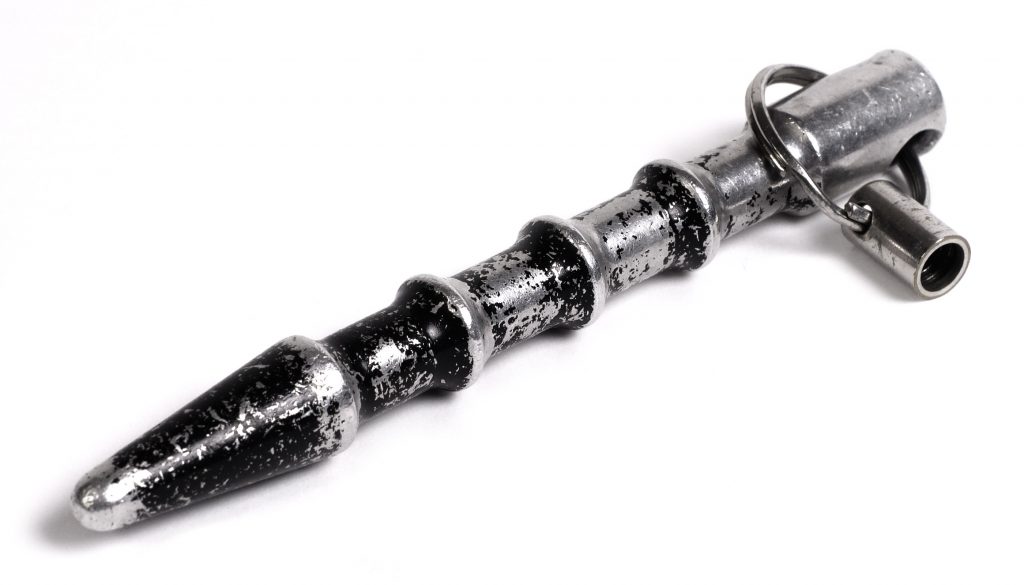
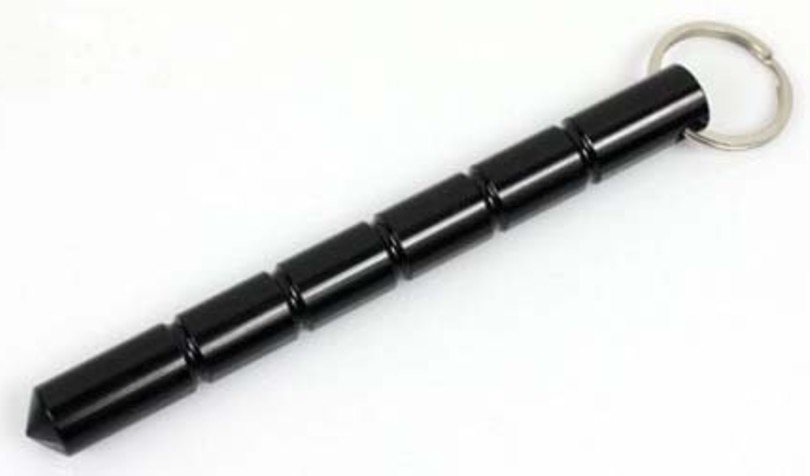
What if the keychain in your pocket could become your first line of defense? If you've been searching for a compact, discreet, and legal way to protect yourself, learning how to use kubotan keychain tools is one of the most practical decisions you can make. A kubotan is a palm-sized cylindrical stick — about 5 to 6 inches long — that attaches to your keys and amplifies your striking power in close-range confrontations. Explore our full self-defense guides for tools that pair well with this one and build out a complete personal security strategy.
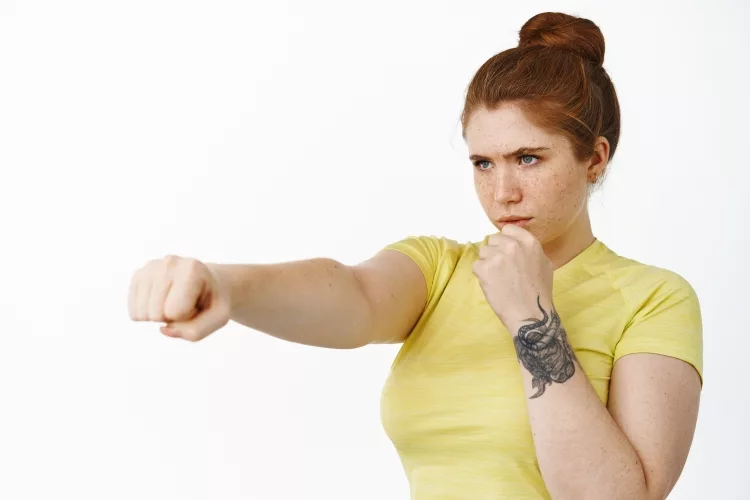
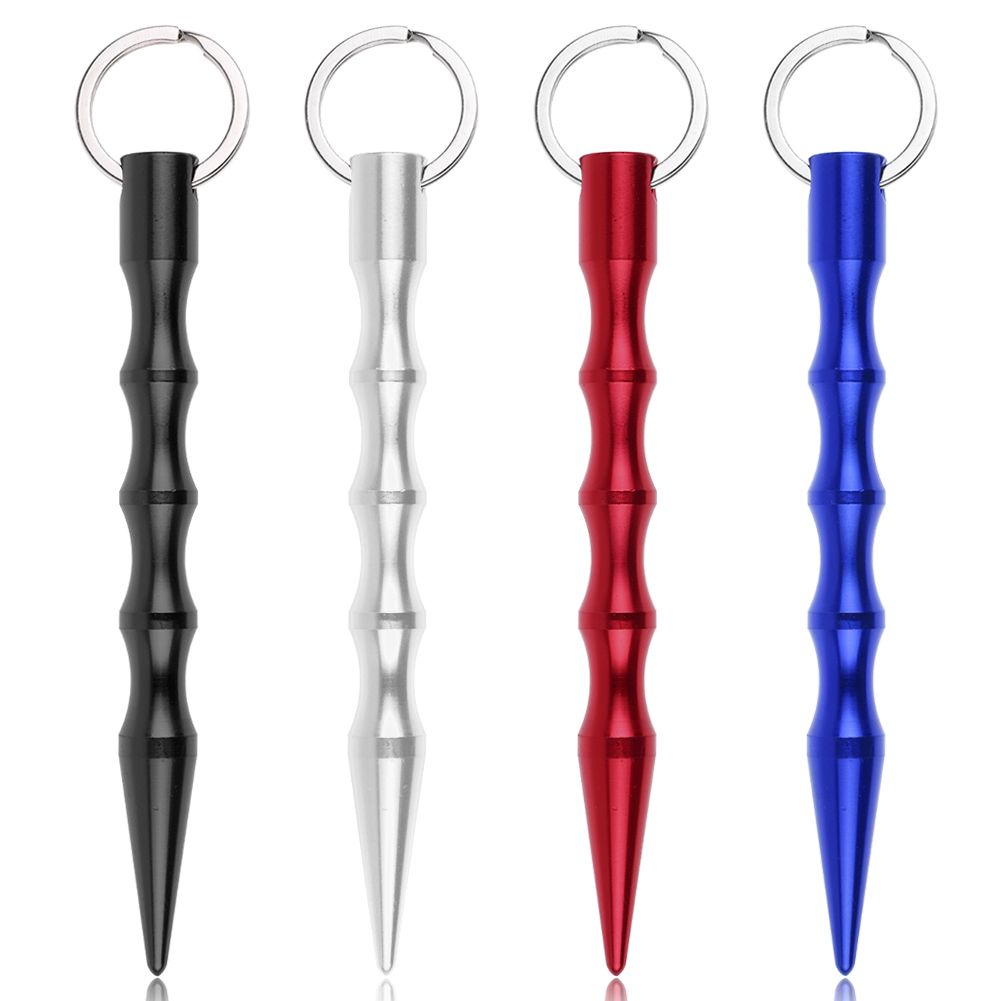
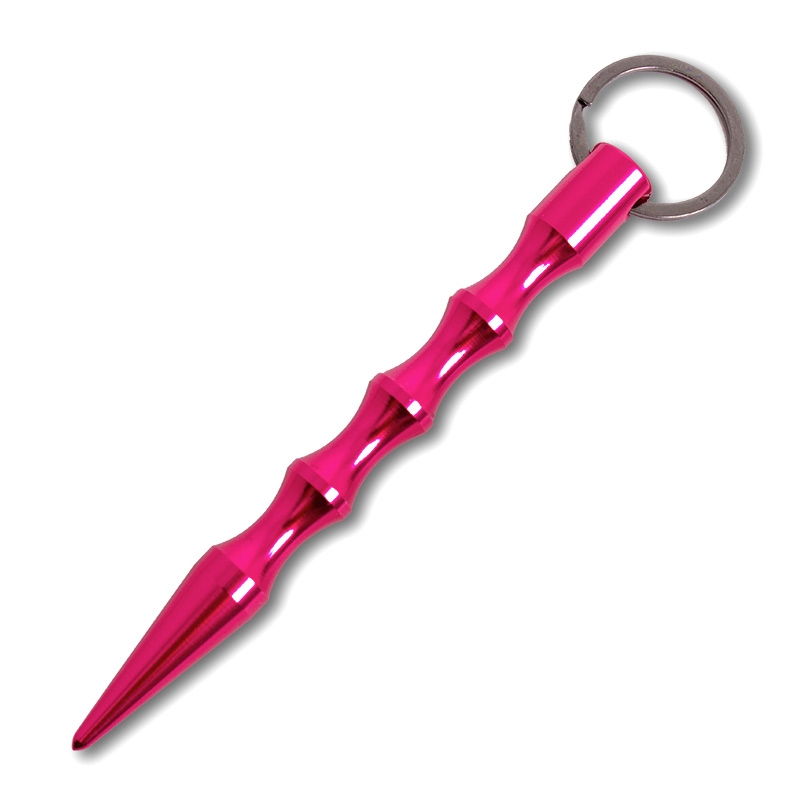
The kubotan was developed in the 1970s by Sōke Takayuki Kubota, a Japanese martial arts master who wanted a non-lethal option that ordinary people — particularly women — could carry and use without years of specialized training. Wikipedia notes the tool was originally designed for law enforcement before spreading widely into civilian self-defense. Today it comes in aluminum, steel, and hard polymer versions, with blunt ends, pointed tips, or finger grooves depending on the model.
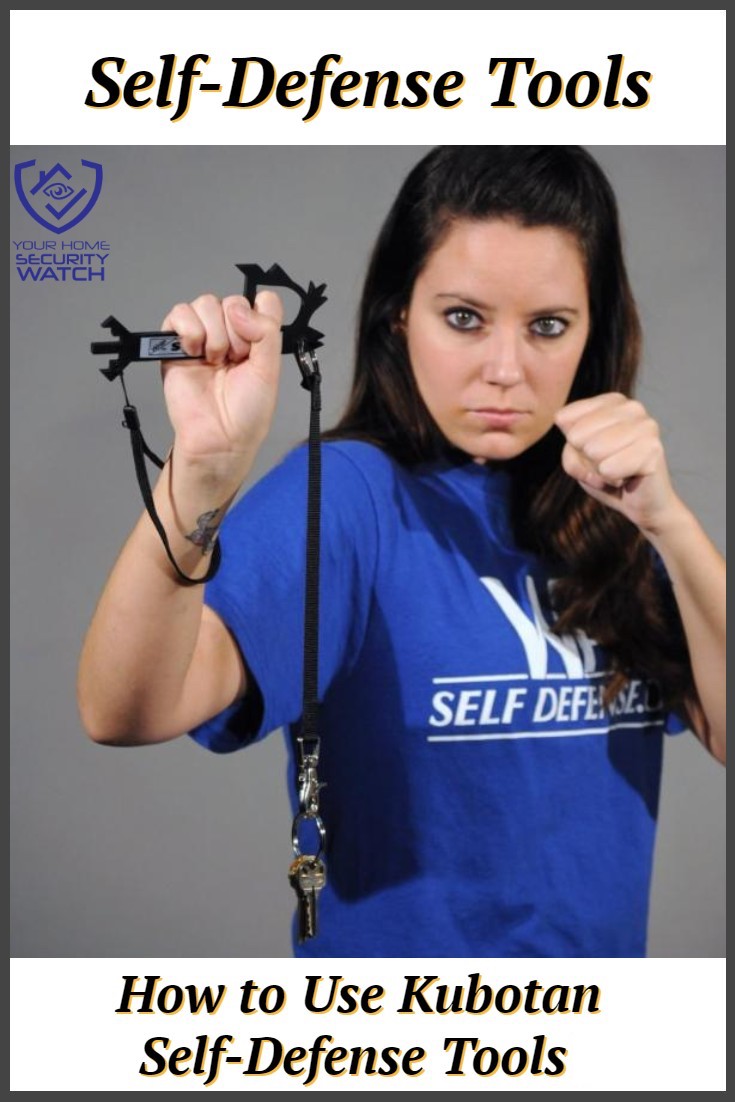
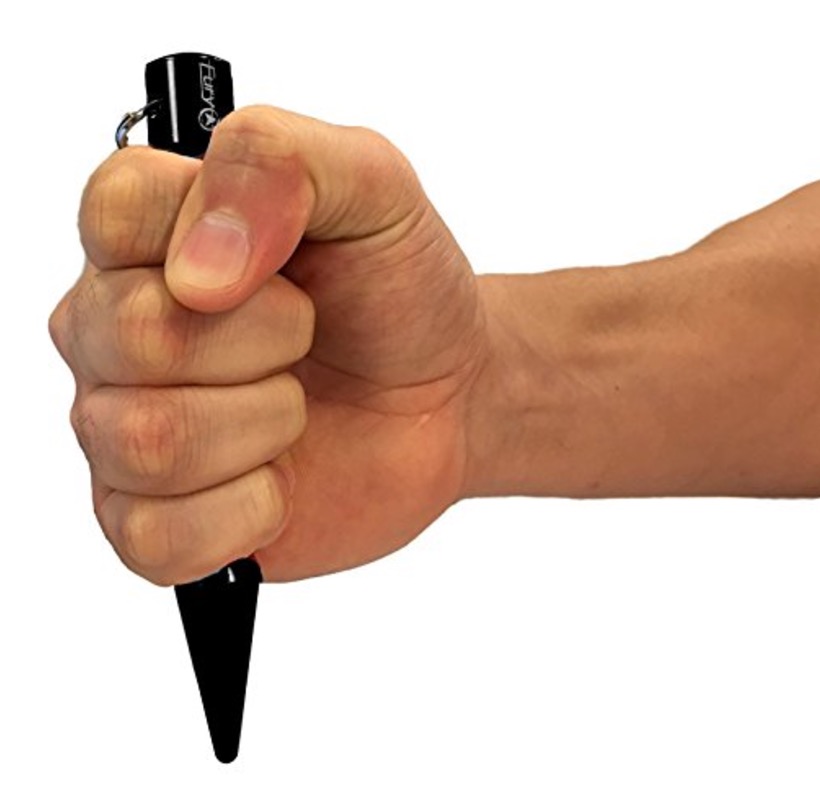
You grip it in your fist with the stick extending from one end, then use it to strike bony surfaces, press on pressure points (dense nerve clusters close to the skin's surface), or help control a wrist or joint. It sounds simple because it is — and that simplicity is exactly what makes it effective under the kind of stress that collapses fine motor skills.
Contents
- When to Use Your Kubotan Keychain — and When to Walk Away
- Real-World Accounts That Show What the Kubotan Can Do
- The Honest Trade-Offs of Carrying a Kubotan
- How the Kubotan Stacks Up Against Other Personal Defense Tools
- Building Skills That Hold Up When It Matters
- Keeping Your Kubotan Ready for the Moment You Need It
- Frequently Asked Questions
- Next Steps
When to Use Your Kubotan Keychain — and When to Walk Away
Knowing when to deploy a self-defense tool matters just as much as knowing how to use it. The kubotan is purpose-built for one specific scenario: a close-range confrontation where you're within arm's reach and you need to create enough disruption to escape. It is an escape tool, not an offensive weapon.
Situations Where the Kubotan Shines
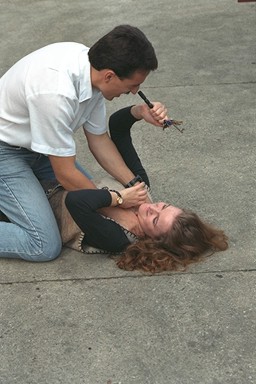
Use your kubotan when someone grabs you by the wrist, arm, or clothing. A sharp strike to the back of the hand or firm pressure on the radial nerve (the nerve running along the outer forearm) breaks most grips almost immediately. It's equally effective when you're pinned against a wall or car, because you don't need swinging room — the concentrated tip does the work with minimal movement. In a parking structure, on a trail, or anywhere escape isn't immediately possible, the kubotan gives you the disruption you need to create an opening and run.
Times to Choose a Different Tool
The kubotan is not built for distance. If your attacker is more than a few feet away, tools like pepper spray — which reaches 10 to 15 feet — serve you far better. Also avoid deploying it in crowded public spaces where you can't clearly identify the threat, or in situations where de-escalation is still possible. Using it inappropriately, even in what feels like self-defense, can create serious legal complications. Know your local laws before you ever carry one.
Warning: In several U.S. states and some countries, pointed kubotans are classified as prohibited weapons. Always verify your local regulations before purchasing or carrying any model with a spike or sharpened tip.
Real-World Accounts That Show What the Kubotan Can Do
You don't have to take the kubotan's effectiveness on faith. Documented instructor reports and real-world accounts consistently show this tool performing exactly as designed — not as a fight-winner, but as an escape enabler.
The Parking Lot Scenario
One of the most frequently cited real-world uses involves a woman grabbed from behind in a parking structure. Because she had practiced the motion repeatedly at home, she instinctively drove the tip of her kubotan into the attacker's hand and raked it down his forearm. He released her immediately. She didn't overpower him — she simply created enough pain to break the grip and run. This is the kubotan working exactly as intended: not a fight, just an exit.
The Wrist-Grab Defense
In a widely demonstrated training scenario, self-defense instructors show how moderate kubotan pressure applied to the back of the hand can bring a much larger person to their knees in seconds. The bones and nerves in the hand sit close to the surface, making this one of the highest-value pressure point targets on the body. Force multiplication — not physical strength — is the core value of this tool. For women especially, that distinction is critical. Our guide on self-defense tools designed for women covers additional options that follow the same principle.
The Honest Trade-Offs of Carrying a Kubotan
Every self-defense tool has real limitations alongside its strengths. The kubotan is no exception, and understanding both sides helps you decide whether it belongs in your everyday carry — and how to use it most effectively if it does.
What Works in Your Favor
The kubotan is legal in most U.S. states and many countries with no permit required. It's small enough to carry everywhere — in a pocket, a bag, or on your key ring — and because it looks like an ordinary fob, it doesn't draw attention in public. It never runs out of battery, requires no safety to disengage, and works in complete darkness. These are real advantages over electronic tools. A stun gun demands battery maintenance and a functioning charge; your kubotan is ready the moment you reach for it.
What You Need to Plan Around
The biggest limitation is range — you must already be in physical contact with your attacker. That means prevention and awareness are still your first line of defense; the kubotan handles the situation after those have failed. It also requires repetition to use correctly under stress. Untrained users frequently fumble their grip when adrenaline spikes. And if you carry a pointed model, legality becomes a real concern depending on your location. Plan around the limitations, and the tool becomes far more reliable.
How the Kubotan Stacks Up Against Other Personal Defense Tools
If you're building an everyday carry setup, a side-by-side comparison helps you see where the kubotan fits — and where a different tool covers the gaps it can't.
| Tool | Effective Range | Training Required | Battery Needed | Legal in Most Areas | Avg. Cost |
|---|---|---|---|---|---|
| Kubotan | Close contact only | Minimal (practice helps) | No | Yes (check spike laws) | $8–$25 |
| Pepper Spray | 10–15 feet | None | No | Yes (some restrictions) | $10–$35 |
| Stun Gun | Direct contact | Minimal | Yes | Restricted in some states | $20–$80 |
| Personal Alarm | N/A (deterrent) | None | Yes | Yes, universally | $8–$20 |
| Self-Defense Spike | Close contact only | Some recommended | No | Restricted in many areas | $10–$30 |
Reading the Comparison
The table makes the kubotan's niche clear: it's a close-range, battery-free, low-profile tool with a low price point and almost no barrier to carry. It doesn't replace pepper spray — it complements it. Many people carry both: spray handles distance, the kubotan handles the grab. For a thorough breakdown of spray options, our pepper spray buying guide covers the top performers across every price range.
Pro tip: Pair your kubotan with a secondary tool like pepper spray — one covers close contact, the other handles distance, and together they address most real-world threats without adding bulk to your carry.
Building Skills That Hold Up When It Matters
Owning a kubotan without practicing with it is like buying a fire extinguisher and never reading the instructions. The mechanics are simple, but your body needs to know the motions before an emergency — not during one. Stress narrows focus and degrades fine motor control. The only answer is repetition before the situation arises.
Where to Learn Proper Technique

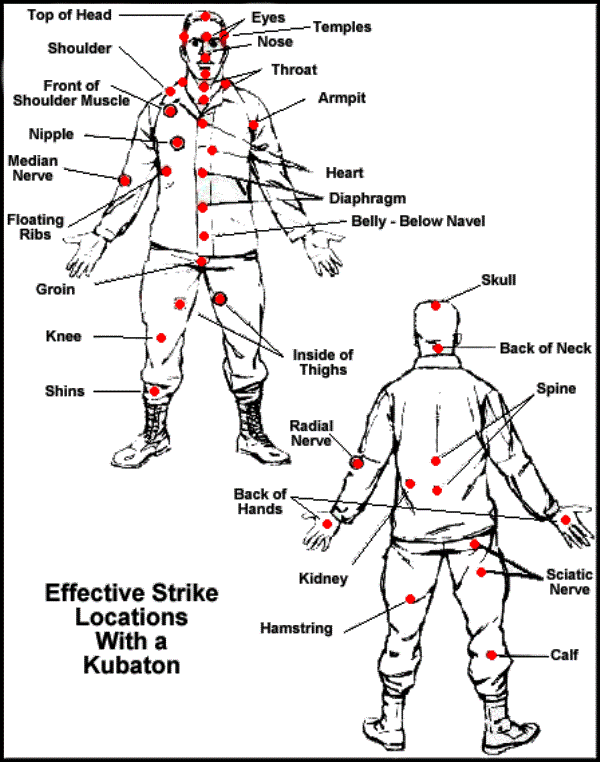
Look for self-defense classes that specifically include kubotan or small-weapon instruction. Many Krav Maga studios (Krav Maga is a practical self-defense system built for real-world situations, not sport competition) incorporate kubotan work into their curriculum. If in-person classes aren't available in your area, there are reputable video courses from certified instructors online. Focus on grip transitions — moving fluidly between the hammer grip (stick extending from your pinky side) and the ice-pick grip (stick extending from your thumb side) — and on targeting the hand, forearm, shin, and knee.
Drilling at Home Without a Partner
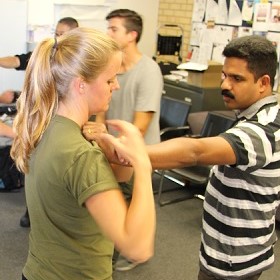
Solo practice is underrated. Spend five minutes each day drawing your kubotan from your pocket or bag and establishing a firm grip from a cold start. Practice striking a folded towel to feel the mechanics of the tip under load. Work on the wrist-escape combination by grabbing your own wrist with your opposite hand, then going through the motion of applying pressure to the back of your simulated attacker's hand. Muscle memory — the brain's ability to execute a movement automatically after enough repetition — is what keeps you functional when adrenaline takes over. Ten focused reps a day is worth more than an occasional two-hour session.
Keeping Your Kubotan Ready for the Moment You Need It
A neglected kubotan is a liability. If yours is corroded, cracking, or clipped to a failing key ring, it can fail you at the worst possible time. Fortunately, maintenance is minimal — the tool is deliberately simple.
A Simple Maintenance Routine
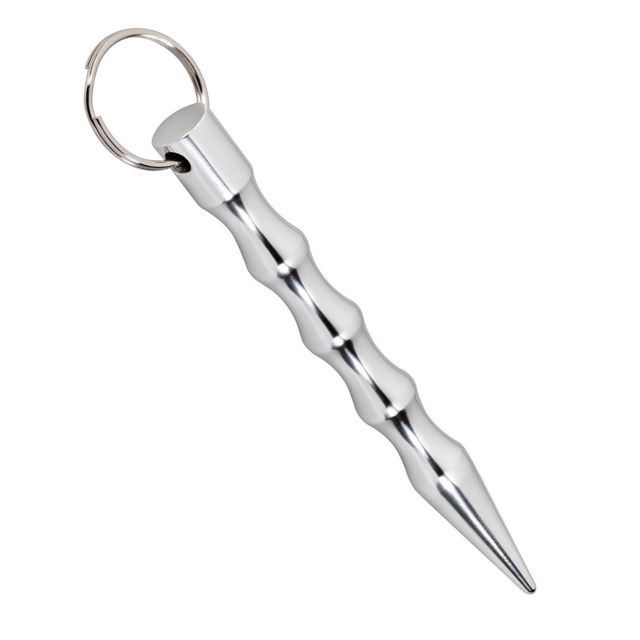
Aluminum and polymer models need almost no upkeep. Wipe them down occasionally with a damp cloth to remove skin oils and grime that reduce grip. For steel or pointed models, inspect the tip every few weeks for burrs (small, rough edges created by impact or wear) that could snag on fabric when you reach for it quickly. Check the key ring attachment every few months — a cheap split ring that corrodes or bends open is the most common point of failure, and it costs almost nothing to replace before it becomes a problem.
Knowing When to Replace It
Replace your kubotan immediately if the body cracks, if the grip texture wears smooth, or if the attachment point bends out of shape. For polymer models, prolonged UV exposure and heat cycles — like sitting in a hot car through a full summer — can degrade the material faster than you'd expect. A quality aluminum or steel kubotan holds up for years with basic care. A no-name $5 model may not withstand a single real-world impact. Invest in a reputable brand from the start; this is a tool you're trusting with your safety.
Frequently Asked Questions
Is a kubotan legal to carry?
In most U.S. states and many countries, a standard blunt kubotan is legal to carry without a permit. However, pointed or spiked models are restricted or outright prohibited in several jurisdictions. Always check your state and local laws before purchasing — and if you travel, verify the rules for your destination as well. Ignorance of the law is not a legal defense.
Do I need martial arts training to use a kubotan effectively?
You don't need a black belt, but you do need practice. The basic techniques — grip establishment, forearm strike, and pressure point application — are straightforward. The challenge is executing them automatically under stress. Even fifteen minutes of deliberate practice per week, repeated consistently, builds the muscle memory you need for the tool to be reliable when it counts.
Where are the best places to strike with a kubotan?
The most effective targets are bony or nerve-dense areas close to the surface of the skin: the back of the hand, the outer forearm (radial nerve), the shin, the knee, and the collarbone. These targets produce immediate pain responses without requiring significant force. Avoid targeting the head or throat in a self-defense situation, as strikes to those areas can cross legal lines quickly.
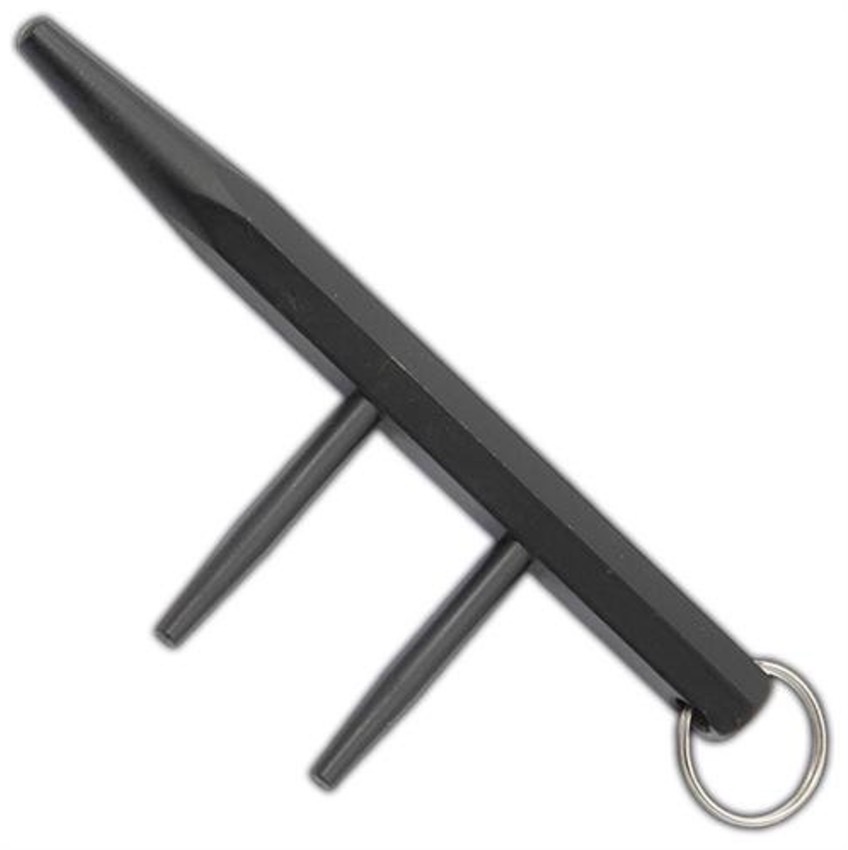
What's the difference between a kubotan and a self-defense spike?
A kubotan is typically cylindrical with a blunt or slightly rounded tip, designed primarily for striking and pressure point use. A self-defense spike has a sharp or tapered point and is designed to penetrate or rake skin. Spikes are considered more aggressive tools, are restricted in more locations, and carry higher legal risk if used. For most people carrying for personal protection, a standard blunt kubotan is the safer and more legally defensible choice.
Next Steps
- Check your local and state laws right now to confirm which kubotan models are legal in your area before purchasing anything.
- Choose a quality aluminum or steel blunt kubotan from a reputable brand and attach it to the key ring you carry every single day.
- Practice drawing and gripping your kubotan from a cold start for five minutes daily until the motion is completely automatic.
- Sign up for a local Krav Maga or self-defense class that includes small-weapon or kubotan instruction to learn proper striking and pressure point technique from a qualified instructor.
- Pair your kubotan with a complementary distance tool — review our stun gun guide to find an option that fits your lifestyle and covers the range gap the kubotan can't reach.


About Robert Fox
Robert Fox spent ten years teaching self-defence in Miami before transitioning into home security consulting and writing — a background that gives him an unusually practical, threat-aware perspective on residential security. His experience spans physical security assessment, lock and alarm system evaluation, and the behavioral habits that make homes harder targets. At YourHomeSecurityWatch, he covers home security product reviews, background check and criminal records resources, and practical guides on protecting your property and family.
You can Get FREE Gifts. Furthermore, Free Items here. Disable Ad Blocker to receive them all.
Once done, hit anything below