Roughly 35 million pocket doors are installed in American homes, yet fewer than 10 percent of homeowners replace the factory-installed lock hardware before a privacy incident forces their hand. If you have a sliding pocket door in your bathroom, bedroom, or home office, the lock mechanism is probably the most overlooked component in the entire door assembly — and in 2026, there is no excuse for living with a flimsy, rattling latch that anyone can defeat with a coin or a butter knife. The good news is that upgrading your pocket door lock takes less than 30 minutes and costs far less than replacing the door itself.

Pocket door locks differ fundamentally from standard door hardware because the door slides into the wall rather than swinging on a hinge, which means the locking mechanism must be thin, recessed, and designed to grip a stationary door edge rather than a rotating bolt. You are dealing with a mortise-style body, a thumb-turn or snib on one side, and an emergency release or pull on the other — and the tolerance between the door and the frame is tight enough that a poorly made lock will bind, rattle, or fail within months. Choosing the right one means understanding door thickness, backset measurements, and whether you want a mechanical turn-button or a magnetic engagement system.
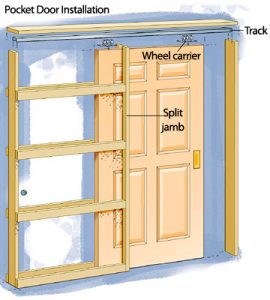
In this guide, reviewed and updated for 2026, you will find detailed breakdowns of the seven best pocket door locks available right now, a comprehensive buying guide that covers every spec that matters, and honest answers to the questions homeowners ask most often. Whether you are replacing worn-out hardware on a 1990s bathroom door or selecting a lock for a brand-new home office build, you will leave this page knowing exactly which product to order. You can also browse our full hardware and security reviews for related product categories.
Contents
- Our Top Picks for 2026
- Product Reviews
- Schlage 991 Solid Brass Privacy Pocket Door Lock
- Kwikset 335 Round Bed/Bath Pocket Door Lock
- Emtek Modern Rectangular Privacy Pocket Door Mortise Lock
- Hoconnie 6.3" Privacy Pocket Door Lock with Key
- Cavilock CL400B Magnetic Privacy Pocket Door Pull Set
- Johnson Hardware Brushed Nickel Pocket Door Privacy Lock
- Prime-Line N 6771 Pocket Door Privacy Lock with Pull
- Key Features to Consider When Choosing
- Common Questions
- Next Steps
Our Top Picks for 2026
- #PreviewProductRating
- Bestseller No. 1
 Rating:

- Bestseller No. 2
 Rating:
 - Bestseller No. 3
 Rating:
 - Bestseller No. 4
 Rating:
 - Bestseller No. 5
 Rating:
 - Bestseller No. 6
 Rating:
 - Bestseller No. 7
 Rating:

Product Reviews
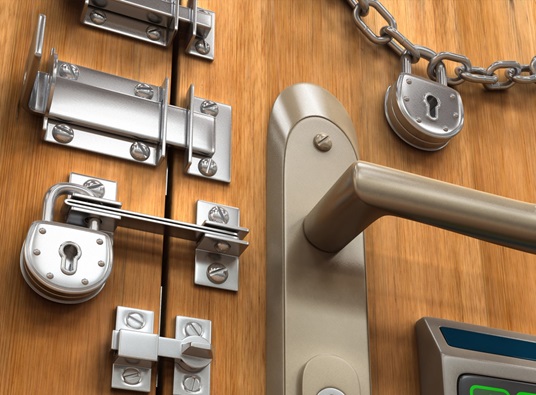
The seven products below represent the strongest options across every price tier and use case in 2026, from a budget brass replacement that installs in ten minutes to a premium magnetic-engagement system that delivers spa-level smoothness. Each review covers real-world performance, build quality, and the specific scenarios where that lock earns its spot on the list.
1. Schlage 991 Solid Brass Privacy Pocket Door Lock — Best Overall
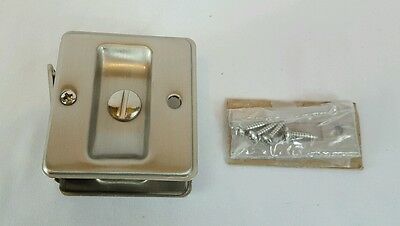
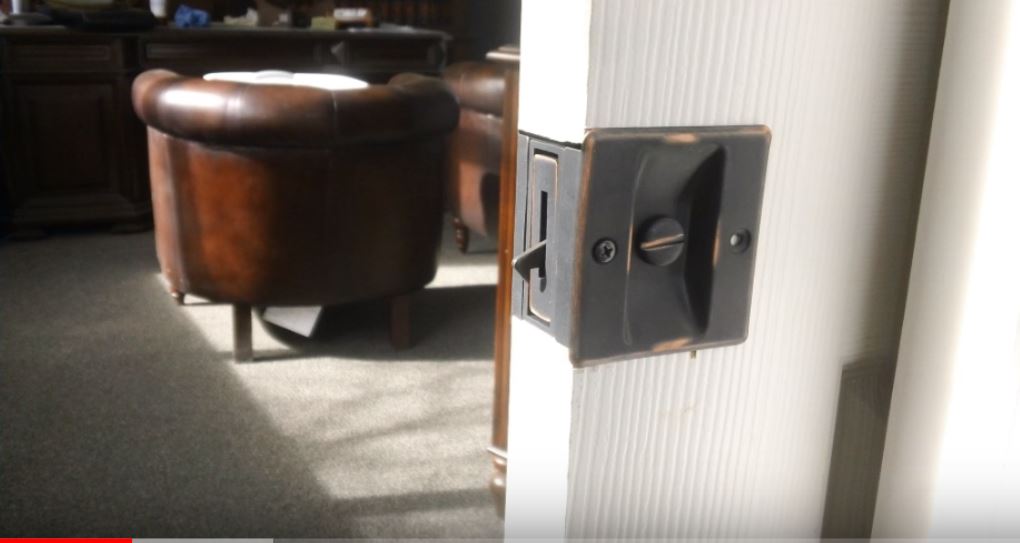
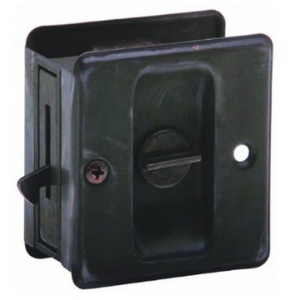
Schlage has been the benchmark name in residential and commercial locking hardware for well over a century, and the 991 series in matte black delivers exactly what you expect from that pedigree — a solid brass body that resists corrosion over decades of use, precise machining that keeps the latch aligned even after thousands of cycles, and a matte black finish that reads as premium in modern and transitional interiors alike. The locking mechanism uses a thumb-turn on the privacy side and an emergency release slot on the corridor side, so a family member or first responder can open the door from outside using a coin or a small flathead screwdriver, which is an important safety feature that cheaper locks omit entirely.
Installation fits the standard pocket door edge prep without requiring you to cut a new notch or enlarge the mortise pocket, and Schlage includes every piece of hardware you need in the box along with clear written instructions that make the job straightforward even if you have never swapped pocket door hardware before. The engagement feel is noticeably firm and positive compared to budget alternatives — when you turn that thumb button, the lock seats with authority rather than the mushy travel you get from thin stamped-metal competitors. If you are selecting a single lock and want zero regrets in 2026, this is the one.
Pros:
- Full solid brass construction for corrosion resistance and long service life
- Matte black finish suits modern, farmhouse, and transitional interiors
- Emergency release slot allows outside entry with a coin — critical safety feature
- Fits standard door prep — no new mortise cutting required
Cons:
- Premium pricing places it above budget replacement options
- Matte black only — limited finish options in this specific listing

2. Kwikset 335 Round Bed/Bath Pocket Door Lock — Best Value
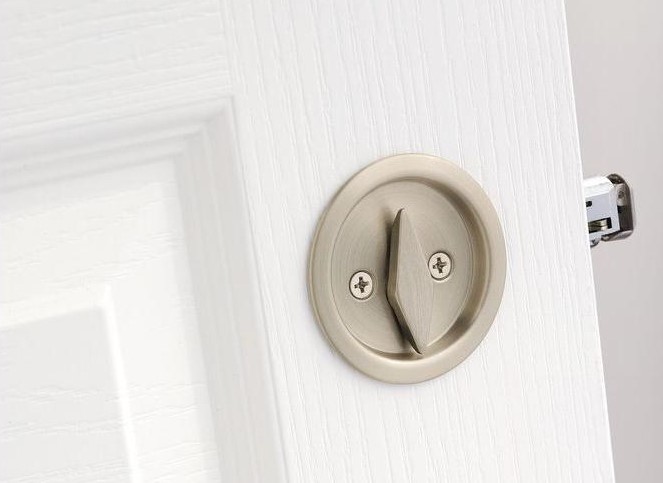
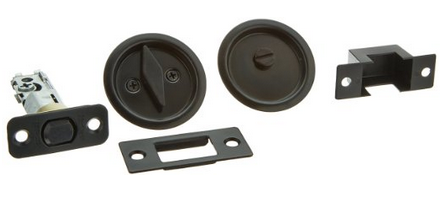
The Kwikset 335 is the most widely installed pocket door privacy lock in North America, and its staying power comes down to one brilliant design decision — the round locking body eliminates the need to cut a new notch in your door edge, which means you can drop this into an existing standard door preparation and be finished in under 15 minutes. The satin chrome finish is a neutral choice that pairs with brushed nickel and polished chrome fixtures without looking mismatched, and the adjustable 2-3/8 inch latch backset accommodates all standard door prep dimensions without shimming or modification. Kwikset designed this specifically for bedroom and bathroom applications, so the privacy mechanism is dead simple — turn the button inside and the door is locked, push the emergency pin from outside and it releases.
The build quality is honest rather than exceptional — zinc alloy rather than solid brass, with plating that holds up well in low-humidity interior environments but will show wear faster in a steamy master bathroom if the ventilation is poor. For the price point, however, you are getting a brand-name product with reliable tolerances, a known replacement parts ecosystem, and the confidence that comes from Kwikset's decades-long track record in residential hardware. This is the lock you specify when you have multiple doors to outfit and budget discipline matters — it performs its job without drama and replaces without fuss when the time comes. If you are interested in the broader category of high-security residential hardware, our guide to the best high security door locks covers complementary products for your exterior doors.
Pros:
- Round body fits existing standard door prep — no new notch required
- Adjustable 2-3/8" latch backset fits all common door dimensions
- Reliable brand with a vast replacement parts ecosystem
- Fast and straightforward DIY installation
Cons:
- Zinc alloy body rather than solid brass — less durable in humid bathrooms
- Finish may show wear faster than premium alternatives
3. Emtek Modern Rectangular Privacy Pocket Door Mortise Lock — Best for Modern Interiors
Emtek's Modern Rectangular mortise lock is the choice you make when the door hardware needs to look like it was specified by an architect rather than picked up at a home center, and the 7-1/4 inch rectangular profile delivers a clean, geometric aesthetic that complements contemporary interiors with large-format tile, frameless glass, and linear fixtures. The oil rubbed bronze finish is a living finish (meaning it develops a natural patina over time) that works beautifully in transitional and industrial-modern spaces where flat black would feel too stark and polished chrome would feel too cold. Emtek builds this lock to fit all standard door sizes, but they do require you to specify your door dimensions at the time of ordering, which prevents the sizing mismatches that generate most negative reviews for mortise pocket hardware.
The locking mechanism is a privacy mortise body — a thumb-turn on the room side and an emergency-release pin slot on the corridor side — with the kind of precise machining that you feel the moment you engage the turn. There is no play, no rattle, and no sticky travel, which is a meaningful quality indicator on a product that will cycle thousands of times over a decade. The installation requires a bit more care than a round pull-style lock because the rectangular mortise pocket must be cut precisely to dimension, but Emtek supplies detailed templates and instructions that make the process accessible to a competent DIYer with basic router or chisel skills. This is also a good companion to our best mortise lock guide if you want to understand the full range of mortise hardware options for other doors in your home.
Pros:
- Architectural rectangular profile suits modern and contemporary interiors
- Oil rubbed bronze living finish develops rich patina over time
- Precise machining — zero play and zero rattle in engagement
- Fits all standard door sizes when ordered with correct dimensions
Cons:
- Must specify door dimensions at order time — no simple drop-in fit
- Requires accurate mortise routing — not as beginner-friendly as round-body locks
4. Hoconnie 6.3" Privacy Pocket Door Lock with Key — Best with Keyed Entry
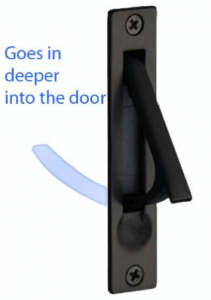
Most pocket door locks use a simple thumb-turn or snib with an emergency coin release, but the Hoconnie stands apart because it includes an actual keyed cylinder — copper keys included — giving you the ability to lock and unlock the door from either side using a physical key, which is a significant advantage for home offices, rental properties, or any space where a privacy-only mechanism is not enough. The 6-5/16 inch body is recessed flush into the door edge, creating a truly invisible profile from both sides that leaves your door face completely clean — no visible hardware interrupting the surface, just a small knob that tucks neatly away. The zinc alloy panel carries a black anti-corrosion powder coat finish that resists the dust, humidity, and cleaning products that a bathroom or kitchen door encounters daily.
The door thickness range of 1-7/16 to 1-15/16 inches (35mm to 45mm) covers virtually every US standard interior door, and the non-handed design means it works on both left and right-opening configurations without ordering a separate version. The sturdy thickened knob design gives your fingers a confident grip even with wet or soapy hands, which matters more than most lock buyers anticipate when they are standing in a steamy bathroom. Wide application is a genuine claim here — the lock works equally well on pocket doors, sliding barn doors, cabinet doors, and patio doors, giving you flexibility if you are outfitting multiple sliding surfaces in a single project.
Pros:
- Keyed cylinder provides actual lockable entry from both sides — not just privacy
- Recessed flush panel creates zero-profile appearance on door face
- Copper lock cylinder and keys for superior corrosion resistance
- Works on 35mm–45mm door thickness — covers all US standard interior doors
- Non-handed — fits left and right-opening doors without modification
Cons:
- Key management becomes a consideration in shared-household environments
- Installation is more involved than simple pull-type replacements
5. Cavilock CL400B Magnetic Privacy Pocket Door Pull Set — Best Magnetic System
The Cavilock CL400B is the most innovative product on this list because it replaces the mechanical latch entirely with high-powered magnets that hold the door shut with silent, effortless authority — there is no bolt to throw, no latch to engage, and no mechanical resistance to feel when you slide the door closed. You slide the small snib (a slim lever on the door face) to engage the magnetic field, and the door stays firmly in position against powerful pulling force until you slide the snib back. The result is a pocket door experience that feels genuinely premium — the kind of smooth, soundless operation that you would find in a high-end hotel suite or a custom-built residential project.
The solid brass faceplate provides corrosion resistance and longevity that matches the premium price point, and the satin nickel finish is a versatile neutral that pairs with brushed nickel, chrome, and matte finishes across a wide range of fixture styles. This specific listing is configured for left-handed doors (the interior of the room is on your left when you stand in the doorway) with an RH emergency snib, so you need to confirm your door hand before ordering — Cavilock offers multiple configurations and getting this wrong means a return. The CL400B fits 1-3/8 inch thick doors specifically, which covers most standard interior applications; thicker doors require the appropriate model variant.
Pros:
- Magnetic engagement delivers silent, frictionless door closure
- Solid brass faceplate for long-term corrosion resistance
- Premium feel that outclasses every mechanical alternative
- Emergency snib allows outside release without a coin
Cons:
- Left-handed door specific — must confirm door hand before ordering
- Fits 1-3/8" doors only — thicker doors need a different model
- Premium pricing is the highest on this list
6. Johnson Hardware Brushed Nickel Pocket Door Privacy Lock — Best Made in USA
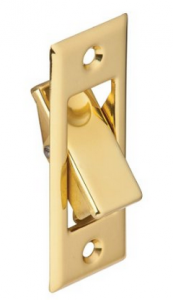
Johnson Hardware is one of the oldest names in pocket door systems — they manufacture the track-and-frame assemblies that many builders specify by name on architectural plans, so it makes sense that their privacy lock hardware integrates seamlessly with pocket door frames installed over the last four decades. The brushed nickel finish is manufactured in the United States, which remains a meaningful differentiator in 2026 for buyers who prioritize domestic manufacturing, consistent quality control, and supply chain reliability. The lock is designed to drop into the standard Johnson Hardware door prep and pairs naturally with their complete pocket door system if you are building new or doing a full pocket door frame replacement.
The product earns its spot on this list through reliability and system compatibility rather than flashy features — it is a straightforward privacy lock with a thumb-turn and emergency release that works exactly as described, fits the door prep it was designed for without modification, and carries the quality assurance of a manufacturer that has been building pocket door hardware since long before it became a trendy interior design choice. For homeowners who already have Johnson Hardware track systems installed, this is the most logical lock choice because the tolerances are matched from the factory and the installation is designed to be seamless.
Pros:
- Made in the United States — domestic quality control and supply chain
- Designed to integrate seamlessly with Johnson Hardware pocket door systems
- Brushed nickel finish suits a broad range of interior styles
- Reliable brand with a long track record in pocket door hardware
Cons:
- Best suited for existing Johnson Hardware frame installations — less universal
- Limited finish options in this product line
7. Prime-Line N 6771 Pocket Door Privacy Lock with Pull — Best Budget Replacement
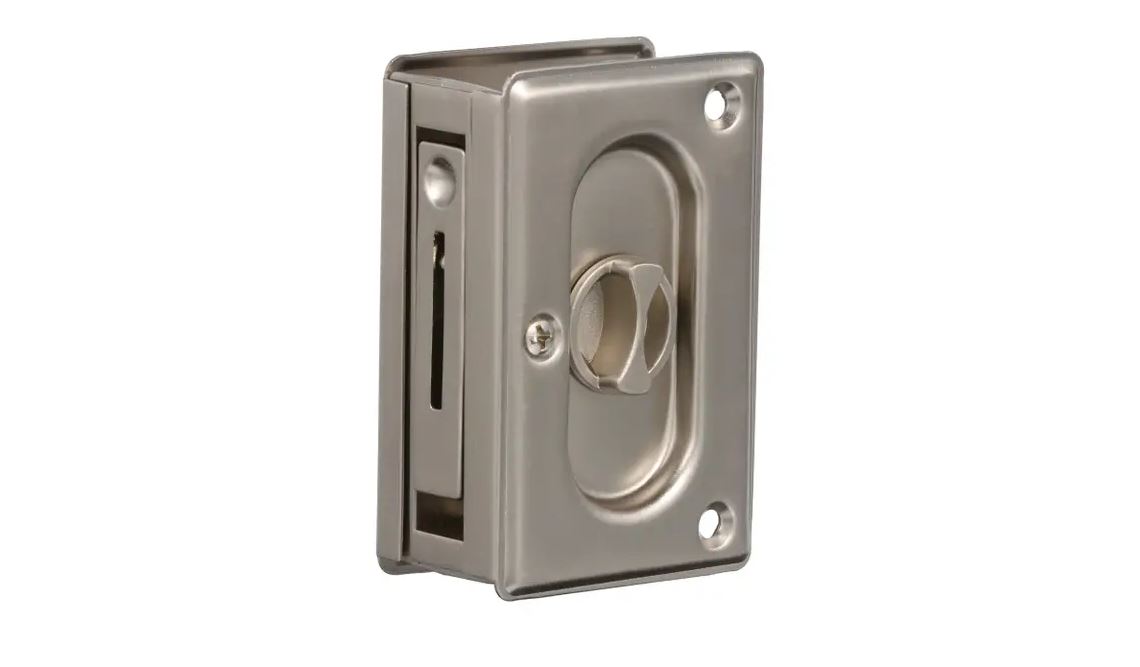
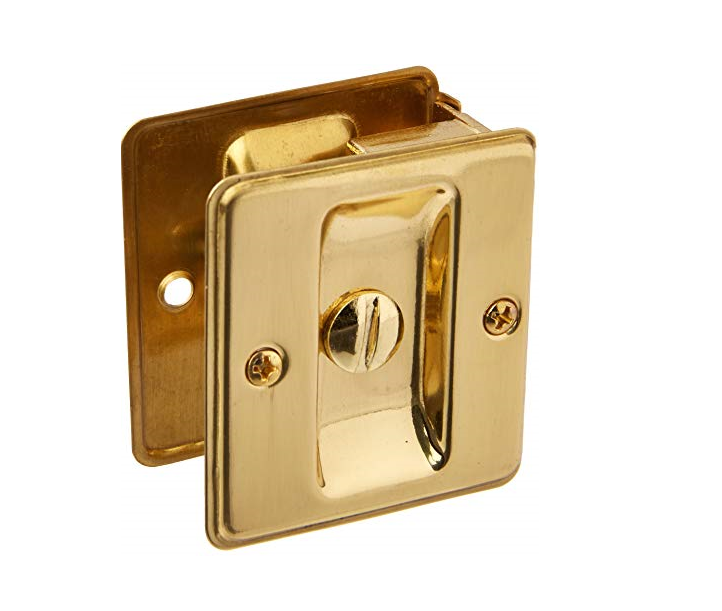
When your existing pocket door lock is broken, rattling, or simply worn out and you need a functional replacement today without spending a lot of money, the Prime-Line N 6771 is the answer — it is a deluxe direct-replacement lock with a wide easy-grip pull that installs in standard door preps on both left and right-handed doors without any modification, and it ships with all hardware and instructions needed to complete the job in one session. The brass finish suits traditional and colonial interiors, and the non-handed design means you order one SKU for your entire house rather than figuring out which direction each door faces before adding to cart.
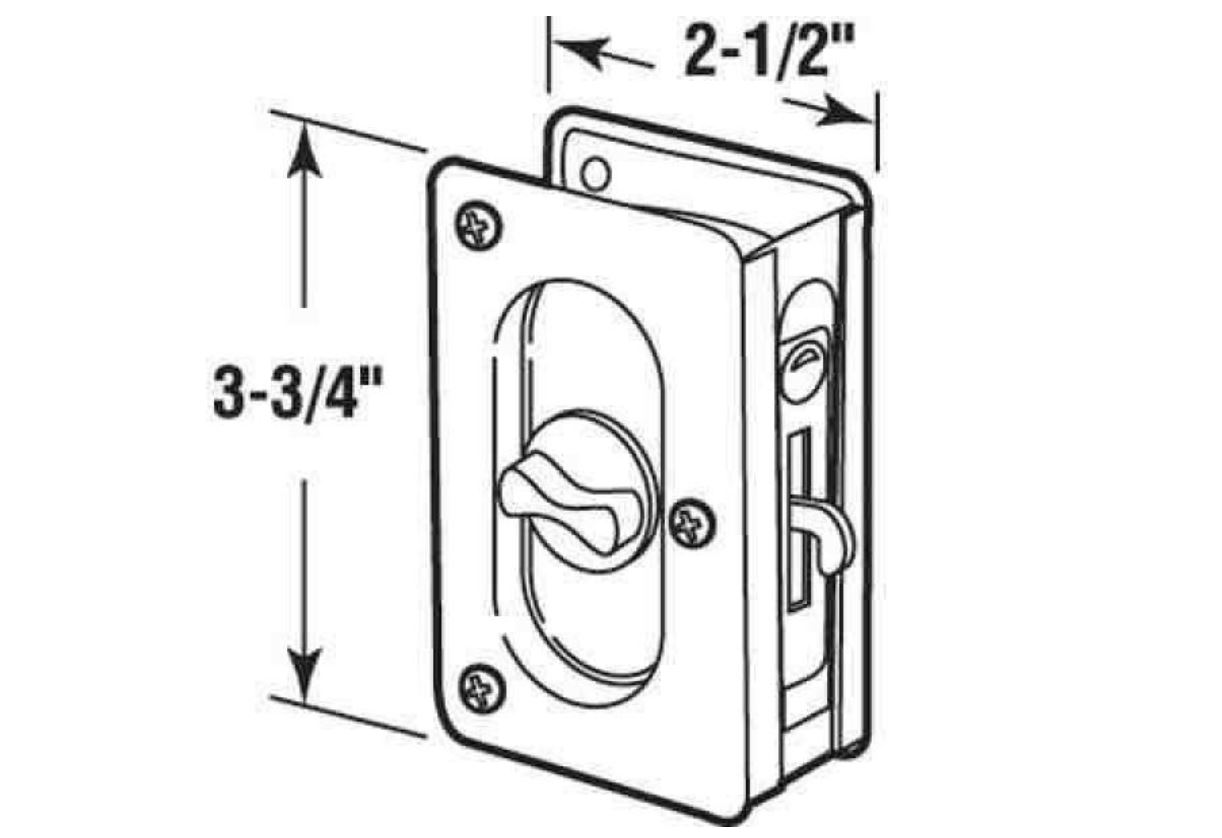
Prime-Line focuses this product squarely on the replacement market — the people who just need the bathroom door to lock properly again without a renovation budget or a trip to a specialty hardware store. The build quality is honest budget-tier hardware, which means the materials are thinner and the finish will wear faster than the Schlage or Cavilock options, but the mechanism operates reliably and the price makes it accessible enough to buy extras and keep one in the drawer. For rental properties, vacation homes, or guest bathrooms where the premium aesthetic is not a priority, this is the most practical choice on the list.
Pros:
- Fast drop-in replacement for most existing standard pocket door preps
- Non-handed — works on left and right doors without modification
- Wide easy-grip pull design is comfortable for all hand sizes
- All hardware and instructions included — no additional purchases required
Cons:
- Budget-tier construction — not suitable as a long-term luxury upgrade
- Brass finish shows wear faster than premium alternatives in high-humidity rooms
Key Features to Consider When Choosing a Pocket Door Lock
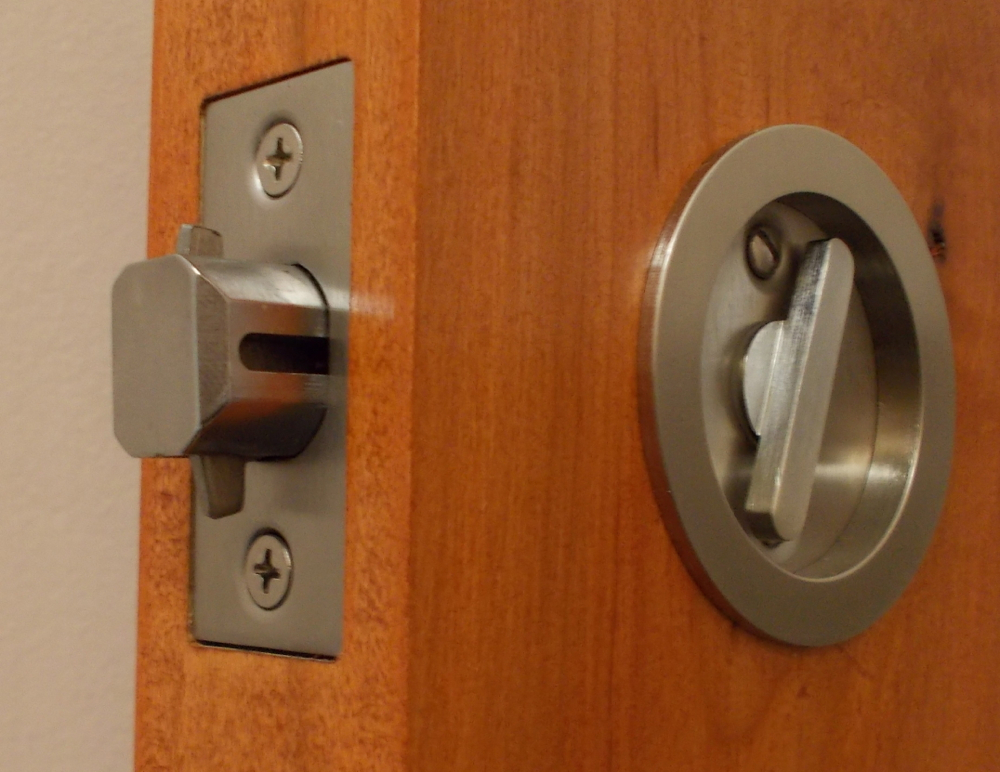
Buying a pocket door lock is not like buying a deadbolt — you cannot just grab a hardware kit off the shelf and expect it to fit. The dimensions, mechanism type, and door thickness tolerance matter in ways that many first-time buyers discover only after the box is opened. The sections below walk you through every specification that determines whether a lock will work in your specific door and situation.
Door Thickness and Mortise Dimensions
The single most important measurement you need before ordering any pocket door lock is your door thickness, and you measure this at the door edge where the hardware will install rather than in the middle of the panel. Standard US interior doors range from 1-3/8 inches to 1-3/4 inches thick, but older homes sometimes have non-standard dimensions that will reject hardware built for modern tolerances. Write down your door thickness and your existing mortise pocket dimensions (length, width, and depth) before you order anything — most product listings include a compatibility chart that tells you exactly which door dimensions the lock accepts. A lock that is a quarter-inch too long will split your door edge during installation, which is an expensive mistake to undo.

The backset measurement — the distance from the door edge to the center of the lock body — also matters for mortise-style locks, and the standard 2-3/8 inch backset covers most residential applications built after 1980. Older doors sometimes use a 2-3/4 inch backset, and specialty architectural locks like the Emtek can accommodate custom dimensions when ordered correctly. If you are replacing an existing lock and you have any doubt about the fit, take photographs of the door edge and the existing hardware with a tape measure visible in the frame before you order.
Mechanism Type: Thumb-Turn, Snib, or Magnetic
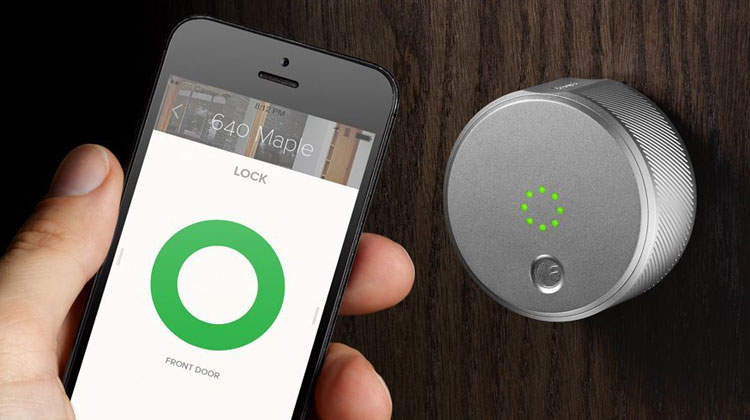
Pocket door locks use three fundamentally different mechanisms, and choosing the right one depends on where the door is installed and who uses it. The thumb-turn or turn-button (used by Schlage, Kwikset, and Prime-Line) is the most common design — you rotate a small button or lever inside the room and a latch engages against the door frame, holding the door closed. It is simple, reliable, and universally understood. The snib mechanism (used by Cavilock's magnetic system) slides rather than rotates, which creates a cleaner visual profile and is preferred in contemporary interiors. The magnetic system goes a step further by replacing the mechanical latch entirely with powerful magnets that hold the door shut without any moving bolt, which eliminates rattle, reduces mechanical wear, and creates an almost soundless door operation that feels genuinely luxurious.
For most residential applications — bathrooms, bedrooms, home offices — a thumb-turn privacy lock is the correct and most cost-effective choice. You should consider a keyed cylinder (like the Hoconnie) for a home office with sensitive documents, a nursery where childproofing matters, or a rental property where access control is a priority. A magnetic system is the right choice when the door is in a high-end application where the tactile experience of the hardware matches the quality of everything else in the room. If you want to explore how pick resistance applies to your broader home security setup, our review of the best pick resistant locks covers the relevant certifications and testing standards.
Material Quality and Finish Durability
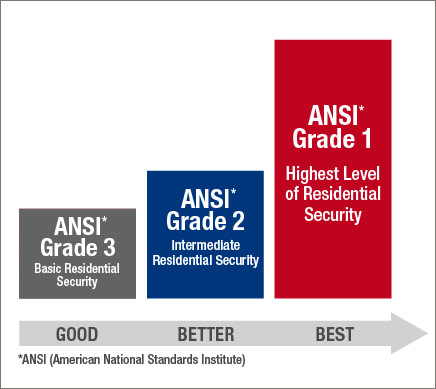
Lock materials are graded by ANSI/BHMA standards (the American National Standards Institute and Builder's Hardware Manufacturers Association) from Grade 1 (heaviest commercial duty) down to Grade 3 (light residential). Pocket door privacy locks for bedrooms and bathrooms typically fall in the Grade 2 to Grade 3 range because they are not security locks — their job is privacy, not forced-entry resistance. What matters most for pocket door hardware is corrosion resistance in humid environments and finish durability under daily use. Solid brass bodies outperform zinc alloy in both categories over a multi-year horizon, particularly in bathrooms where steam exposure accelerates surface degradation on plated zinc parts.

For finish selection, brushed nickel and matte black are the most durable options in 2026 because the surface texture hides fingerprints and minor scratches better than polished finishes, and the PVD (Physical Vapor Deposition) coating that most manufacturers apply to these finishes is significantly harder than electroplated alternatives. Oil rubbed bronze is a living finish that requires occasional maintenance with a mild wax to prevent uneven patina development, which some buyers embrace as a design element and others find maintenance-heavy. Polished chrome and polished brass are the highest-maintenance finishes because every fingerprint and water spot is immediately visible — beautiful in the showroom, demanding in a working bathroom.
Installation Complexity and Door Hand
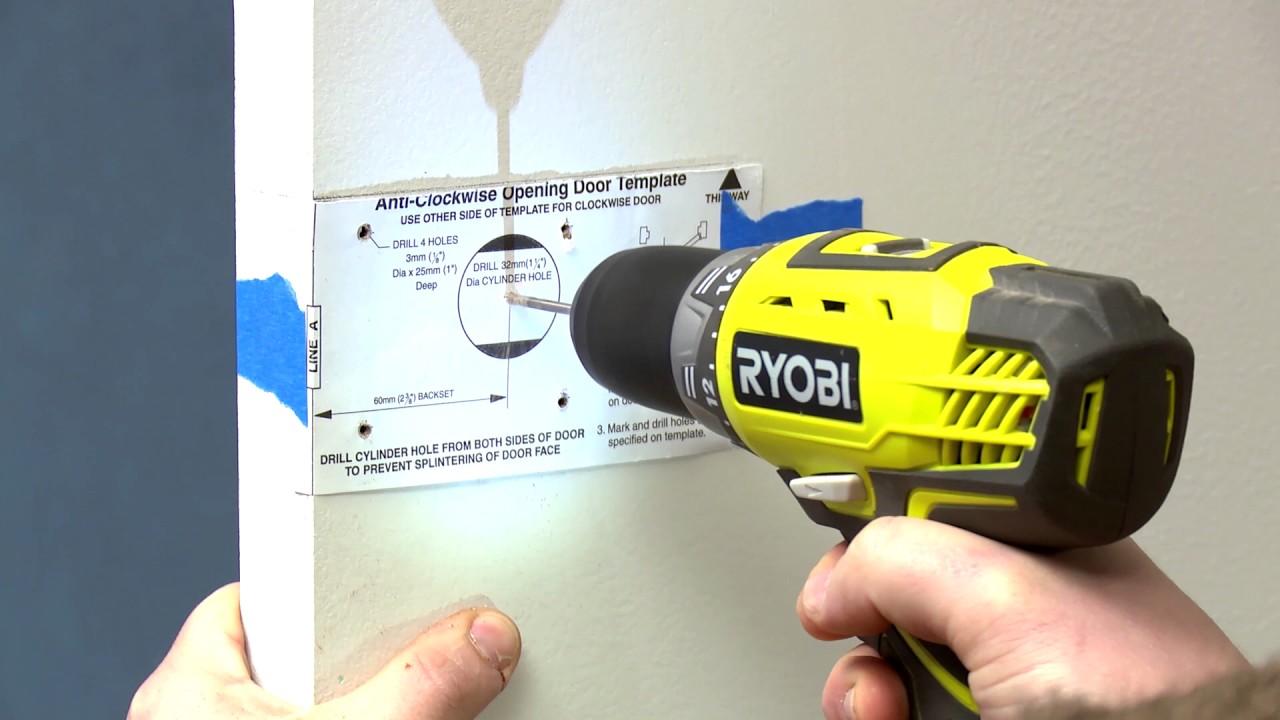

Direct-replacement locks — products like the Kwikset 335 and Prime-Line N 6771 that are designed to drop into existing door preps — require only basic tools and typically install in 15 to 20 minutes. New-construction or full-replacement installations that require mortise routing, like the Emtek, require a router with a straight bit or careful chisel work and a steady hand, plus accurate templating to ensure the mortise is centered and square. The Cavilock magnetic system is in a category of its own — the installation is more involved because the magnetic strike must be precisely positioned on the door frame to align with the magnets in the door body, and a misaligned strike will result in a door that does not seat fully closed.
Door hand is a term that describes which side of the door the locking mechanism faces from the room interior, and it matters for any lock that has a directional snib or handle. Non-handed locks — including the Kwikset 335, Hoconnie, and Prime-Line — work on both left and right configurations without modification, which simplifies ordering significantly. Handed locks like the Cavilock require you to determine whether your door is left-handed or right-handed before you order, and the simplest way to do this is to stand in the doorway facing the direction you would walk through — if the interior of the room is on your left, you have a left-handed door.

Common Questions
What is the difference between a privacy lock and a passage lock for pocket doors?
A privacy lock includes a locking mechanism — typically a thumb-turn button on the room side and an emergency coin release on the corridor side — that allows the occupant to secure the door from inside and prevent entry. A passage lock (also called a pull or edge pull) has no locking mechanism at all and simply provides a grip to slide the door open and closed. For bathrooms and bedrooms, you always want a privacy lock rather than a passage pull. For a closet or pantry where locking is not needed, a passage pull is sufficient and significantly less expensive.
Can I replace my existing pocket door lock without cutting a new mortise?
In most cases, yes — provided you choose a replacement lock that matches the dimensions of your existing mortise pocket. The Kwikset 335 is specifically designed around a round body that fits the standard mortise prep without requiring a new notch, which is why it is the most popular replacement choice. Measure the length, width, and depth of your existing mortise before ordering, and compare those numbers to the new lock's body dimensions listed in the product specifications. If the new lock is smaller than the existing pocket, you can fill the gap with the face plate; if it is larger, you will need to enlarge the mortise.
How do I determine the hand of my pocket door before ordering?
Stand in the doorway facing the direction you would walk through to enter the room. If the interior of the room is to your left as you face it, you have a left-handed door. If the interior is to your right, you have a right-handed door. Most pocket door privacy locks are non-handed and work in both configurations, but directional products like the Cavilock magnetic system require you to specify door hand at purchase. When in doubt, contact the manufacturer with the above description and they will confirm the correct product variant for your installation.
Are pocket door locks as secure as regular door deadbolts?
No — and they are not designed to be. Pocket door locks are privacy locks, not security locks, which means they are built to provide visual and auditory privacy inside a room rather than to resist forced entry or picking attempts. The door itself slides into a wall cavity rather than latching against a reinforced strike plate, which means the frame contact point is inherently less robust than a standard hinged door installation. For rooms where security matters beyond basic privacy — like a home office with valuable equipment — you should combine a pocket door privacy lock with secondary security measures. Our review of the best high security door locks covers exterior and interior security options for higher-stakes applications.
What should I do if my pocket door lock is stiff or hard to engage?
A stiff thumb-turn or snib is almost always caused by one of three issues: misalignment between the lock body and the door frame strike, buildup of paint or debris inside the mortise pocket, or a worn latch spring that no longer returns the mechanism fully. Start by checking that the door slides fully into the closed position before you try to engage the lock — a door that is even slightly ajar will cause the latch to bind against the frame instead of seating cleanly. If the alignment is correct and the lock still sticks, remove the lock body and clean the mortise pocket with a dry cloth, then apply a small amount of dry graphite lubricant (not WD-40, which attracts dust) to the latch mechanism. If the problem persists, the latch spring is likely worn and the lock body needs replacement.
Do pocket door locks work on barn doors and sliding cabinet doors?
Some do, but you need to check the specific product's compatibility before ordering. Standard pocket door locks are designed for a door that recesses into a wall cavity with a frame on both sides, which means the latch engages against a strike plate built into the door jamb. A barn door that slides along a surface-mounted track has a different frame relationship and may not provide the engagement surface that a traditional pocket door lock requires. The Hoconnie 6.3" lock specifically lists barn doors, sliding cabinet doors, and patio doors as compatible applications because its recessed design and flexible engagement geometry accommodate surface-mount sliding door hardware. Always verify compatibility with your specific door and track system before purchasing.
Buy on Walmart
- Schlage 991 Solid Brass Privacy Pocket Door Lock - Matte Bla — Walmart Link
- Kwikset 335 26D RND PCKT DR LCK Round Bed/Bath Pocket Door L — Walmart Link
- Emtek Modern Rectangular Privacy Pocket Door Mortise Lock (O — Walmart Link
- Hoconnie 6.3” Privacy Pocket Door Lock Hardware with Key, Re — Walmart Link
- Cavilock CL400B-PR-38-LH Magnetic Privacy Pocket Door Pull S — Walmart Link
- Johnson Hardware Brushed Nickel Pocket Door Privacy Lock — Walmart Link
- Prime-Line N 6771 Pocket Door Privacy Lock with Pull - Repla — Walmart Link
Buy on eBay
- Schlage 991 Solid Brass Privacy Pocket Door Lock - Matte Bla — eBay Link
- Kwikset 335 26D RND PCKT DR LCK Round Bed/Bath Pocket Door L — eBay Link
- Emtek Modern Rectangular Privacy Pocket Door Mortise Lock (O — eBay Link
- Hoconnie 6.3” Privacy Pocket Door Lock Hardware with Key, Re — eBay Link
- Cavilock CL400B-PR-38-LH Magnetic Privacy Pocket Door Pull S — eBay Link
- Johnson Hardware Brushed Nickel Pocket Door Privacy Lock — eBay Link
- Prime-Line N 6771 Pocket Door Privacy Lock with Pull - Repla — eBay Link
Next Steps
- Measure your door edge before ordering — note the door thickness, existing mortise dimensions (length, width, depth), and backset measurement so you can confirm compatibility with the product spec sheet.
- Determine your door hand — stand in the doorway facing the room and note whether the interior is on your left or right, then confirm whether your shortlisted lock is non-handed or requires a specific orientation.
- Check the current price on Amazon for your top pick — prices fluctuate regularly and the Schlage 991, Kwikset 335, and Prime-Line N 6771 are frequently available with Prime shipping for next-day delivery.
- Watch the installation video for your chosen lock before you start — each product review above includes a YouTube walkthrough that will tell you exactly what tools you need and where most installers go wrong.
- Browse related hardware guides — if you are upgrading your pocket door locks as part of a broader home security project, see our full hardware and lock reviews section for deadbolts, smart locks, and high-security options for your exterior doors.


About Robert Fox
Robert Fox spent ten years teaching self-defence in Miami before transitioning into home security consulting and writing — a background that gives him an unusually practical, threat-aware perspective on residential security. His experience spans physical security assessment, lock and alarm system evaluation, and the behavioral habits that make homes harder targets. At YourHomeSecurityWatch, he covers home security product reviews, background check and criminal records resources, and practical guides on protecting your property and family.
You can Get FREE Gifts. Furthermore, Free Items here. Disable Ad Blocker to receive them all.
Once done, hit anything below