Improvised weapons for self defense are not a fallback option — they are a practical first line of protection available to most people in virtually any environment, and our team's consistent finding is that committed technique with an ordinary object outperforms hesitation with a dedicated tool. For those building a layered personal safety strategy, our self-defense guides cover the full framework, but the specific mechanics of improvised options deserve focused treatment on their own terms.
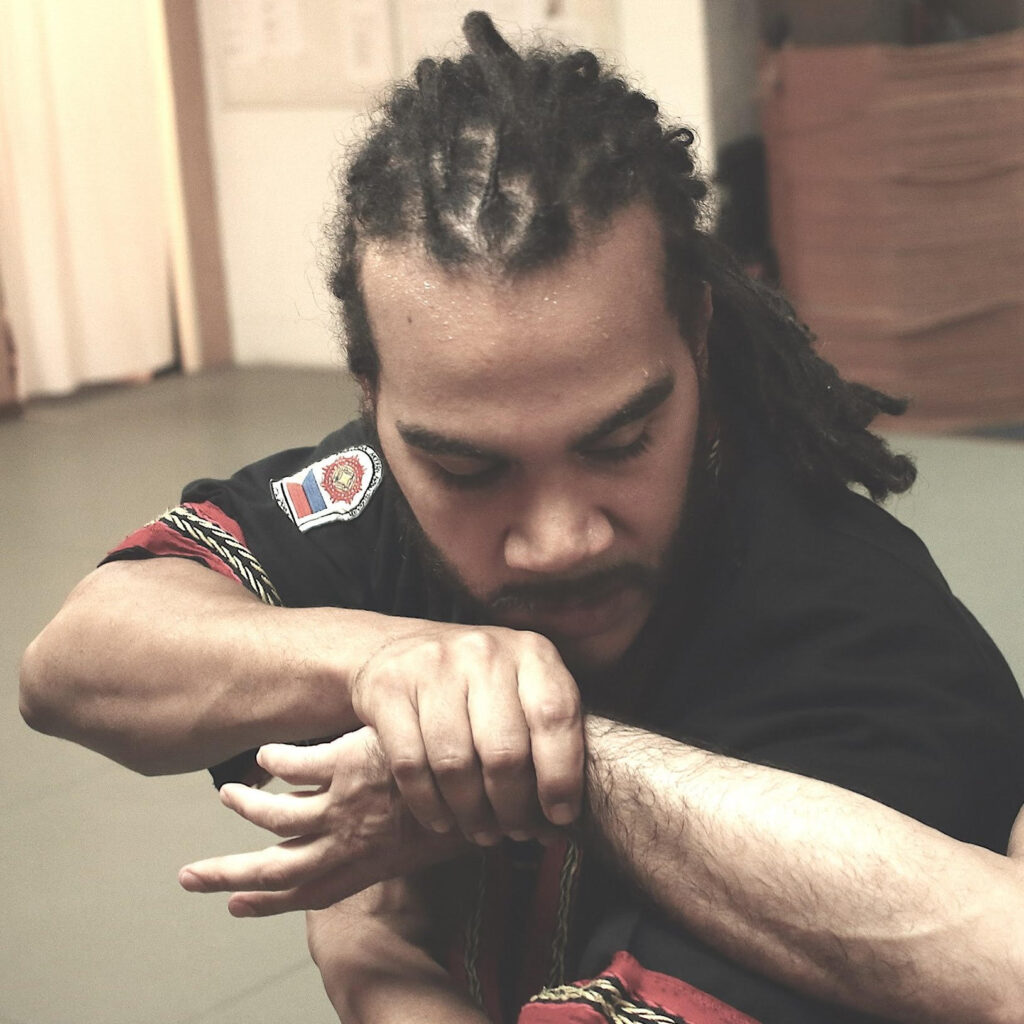
Most people already carry several viable improvised weapons without categorizing them that way — a solid metal flashlight, a heavy travel mug, a hardcover book, a sturdy umbrella. Our team's analysis of real-world defensive incidents consistently demonstrates that awareness and prior mental rehearsal close the gap between carrying an object and deploying it effectively under acute stress, where cognitive bandwidth collapses and only pre-formed responses fire reliably.
Understanding how criminal actors select targets and escalate confrontations sharpens the picture of when and where improvised tools are most likely to be tested, and our team draws on that behavioral research throughout the recommendations that follow.
Contents
The Real Trade-offs of Using Improvised Weapons for Self Defense
Genuine Strengths Worth Acknowledging
The principal advantage of improvised weapons is their unrestricted availability — no environment is entirely free of usable objects, from glass bottles in a kitchen to fire extinguishers mounted in hotel corridors. Legal status is a secondary but significant benefit: most everyday items carry no regulatory restriction, allowing most people to carry them across state lines and through venues that prohibit dedicated defensive tools. Our team also observes a consistent psychological benefit among people who habitually identify one available option before entering an unfamiliar space — freeze response time under genuine threat decreases measurably, because the cognitive work has already been done in advance.
Where These Options Fall Short
The critical limitation is inconsistency: an improvised weapon performs differently on every deployment because weight, balance, and grip vary by object and context. Dedicated tools like pepper spray deliver the same result reliably on every use, which matters enormously when fine motor control is already compromised by adrenaline. Self-defense law across U.S. states also varies significantly in how courts interpret proportionality; self-defense doctrine generally requires that force used be proportionate to the perceived threat, and high-damage improvised objects create post-incident legal exposure that most people seriously underestimate.
Our team's standing practice: Identify the nearest usable object within arm's reach before sitting down in any public space — this single mental habit consistently reduces threat-response time under genuine stress.
How Common Improvised Options Stack Up
Side-by-Side Assessment
Our team developed the following comparison after reviewing training literature and consulting defensive tactics instructors with combined experience spanning law enforcement, military, and civilian security contexts. Legal status reflects typical U.S. jurisdictions — state-specific restrictions apply and should be verified independently before carry decisions are made.
| Object | Effective Reach | Legal Status (typical) | Stress Reliability | Availability |
|---|---|---|---|---|
| Tactical Pen | Close | Generally unrestricted | High with training | Pocket/bag |
| Metal Flashlight | Close–Medium | Unrestricted | High | Bag/vehicle |
| Kubotan Keychain | Close | Restricted in select states | High with training | Keyring |
| Pepper Spray | Medium (up to 10 ft) | Restricted by state/age | Very high | Pocket/purse |
| Umbrella or Walking Stick | Medium–Long | Unrestricted | Moderate | Contextual |
| Keys (fist reinforcement) | Close | Unrestricted | Low without training | Always present |
| Fire Extinguisher | Medium | Unrestricted | High (disorientation + impact) | Fixed locations |
The tactical pen and heavy flashlight consistently represent the strongest pairing for most people, offering the best intersection of portability, legal simplicity, and real-world effectiveness without requiring specialized carry decisions or additional gear investment.
The Everyday Items That Deliver Real Stopping Power
Impact and Pressure Tools
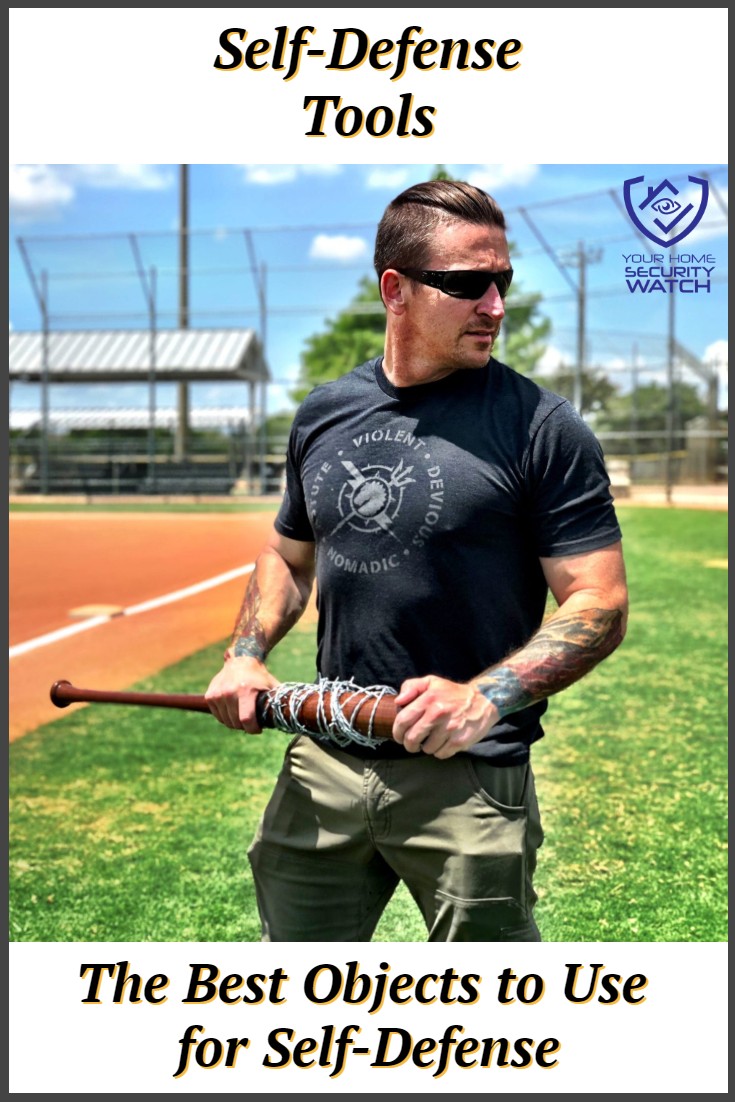
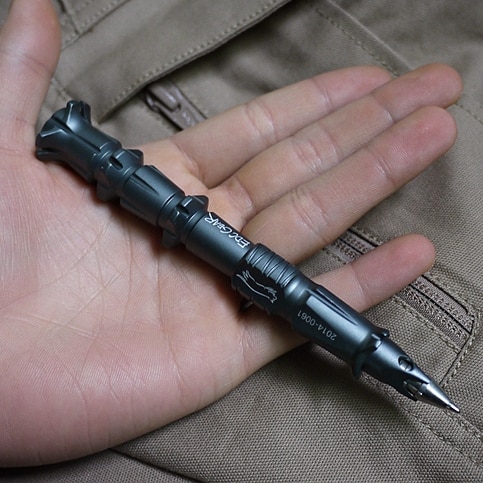
Tactical pens, kubotans, and heavy flashlights form the core toolkit our team returns to repeatedly, because each fits naturally into everyday carry without advertising defensive intent. The tactical pen — covered in depth in our guide to tactical pen self-defense techniques — provides genuine writing utility while delivering concentrated striking force through pressure point application, a skill most people develop in a single structured practice session with a qualified instructor.
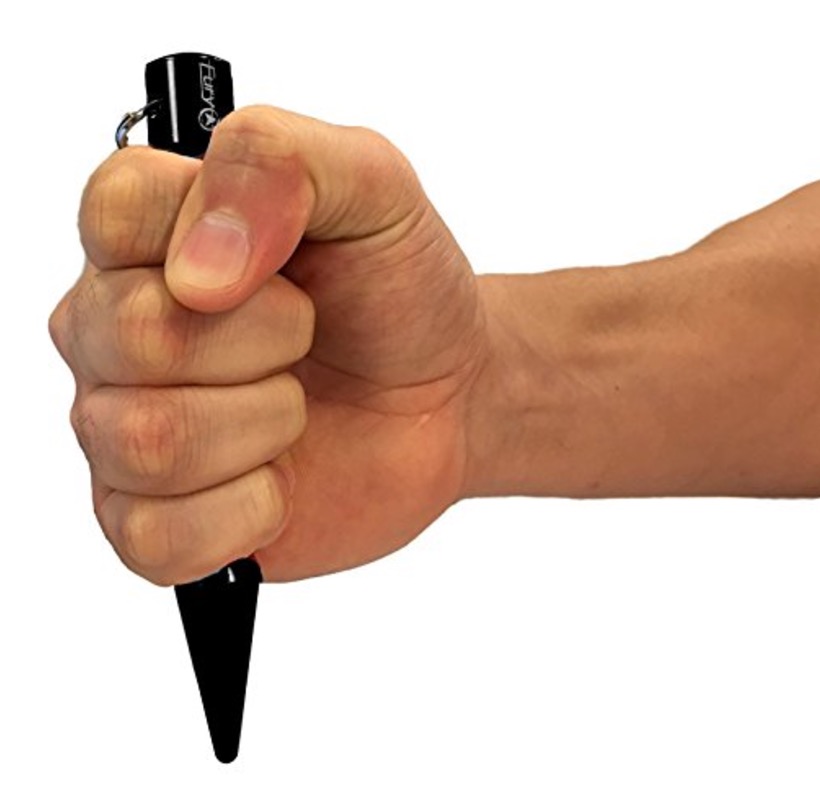
Keychain-mounted tools like the FURY Tactical SDK represent a distinct tier of accessibility, attaching to items most people handle multiple times daily and requiring no additional carry decision. The pressure tip concentrates force into a small surface area, amplifying strike effectiveness against soft tissue clusters and nerve pressure points well beyond what bare-knuckle contact achieves against a determined, adrenaline-loaded attacker.
Chemical Deterrents
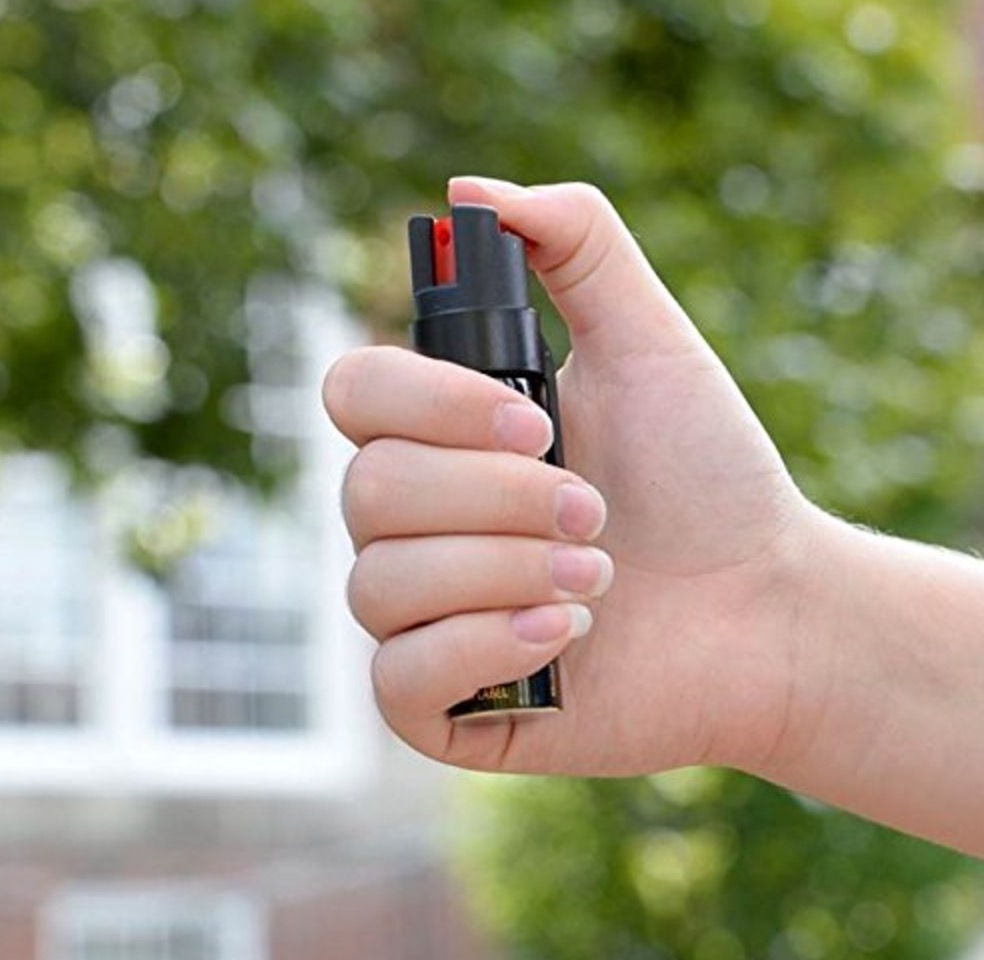
Pepper spray occupies a distinct and particularly valuable category because it creates immediate distance without physical contact — our team considers this a significant tactical advantage in most real-world scenarios, since it removes the grappling variable entirely. Deploying it effectively requires practiced awareness of wind direction, direct facial targeting, and disciplined distance maintenance afterward, skills that most people absorb within a handful of structured rehearsals rather than years of dedicated training investment.
How to Deploy These Tools Effectively
Targeting Principles
Our team emphasizes a single core principle across every defensive assessment: technique determines outcome more than object selection does. A heavy mug swung without targeting delivers far less effect than a focused strike to the throat or bridge of the nose with a lighter object, because vulnerable anatomical zones amplify applied force through biological response — reflexive retraction, pain-induced hesitation, compromised vision. Effective deployment follows a consistent sequence: establish a firm grip before contact initiates, identify the closest vulnerable zone, and commit to full follow-through rather than tentative contact that provides minimal deterrent effect against a committed aggressor.
Mental Rehearsal and Habit Formation
Mental rehearsal proves surprisingly effective at reducing freeze response, which remains the primary failure mode our team observes in post-incident analysis across both residential and public confrontation scenarios. Spending thirty seconds upon entering any new environment to identify one usable object and one viable target zone creates a cognitive schema that activates faster than conscious deliberation under acute stress, when the prefrontal cortex cedes control to neurological pathways that run only pre-formed behavioral responses.
The Errors That Get People Hurt
Poor Object Selection Under Pressure
The most consistent mistake our team documents is selecting an object based on proximity rather than usability — a laptop is technically a striking tool, but its bulk and asymmetric grip make reliable deployment under stress genuinely unlikely. Objects with natural grip points, manageable weight under three pounds, and rigid construction outperform bulkier or fragile alternatives in every training scenario our team has evaluated. The second most common error is targeting center mass against an adrenaline-loaded attacker, which delivers insufficient stopping effect and significantly extends the duration of a dangerous encounter.
Critical warning: Deploying any improvised weapon escalates the legal and physical stakes of a confrontation immediately — our team recommends exhausting verbal de-escalation and exit opportunities before any physical tool deployment occurs.
Overconfidence Without Structured Training
Handling an object a few times without resistance-based practice creates false readiness that our team finds more dangerous than acknowledged unpreparedness, because it suppresses the instinct to seek exits and de-escalation options before committing to physical engagement. Real encounters involve active resistance, adrenaline-impaired fine motor function, and chaotic spatial movement that bear no resemblance to static rehearsal in a controlled environment. Periodic training with a qualified defensive tactics instructor converts theoretical object awareness into reliable physical response under conditions that approximate genuine stress.
Scenarios Where Improvised Options Change Outcomes
Home Intrusion Encounters
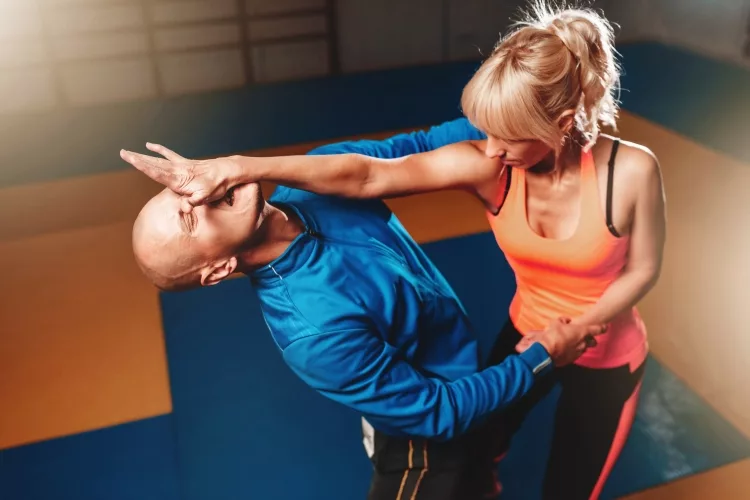
Home intrusion scenarios produce the highest density of available improvised options, with most kitchens alone containing a dozen viable objects within immediate reach. Our team's analysis of residential confrontation incidents consistently identifies hallways and bedrooms as the most common engagement zones, where a heavy flashlight or walking stick provides immediate reach advantage before a threat closes to grappling distance — an interval measured in seconds under real conditions. The pattern aligns with what behavioral research on criminal actors reveals about intruder escalation once the interior perimeter is breached.
Travel and Restricted Public Spaces
Travel scenarios — hotel corridors, parking structures, unfamiliar transit hubs — present the opposite challenge: limited available objects within an unfamiliar layout where exit routes are unknown. Seasoned travelers our team has consulted carry a tactical flashlight as standard kit precisely because it provides dual utility and consistent availability regardless of destination, clearing most venue restrictions without issue. Locations with posted weapon prohibitions represent the clearest ongoing use case for improvised tools, since everyday objects remain unrestricted in virtually every environment where dedicated defensive equipment is explicitly banned from entry.
Next Steps
- Audit everyday carry items today — identify which objects currently on hand have genuine defensive utility based on grip, weight, and rigidity, and commit to carrying the strongest two options consistently.
- Review our complete tactical pen technique guide to internalize the grip and pressure point fundamentals that apply broadly across most impact tools in the improvised category.
- Practice the environment-entry habit for thirty consecutive days: upon entering any new space, spend thirty seconds identifying one usable object and one viable anatomical target zone before sitting or settling in.
- Research local self-defense statutes through the state attorney general's office before adding restricted items like kubotans or high-concentration sprays to regular everyday carry.
- Schedule one session with a certified defensive tactics instructor to practice deployment technique against a compliant training partner, converting static awareness into stress-conditioned physical response.


About Robert Fox
Robert Fox spent ten years teaching self-defence in Miami before transitioning into home security consulting and writing — a background that gives him an unusually practical, threat-aware perspective on residential security. His experience spans physical security assessment, lock and alarm system evaluation, and the behavioral habits that make homes harder targets. At YourHomeSecurityWatch, he covers home security product reviews, background check and criminal records resources, and practical guides on protecting your property and family.
You can Get FREE Gifts. Furthermore, Free Items here. Disable Ad Blocker to receive them all.
Once done, hit anything below