There are an estimated 400 million firearms in civilian hands across the United States — more guns than people. Understanding gun laws in the USA isn't optional if you own or plan to own a firearm. The rules around buying, storing, and carrying a gun are not uniform nationwide. They shift from state to state, sometimes county to county. For the most authoritative federal guidance, the Bureau of Alcohol, Tobacco, Firearms and Explosives (ATF) is the definitive resource.
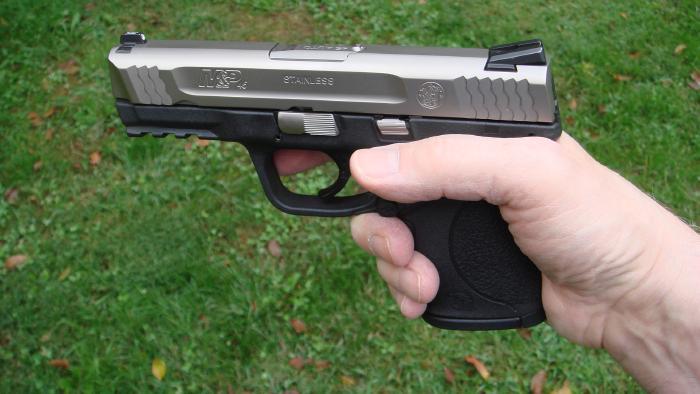
Gun ownership intersects directly with home security. If you store a firearm in your home, every decision you make — where it's kept, who can access it, how it's transported — affects everyone around you. The legal landscape can feel overwhelming, but breaking it into clear categories makes it manageable.
This guide covers the most frequently asked questions about U.S. gun law: how federal and state rules interact, what the purchase process involves, how to store firearms safely and legally, what carry laws mean for you, and the legal mistakes that trip up even experienced gun owners.

Contents
How Gun Laws in the USA Work: Federal vs. State Rules
The single most important thing to understand is that there is no one set of rules covering every American gun owner. Federal law creates a national floor — a baseline of minimum standards every state must follow. But states regularly go much further with their own restrictions. Two neighboring states can have dramatically different rules around background checks, magazine capacity, and who is allowed to carry in public.
A Brief History Behind U.S. Gun Regulation
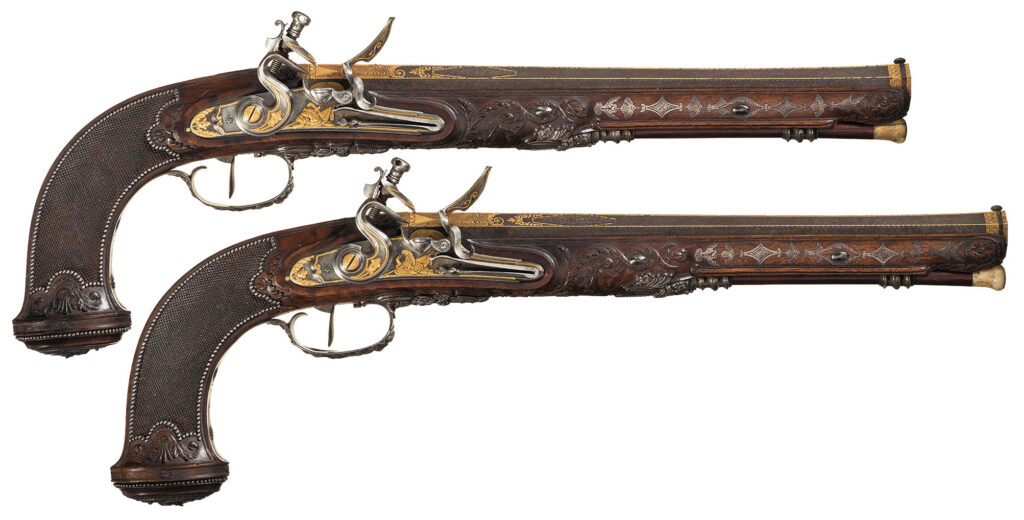
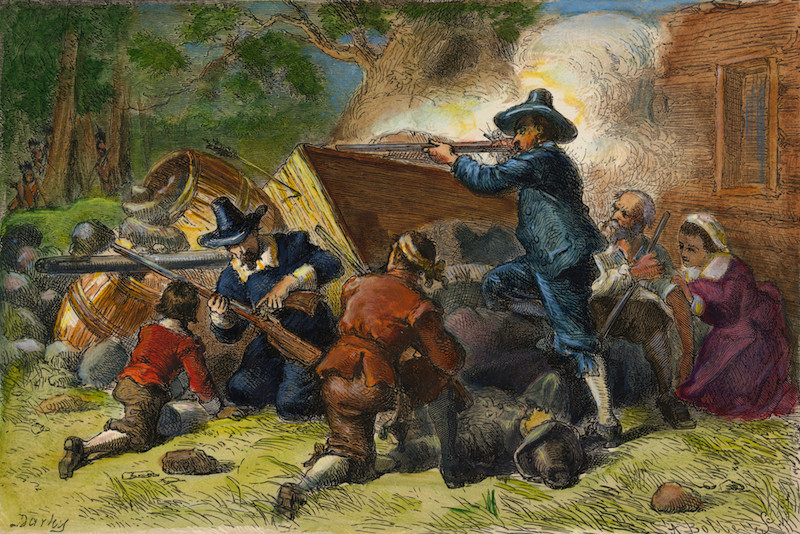
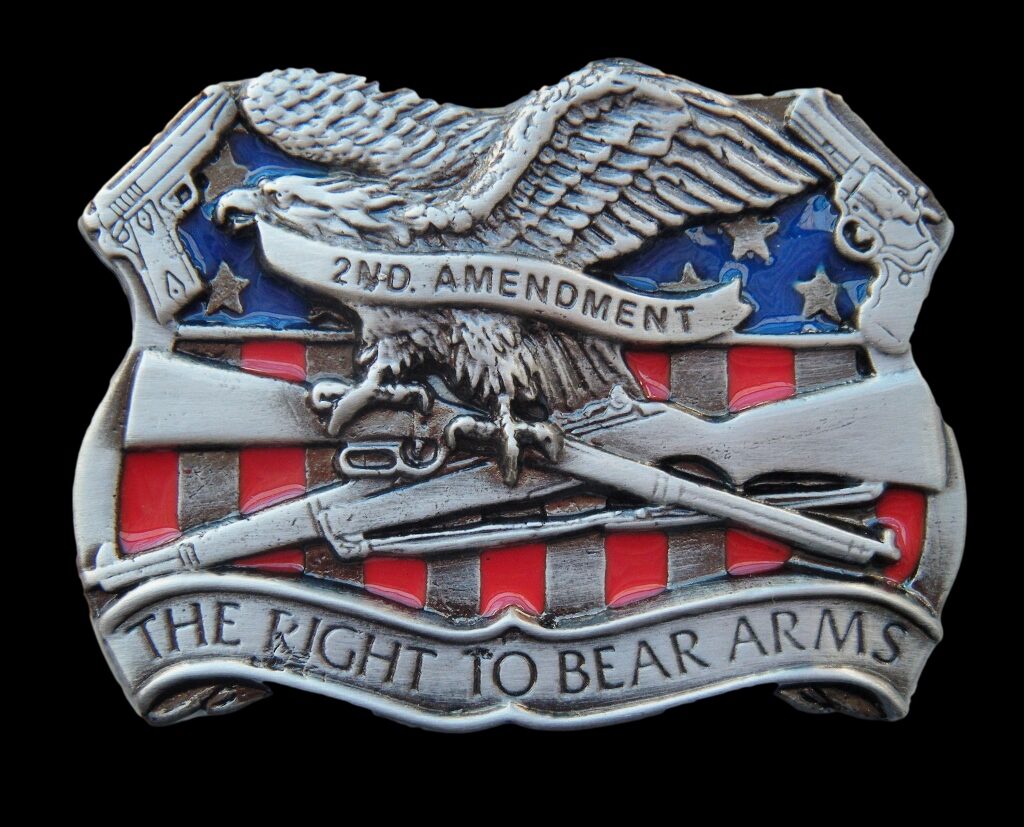
Firearms have been part of American life since the earliest colonial period. Settlers depended on guns for survival, defense, and territorial conflict — and the right to bear arms became deeply embedded in the national identity long before the Second Amendment was ratified.

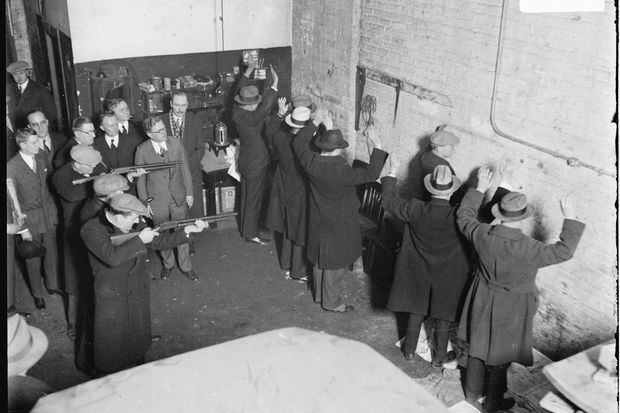
Modern federal gun regulation largely began in the 1930s, when organized crime violence — including high-profile massacres — pushed Congress to act. The National Firearms Act of 1934 introduced federal oversight of machine guns, suppressors, and short-barreled weapons. The Gun Control Act of 1968 expanded licensing requirements and created the prohibited persons framework. The Brady Act of 1993 added mandatory background checks through the NICS system.
Key Federal Restrictions at a Glance
Here's how the federal baseline compares to what individual states can add on top:
| Regulation Area | Federal Law (Floor) | State Variation (Examples) |
|---|---|---|
| Minimum age — handgun | 21 (licensed dealers) | Some states permit 18 in limited contexts |
| Minimum age — long gun | 18 | Several states have raised this to 21 |
| Background checks | Required at licensed dealers | CA, NY, CO require checks for private sales |
| Waiting periods | None at federal level | 3–14 days in CA, FL, HI, and others |
| Magazine capacity | No federal limit | 10-round limit in CA, NY, MA, and others |
| Assault weapon restrictions | Federal ban expired in 2004 | Active bans in CA, NY, CT, MD, and others |
| Red flag / ERPO laws | No federal mandate | Active in 19+ states |

What You Need to Know Before Buying a Gun
Buying a firearm legally involves more steps than most people expect. The process differs depending on where you buy — a licensed dealer or a private seller — and which state you're in.
Background Checks and Waiting Periods
Every purchase from a federally licensed dealer requires a NICS (National Instant Criminal Background Check System) check. Here's what the process looks like step by step:
- Complete ATF Form 4473 (Firearms Transaction Record)
- Provide a valid, government-issued photo ID
- Dealer initiates the NICS check through the FBI
- You receive an approval, delay, or denial — usually within minutes
- If approved, complete the purchase; if delayed, wait for resolution
A delay doesn't mean a denial. If no denial arrives within three business days, the dealer may legally transfer the firearm — though many states override this with mandatory waiting periods that apply regardless of check outcome.
Who Is Prohibited from Buying a Firearm
Federal law permanently bars certain individuals from purchasing or possessing firearms. You cannot legally buy a gun if you:
- Have been convicted of a felony
- Are under indictment for a crime punishable by more than one year in prison
- Have a domestic violence misdemeanor conviction or a qualifying restraining order
- Have been involuntarily committed to a psychiatric institution
- Are an unlawful user of or addicted to a controlled substance
- Are an undocumented immigrant or have renounced U.S. citizenship
- Are a fugitive from justice
State laws can extend this list further. If any of these apply, attempting to purchase a firearm is a federal crime — regardless of how permissive your state's laws may appear.

Responsible Storage: Protecting Your Home and Family
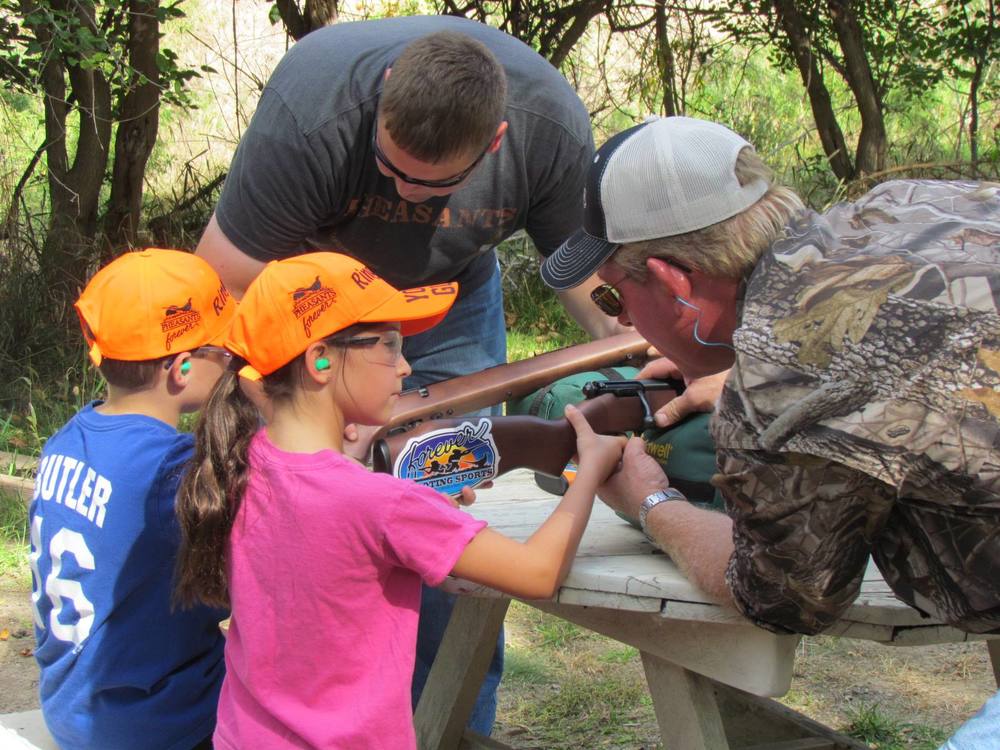
Owning a firearm comes with a storage obligation that extends beyond common sense. Improper storage is one of the leading contributors to accidental shootings, gun theft, and unauthorized access by minors in the home.
Why Storage Matters
Safe storage eliminates access by unauthorized users — including children and intruders. When you understand how burglars think and operate, it becomes clear that an unsecured firearm is one of the most attractive targets in a home. Here's what the law says in many states:
- California, Massachusetts, and Connecticut require locked storage or trigger locks when firearms aren't under the owner's direct control
- Child access prevention (CAP) laws exist in 27+ states — leaving a gun accessible to a minor can result in criminal liability
- Some municipalities impose storage rules on top of state law — check both
Choosing the Right Gun Safe
Not all gun safes offer equal protection. When selecting one, consider the following:
- Pistol safes: Compact and fast to access, ideal for a nightstand or vehicle. The Fort Knox PB1 handgun safe is one of the most consistently recommended options for bedside use.
- Long gun safes: Required for rifles and shotguns. If you're weighing your options, our Cannon vs Liberty gun safe comparison breaks down the key differences in security ratings, fire protection, and overall value.
- Fire rating: Look for a minimum 30-minute rating at 1,200°F.
- Lock type: Biometric locks offer fast access; electronic keypads balance speed and reliability.
Once you've purchased a safe, placement matters too. Read our guide on how to move a gun safe safely during setup or a home relocation. Don't overlook humidity — keeping moisture out of your gun safe prevents rust and preserves your firearm long-term.


Open Carry vs. Concealed Carry: A State-by-State Reality
The rules around carrying a firearm in public are among the most complex and frequently misunderstood aspects of gun laws in the USA. Your rights in this area depend entirely on which state — and sometimes which city — you're standing in.
Open Carry Basics
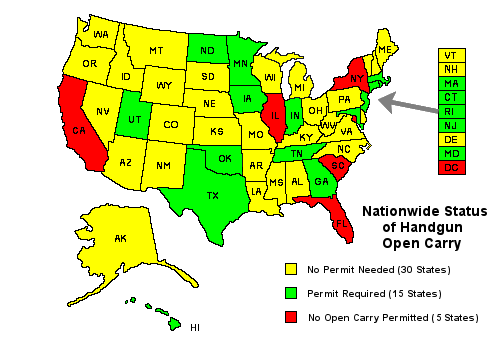
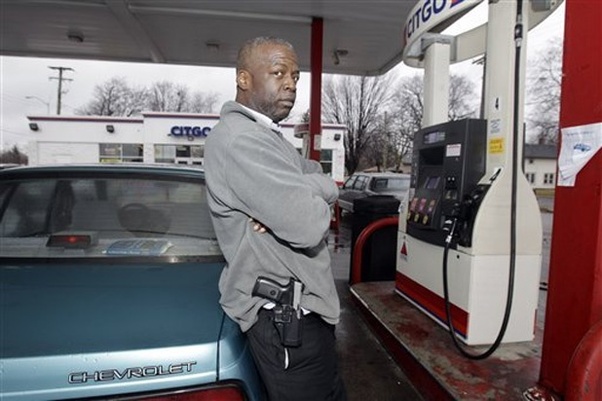
Open carry means carrying a firearm visibly in public. States fall into three broad categories:
- Permissive open carry: No permit required (Texas, Arizona, Alaska, and most rural states)
- Licensed open carry: A permit is required to carry openly (New Jersey, Massachusetts, North Dakota)
- No open carry: Prohibited entirely in public (California, Illinois, New York, Florida)
Even in permissive states, restrictions apply. Schools, government buildings, polling places, and private businesses can ban open carry on their premises. Local ordinances may also be stricter than state law — always verify both before you carry.
Concealed Carry Permits Explained
Concealed carry (CCW) lets you carry a hidden firearm. The permit system varies significantly by state:
- Shall-issue states: Authorities must issue a permit if you meet the criteria — the majority of states operate this way
- May-issue states: Authorities have discretion to deny even qualified applicants (California, New York, Maryland)
- Constitutional carry states: No permit required — over 27 states now operate under this standard
To obtain a CCW permit in a shall-issue state, you typically need to:
- Be a legal resident and meet the age requirement (usually 21)
- Pass a background check
- Complete a certified firearms safety course
- Submit your application and pay the required fees
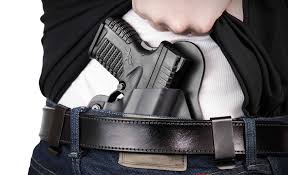
If you carry concealed, choosing or making the right holster for your firearm and carry style is a critical safety step. And if you're customizing your sights for better accuracy, our guide to the best universal sight pushers covers the tools you need.
Legal Pitfalls Gun Owners Must Avoid
Well-intentioned gun owners make legal mistakes every day. Some errors are minor oversights. Others carry serious federal consequences. These are the traps most likely to catch you off guard — and how to stay clear of them.
Transporting Firearms Across State Lines
Interstate travel with a firearm is one of the highest-risk legal gray areas for gun owners. Federal law (the Firearm Owners Protection Act) provides a safe harbor for interstate transport — but only when all of these conditions are met:
- The firearm is unloaded
- It's stored in a locked container not accessible from the passenger compartment
- You are legally permitted to possess the firearm in both the origin and destination states
Critically, this protection does not apply if you stop in a state where your firearm would be illegal to possess — unless the stop is purely for necessity (fuel, emergency, meals). Plan your route carefully. Know the laws of every state you'll pass through, not just where you're going.

Prohibited Modifications and Accessories
Federal law strictly prohibits certain modifications — even if you believe your state allows them. The most common mistakes include:
- Converting semi-automatic to fully automatic: Manufacturing or possessing a machine gun made after 1986 is federally prohibited for civilians
- Bump stocks: Banned federally — possession is illegal nationwide regardless of state law
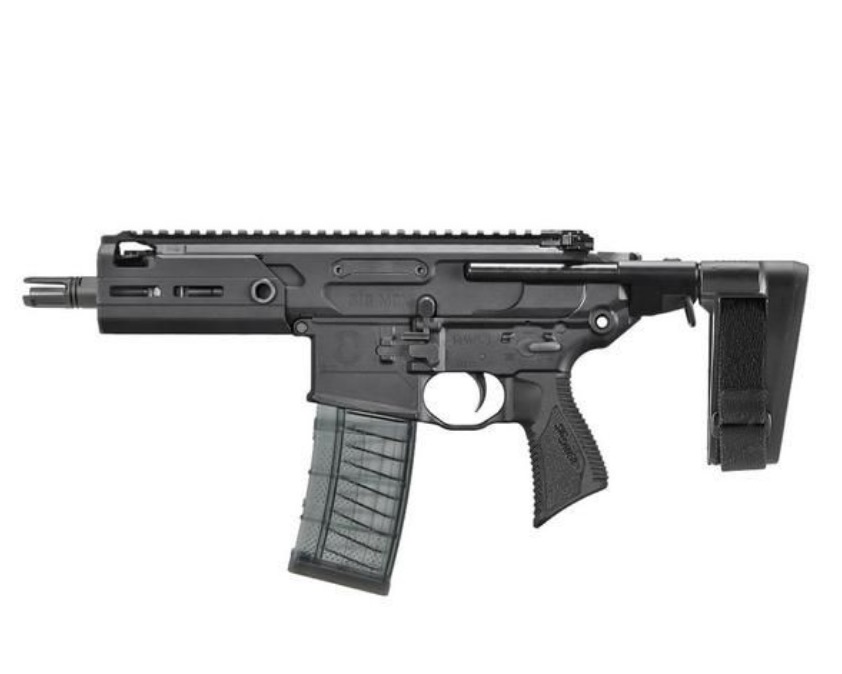
- Short-barreled rifles (SBR) and short-barreled shotguns (SBS): Legal only with NFA registration, a $200 tax stamp, and ATF approval — skipping any step is a federal felony
- Suppressors: Also NFA-regulated — legal with proper registration, illegal without it
- High-capacity magazines: No federal ban, but transporting one into a state that bans them can result in felony charges
Frequently Asked Questions
Can I buy a gun in a different state than where I live?
You can purchase a long gun — a rifle or shotgun — from a licensed dealer in another state, provided the sale complies with the laws of both states. Handguns are different. Federal law requires that handgun purchases from licensed dealers be transferred through a dealer in your state of residence. You cannot walk into an out-of-state gun store, buy a handgun, and take it home the same day — it must be shipped to a licensed dealer in your home state for the legal transfer.
What is the difference between a shall-issue and may-issue state for concealed carry?
In a shall-issue state, the licensing authority must issue a concealed carry permit if you meet all the legal requirements — they have no discretion to deny qualified applicants. In a may-issue state, authorities retain the power to deny a permit even if you meet every technical criterion, often requiring you to demonstrate a specific personal need. Constitutional carry states go the furthest by eliminating the permit requirement entirely for eligible residents.
Are there federal gun laws that automatically override state laws?
Yes. Federal law sets a national floor that all 50 states must meet. No state can pass laws that are less restrictive than federal minimums — for example, no state can legally permit a convicted felon to purchase a firearm, because federal law bars them universally. However, states retain full authority to impose stricter rules on top of federal law, and many do. The result is a patchwork of regulations where your rights and obligations differ significantly depending on where you are.
Do gun laws in the USA require gun owners to store firearms safely at home?
There is no universal federal safe storage mandate, but many states have enacted their own requirements. California, Massachusetts, Connecticut, and others require firearms to be stored in a locked container or fitted with a trigger lock when not under the owner's direct control. Child access prevention (CAP) laws in 27+ states create criminal liability when a minor gains access to an unsecured firearm in your home. Even where no law mandates it, secure storage is widely considered the standard of responsible ownership.
Final Thoughts
Gun laws in the USA are layered, and staying compliant means staying informed — not just once, but continuously as both federal and state rules evolve. Start by verifying the specific laws in your state, confirm your storage setup meets or exceeds legal requirements, and consult a licensed firearms attorney before traveling across state lines or considering any NFA-regulated items. The more informed you are, the safer — and better protected — you'll be as a gun owner.


About Robert Fox
Robert Fox spent ten years teaching self-defence in Miami before transitioning into home security consulting and writing — a background that gives him an unusually practical, threat-aware perspective on residential security. His experience spans physical security assessment, lock and alarm system evaluation, and the behavioral habits that make homes harder targets. At YourHomeSecurityWatch, he covers home security product reviews, background check and criminal records resources, and practical guides on protecting your property and family.
You can Get FREE Gifts. Furthermore, Free Items here. Disable Ad Blocker to receive them all.
Once done, hit anything below