My neighbor called me one evening, completely exasperated. Her Jack Russell had spotted the mail carrier through the front window and gone into full alarm mode — non-stop barking for twenty minutes straight, spinning circles, refusing every command. "He's going to drive me out of my own house," she said. If you've ever watched one of these compact dogs go absolutely wild over a stranger at the door, you already know the instinct is there. Jack Russell Terrier guard dog training is about taking that raw, wired-in energy and channeling it into something that actually protects your home. For the full framework before you dive in, our complete dog training tips guide is worth bookmarking now.
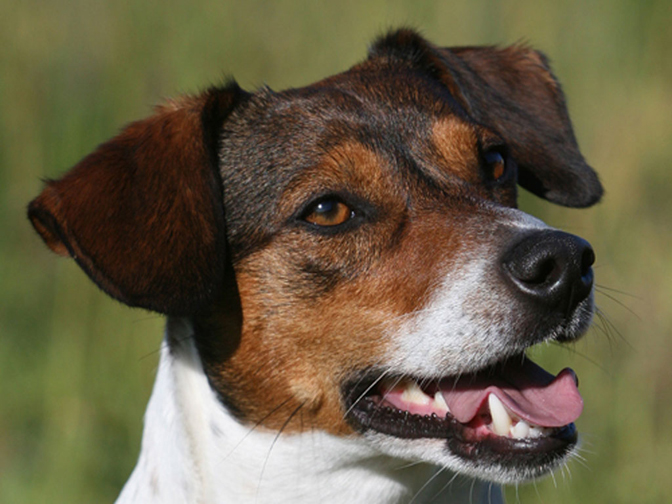
Jack Russell Terriers were originally bred in 19th-century England to flush foxes from their dens. That heritage gave them explosive energy, razor-sharp senses, and a fearless personality that punches well above their 15-pound weight class. They won't physically stop an intruder the way a German Shepherd would, but they're outstanding at detection and alarm. A well-trained JRT notices things before you do — unfamiliar footsteps on the back porch, a car idling too long on your street, someone quietly testing your gate latch at 2 a.m.
The real challenge isn't getting your JRT to react — it's teaching the right reaction. Without structure, that same alertness becomes a liability: constant false alarms, aggression toward guests, and anxiety that makes the dog unpredictable. This guide walks you through every stage of the process, from foundation obedience to real-world application, so you end up with a dog that strengthens your home security rather than complicating it.
Contents
- Building the Right Foundation for Long-Term Jack Russell Guard Dog Training
- Commands That Get Results Fast
- What Real Jack Russell Owners Have Experienced
- When JRT Guard Training Works — and When It Doesn't
- Jack Russell vs. Other Guard Dog Breeds
- Fixing the Most Common Jack Russell Training Problems
- Frequently Asked Questions
- Final Thoughts
Building the Right Foundation for Long-Term Jack Russell Guard Dog Training
Understanding the JRT Temperament
Before a single training session, you need to understand what you're actually working with. According to the Jack Russell Terrier Wikipedia entry, the breed is defined by high intelligence, a strong prey drive, and a stubborn independent streak that frustrates owners who expect easy compliance. These aren't flaws — they're features when properly directed.
Here's what those traits mean for guard training specifically:
- High intelligence means they learn commands quickly but get bored and disobedient if sessions drag on
- Prey drive sharpens alertness to movement and sound — exactly what you want in a detection dog
- Stubbornness means you must establish clear leadership from day one, or your dog will invent its own rules
- Fearlessness means they'll challenge perceived threats without hesitation — including situations where that's a bad idea

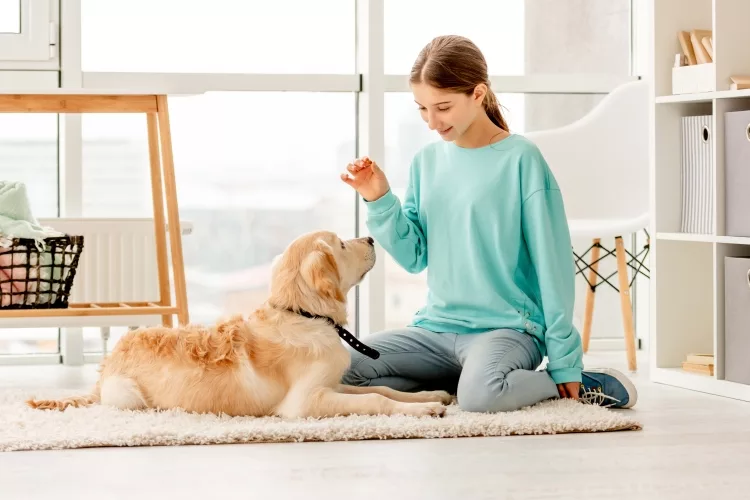
JRTs respond extremely well to reward-based training. They're motivated, eager to engage, and capable of learning complex multi-step behaviors. The problem is inconsistency — one skipped week can erase two weeks of solid progress. Go in knowing that.
Consistency Is Everything
Long-term success with Jack Russell guard dog training depends entirely on routine. You can't train hard for a month and expect behaviors to hold on their own. Set up a system that fits your real schedule and stick to it.
- 15-minute sessions, twice daily — short enough to hold their attention
- Same commands, same tone, same rewards every single time
- Every person in your household follows the same rules without exception
- Monthly "refresh" sessions to maintain all core behaviors
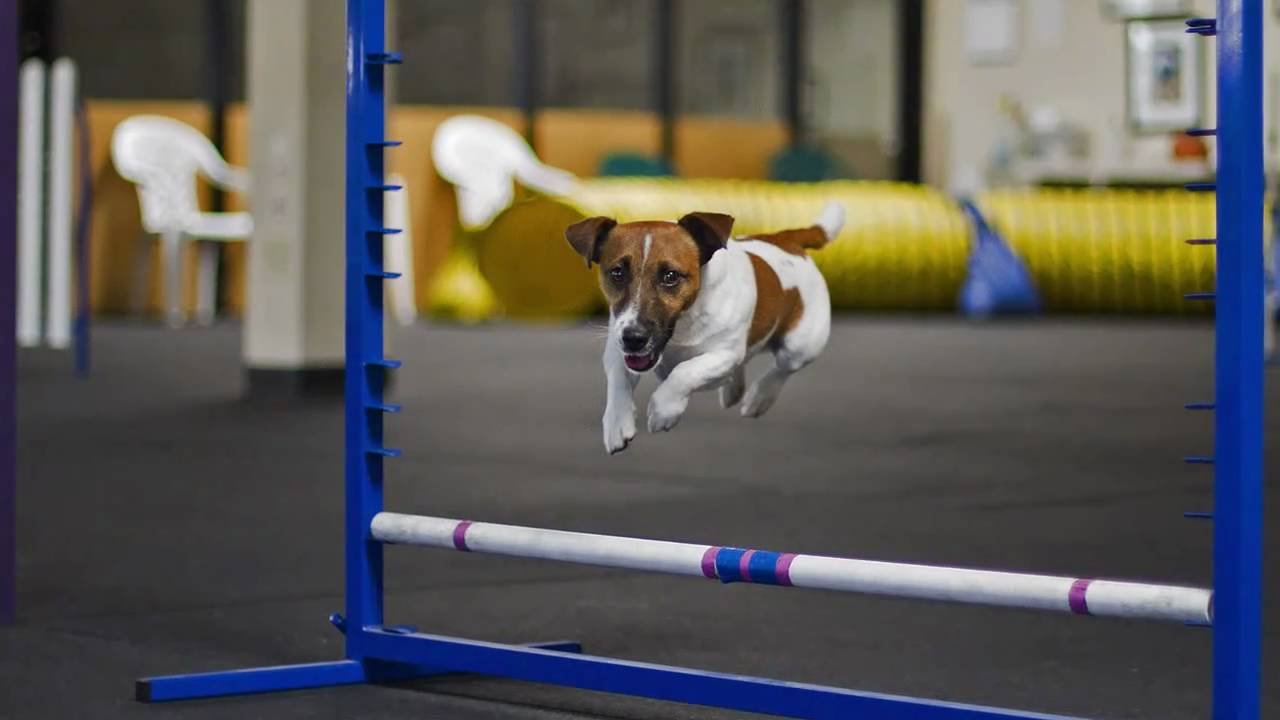
Enroll your JRT in a formal obedience class before you touch any guard-specific training. A dog that won't sit, stay, or recall reliably has no business learning to alert or patrol. Build the foundation first — everything else depends on it.
Commands That Get Results Fast
Start With the Core Five
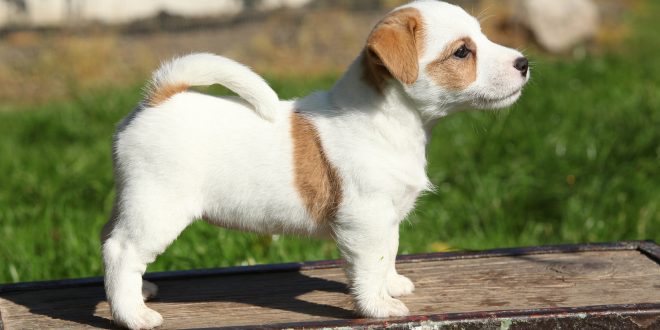
You don't need months before you see real progress with a Jack Russell. Using high-value treats your dog doesn't get at any other time, you can have solid responses to core commands within days. The key is keeping sessions short — 10 to 15 minutes — and ending on a win every time.
These five commands are non-negotiable before you move to any guard-specific work:
- Sit — the baseline of all impulse control
- Stay — prevents charging or chasing when a trigger appears
- Come — your recall must be bulletproof under distraction
- Quiet — turns off barking on command, which is essential for alert training
- Leave it — stops fixation on a trigger before it escalates

Train each command first in a quiet indoor space. Once your dog hits 90% reliability there, move outside. Then add distractions — other people, bikes, street sounds. Don't rush this progression. Reliability at low distraction is meaningless if the behavior falls apart the moment something interesting happens.
Adding the Alert Command
Once obedience is solid, introduce the "speak" or "alert" cue. The goal is a dog that barks on command and stops on command — full, deliberate control. Never reward spontaneous barking, only the barking you asked for.
- Wait for your dog to bark naturally at a trigger
- Say "speak" at the exact moment they bark
- Reward immediately with a high-value treat
- Repeat until they bark reliably on the verbal cue alone
- Then layer in "quiet" — reward the silence that follows
This speak-and-quiet pairing gives you a two-command system for complete control over your JRT's alarm behavior. It takes patience, but once it's locked in, it doesn't break easily.
What Real Jack Russell Owners Have Experienced
The Alarm Dog That Caught a Burglar

JRTs can hear sounds at frequencies and distances that genuinely surprise people. One homeowner in a suburban neighborhood noticed her trained Jack Russell alerting every night near the back fence — always around 11 p.m. She initially dismissed it. After mounting a camera on that side of the house (motivated entirely by her dog's behavior), she discovered someone had been quietly testing her back gate on multiple nights. The evidence matched exactly how burglars scout properties before acting. Her dog's trained alert behavior gave her actionable information days before anything would have happened.
That's the core value proposition of a well-trained JRT: early warning. Not confrontation. Not deterrence by size. Pure, reliable detection that gives you time to respond.
When Night Training Paid Off
Night detection is where JRTs genuinely shine. A trained dog develops a distinct nighttime alert — different in pitch and urgency from its daytime "I see a squirrel" bark. Teaching this distinction takes time, but here's the sequence that works:
- Use a consistent "watch" command when you do evening perimeter checks together
- Reward any alert to an actual person near the property boundary
- Redirect and ignore alerts triggered by animals or wind
- Practice with a willing friend acting as a "stranger" outside after dark
Combine your dog's training with physical perimeter improvements. A well-designed privacy hedge or a privacy tree fence funnels where an intruder would approach from, giving your dog a narrower zone to monitor and making alerts far more reliable.
When JRT Guard Training Works — and When It Doesn't
Situations Where Jack Russells Excel

Know where to deploy your JRT's strengths and you'll get real results. These are the scenarios where trained JRTs genuinely outperform expectations:
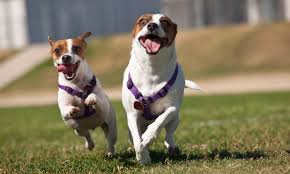
- Detection and alarm: Few breeds match a JRT's ability to detect and announce intruders early
- Apartments and small homes: Size makes JRTs ideal where larger breeds aren't practical
- Deterrence by presence: Research consistently shows burglars avoid homes with any dog — small or large
- Layered security setups: A trained JRT working alongside a smart alarm system creates genuine multi-layer protection
Pro insight: Any dog that barks loudly and alertly is often enough to make an intruder move on to an easier target — the physical size of the dog matters far less than you'd think.
Their Real Limitations
Being honest about what a JRT can't do is just as important. Don't ask your dog to fill a role it isn't built for:
- Physical confrontation: A JRT cannot overpower or restrain an adult intruder — that's not the job
- Extended patrol shifts: These dogs burn energy fast and need recovery time; they're sprinters, not endurance workers
- Solo guarding: Your JRT needs to reach you with its alert — isolation completely defeats the purpose
- Homes with multiple poorly-socialized dogs: JRTs can be territorial and combative without proper socialization
If you need a dog capable of physical deterrence or protection work, the right answer is a different breed. Our guides on Doberman guard dog training and German Rottweiler guard training cover breeds built specifically for those roles.
Jack Russell vs. Other Guard Dog Breeds
Breed Comparison at a Glance
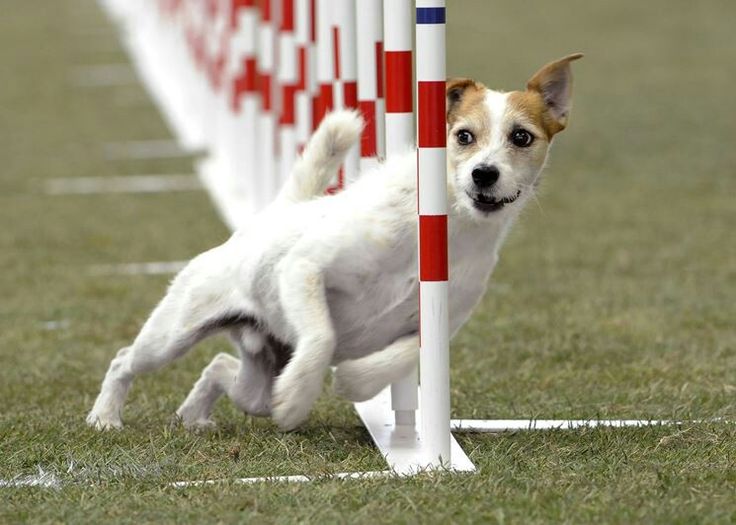
How does the JRT actually compare against traditional guard dog breeds? This table gives you an honest, side-by-side breakdown so you can decide whether a JRT fits your specific situation — or whether another breed is the better fit.
| Breed | Size | Alert Ability | Physical Deterrent | Training Difficulty | Best Security Role |
|---|---|---|---|---|---|
| Jack Russell Terrier | Small (13–17 lbs) | Excellent | Low | Moderate–High | Alarm and early detection |
| German Shepherd | Large (65–90 lbs) | Excellent | High | Moderate | All-around guard and patrol |
| Doberman | Large (60–80 lbs) | Very Good | High | Moderate | Personal and property protection |
| Rottweiler | Large (80–135 lbs) | Good | Very High | Moderate–High | Territory and perimeter protection |
| Labrador Retriever | Large (55–80 lbs) | Good | Low–Medium | Low | Family watchdog and soft alert |
The JRT wins outright on alert sensitivity and works in living situations where large breeds simply aren't an option. For apartment dwellers or townhouse owners, a well-trained Jack Russell often delivers better real-world results than a poorly trained large breed. If you're comparing options, check out our Labrador guard training guide to see how a larger but gentler breed stacks up in practice.
Fixing the Most Common Jack Russell Training Problems
Excessive and Uncontrolled Barking
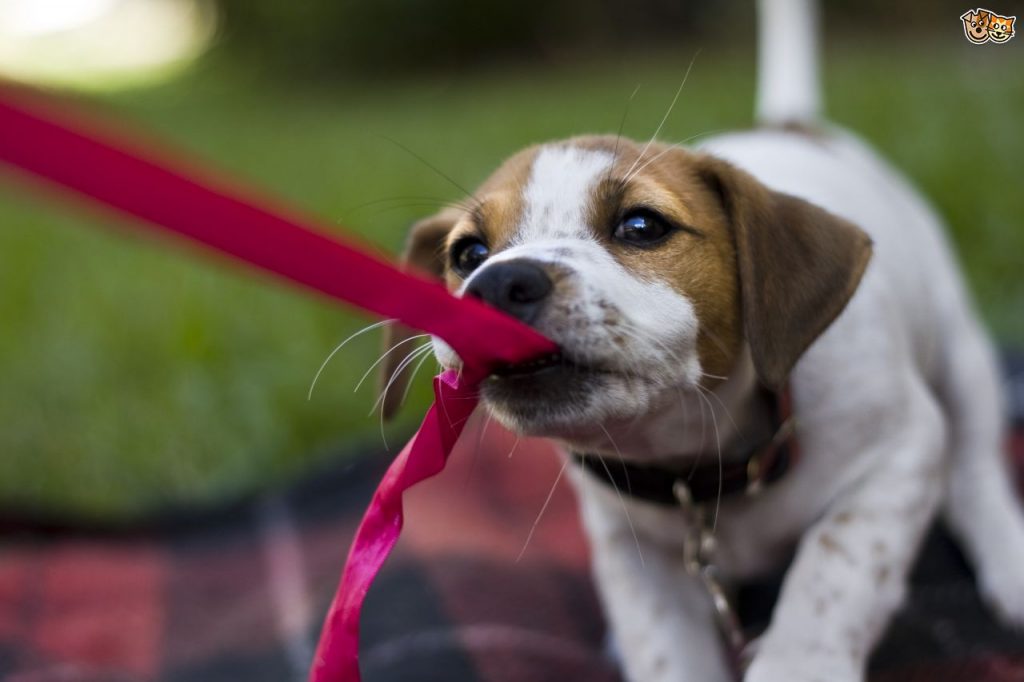
Excessive barking is the most common complaint from JRT owners — and the fix is counterintuitive. You need to teach "quiet" before you focus on reducing overall barking. Once your dog understands that silence earns rewards, you have real leverage. Here's the step-by-step approach:
- When your dog barks at a trigger, calmly say "quiet" once — don't repeat it
- If they stop for even two seconds, reward immediately with a treat
- Gradually extend the silent period before the reward arrives
- Never yell — your dog reads that as you joining the bark-fest, which makes everything worse
- Identify specific triggers (mail slot, doorbell, passing bikes) and desensitize each one separately
Desensitization (gradually exposing your dog to a trigger at low intensity until they stop reacting) is the permanent solution. It takes weeks, not days, but the results hold long-term in a way that punishment-based approaches never do.
Ignoring Commands When Excited
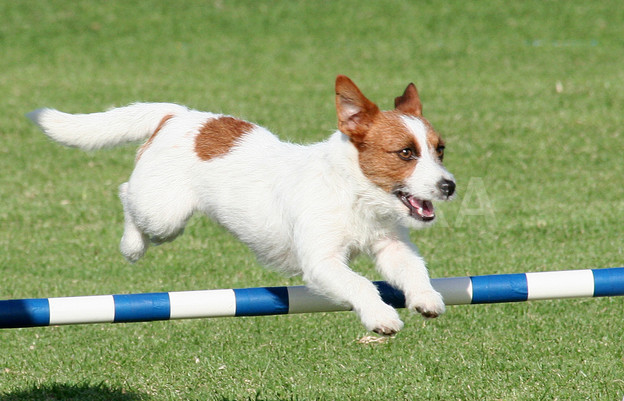
JRTs in high-arousal states appear to "forget" every command you've taught them. They haven't forgotten — their focus has narrowed so completely that your voice simply doesn't register as important. This is a training gap, not a personality flaw, and it's fixable.
- Build an unbreakable recall using the highest-value rewards you own — cooked chicken, cheese, hot dog pieces
- Practice the recall command in progressively more distracting environments, not just at home
- Use a long training leash (15–20 feet) outdoors so you can enforce the recall without chasing
- Cap sessions at 5 minutes during high-arousal states — pushing longer produces frustration, not learning
If command compliance consistently breaks down under distraction, go back to basics. Rebuild reliability at zero distraction, then earn the behavior back in stages. There are no shortcuts — only the process. Every training program for working dogs, from JRTs to the breeds in our guard dog series, comes back to the same answer: foundational obedience has to be solid before anything else can hold.
Frequently Asked Questions
Can a Jack Russell Terrier really be trained as a guard dog?
Yes — with an important clarification. A JRT excels as an alarm and detection dog, not a physical protection dog. They have exceptional hearing, strong territorial instincts, and a fearless bark that reliably alerts you to intruders. What they can't do is physically stop or deter a determined adult intruder. Think of them as your home's early warning system, not its last line of defense.
At what age should I start Jack Russell Terrier guard dog training?
Start basic obedience as early as 8 weeks. Puppies this age absorb commands quickly and form habits that stick for life. Guard-specific training — alert commands, perimeter awareness — should wait until your JRT has mastered core obedience, typically around 6 to 12 months depending on the individual dog's maturity and progress.
How long does it take to train a Jack Russell as a reliable alert dog?
Expect 3 to 6 months of consistent daily work before behaviors are reliable under real-world conditions. Basic obedience can solidify in 4 to 8 weeks. Alert command training takes an additional 4 to 8 weeks on top of that. Reliability under high distraction — the kind that actually matters for home security — takes longer and requires deliberate practice in varied environments.
Will guard training make my Jack Russell more aggressive toward guests?
Not if you train correctly. Proper Jack Russell guard dog training teaches your dog to alert you to strangers, then defer to your judgment. The "quiet" command and controlled introductions teach your dog that guests you approve of are safe. What creates aggression is poorly structured training, punishment-based methods, or skipping socialization entirely. Reward-based training with consistent boundaries prevents this outcome.
Do Jack Russells bark too much to be practical as guard dogs?
Only if their barking is uncontrolled. The speak-and-quiet command system gives you complete control over when your JRT vocalizes. A trained JRT barks when there's something worth reporting and stops when you say so. An untrained JRT barks at everything indiscriminately — which is annoying and actually less useful for security since you learn to tune it out.
Can an adult Jack Russell be trained for guard duty, or is it only possible with puppies?
Adult JRTs absolutely can be trained, though it typically takes longer than starting with a puppy. Older dogs bring existing habits — both good and bad — to every session. Expect the process to take 30 to 50 percent longer than puppy training timelines. The fundamentals are the same: start with obedience, build reliability, then layer in alert behaviors. Patience and consistency matter more than age.
Should I hire a professional trainer for Jack Russell guard dog training?
For most owners, a professional obedience class is the right starting point — especially if you've never trained a dog before. JRTs are intelligent but challenging, and bad habits set early are hard to reverse. A professional trainer can also assess your specific dog's temperament and flag issues like reactivity or anxiety before they become serious problems. Guard-specific work can often follow from solid obedience you build yourself.
Final Thoughts
Jack Russell Terrier guard dog training is one of the most rewarding investments you can make in your home security setup — but only if you approach it with the right expectations and real commitment to consistency. Start with obedience fundamentals, build the speak-and-quiet system, and layer in real-world scenarios over time. If you're ready to take the next step, pick up a high-value treat pouch, set a daily 15-minute training block in your calendar, and get to work this week — your JRT is more capable than you think, and so are you.


About Robert Fox
Robert Fox spent ten years teaching self-defence in Miami before transitioning into home security consulting and writing — a background that gives him an unusually practical, threat-aware perspective on residential security. His experience spans physical security assessment, lock and alarm system evaluation, and the behavioral habits that make homes harder targets. At YourHomeSecurityWatch, he covers home security product reviews, background check and criminal records resources, and practical guides on protecting your property and family.
You can Get FREE Gifts. Furthermore, Free Items here. Disable Ad Blocker to receive them all.
Once done, hit anything below