A neighbor of mine came home one afternoon to find her front door standing wide open. No broken glass, no scratched frame — just an unlocked door and a missing laptop. The lock had been bumped. That experience pushed me to really dig into the question of bump proof vs pick proof locks and what those labels genuinely mean for your home's safety. If you're evaluating your options, the locks guide is a useful starting point — but this article breaks down the actual mechanics, the real differences, and how to choose the right protection for your situation.

Most people assume a standard deadbolt is enough. For many threats, it is. But pin tumbler locks — the dominant design in residential hardware — carry two well-documented weaknesses that attackers can exploit without leaving any signs of forced entry. Bumping targets the physics of the pin stack. Picking targets the same pins through a different kind of mechanical manipulation. Both can open your door in seconds if you're relying on a basic off-the-shelf lock.
The good news is that the lock industry has designed hardware specifically engineered to resist each of these methods. The challenge is that marketing language like "bump proof" or "pick proof" gets used loosely. Understanding what those claims actually mean — and how they translate to real-world protection — is what this guide is about.
Contents
How Locks Get Compromised in the First Place
The Mechanics of Lock Bumping
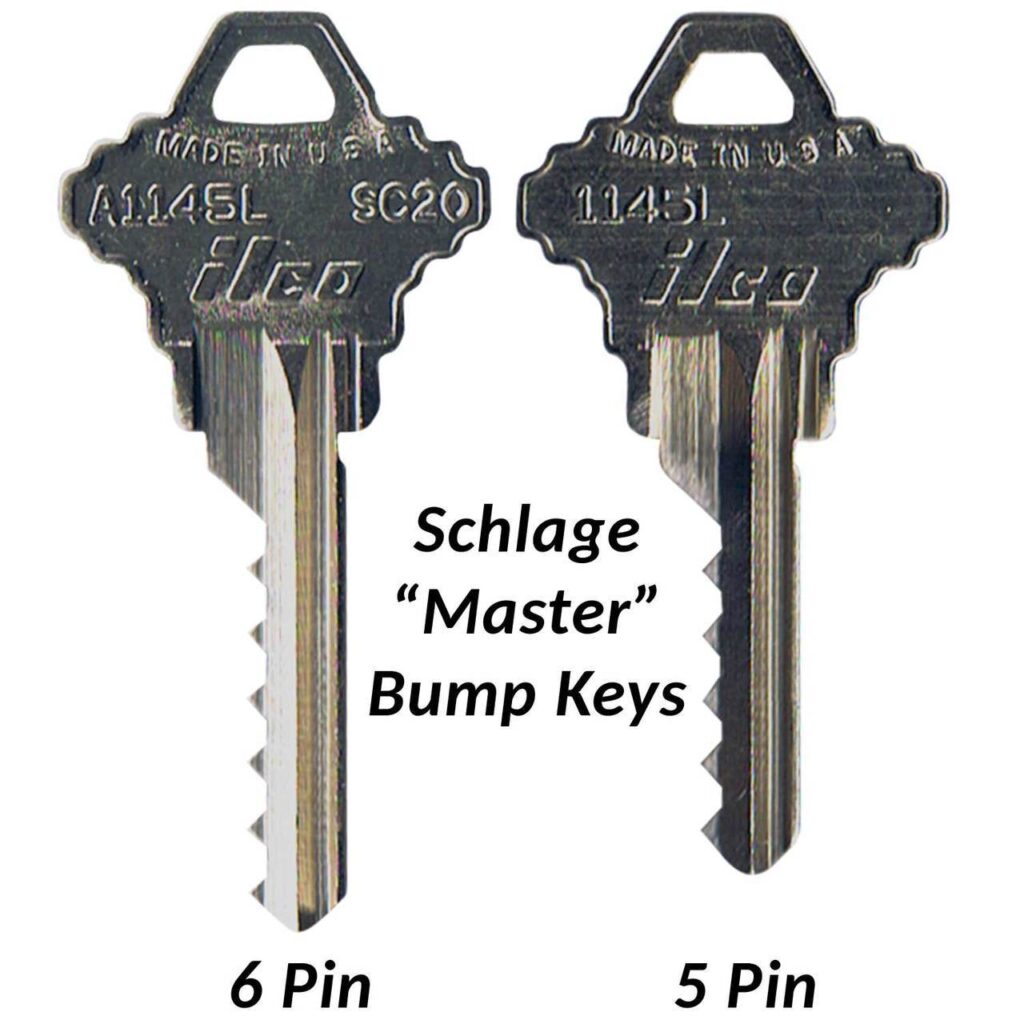
Lock bumping exploits the basic physics of a pin tumbler lock. A bump key is a specially cut key — usually cut to maximum depth on every tooth — that fits into your lock's keyway. The attacker inserts the key, applies light rotational pressure, then strikes it sharply with a mallet or the palm of their hand. That impact sends a brief shock through the key, momentarily launching the driver pins upward. For a fraction of a second, a gap opens at the shear line — the point where the rotating plug meets the outer housing. With rotational tension already applied, the plug turns and the lock opens.
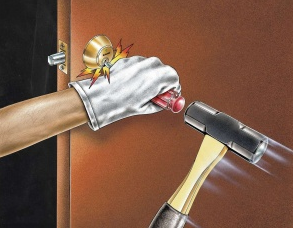
What makes bumping particularly unsettling is how accessible it is. Bump keys are sold online, and the technique takes only minutes to learn. According to Wikipedia's entry on lock bumping, the method has been documented in the security community for decades and gained mainstream attention in the mid-2000s. There is typically no damage to the lock, no scratches, and no trace left behind for investigators. Your insurance company may not cover a claim with no signs of forced entry.
Security tip: If your lock shows no signs of forced entry but was opened without a key, bumping or picking should be your first suspects — request a locksmith inspection before assuming the lock malfunctioned.
The Mechanics of Lock Picking
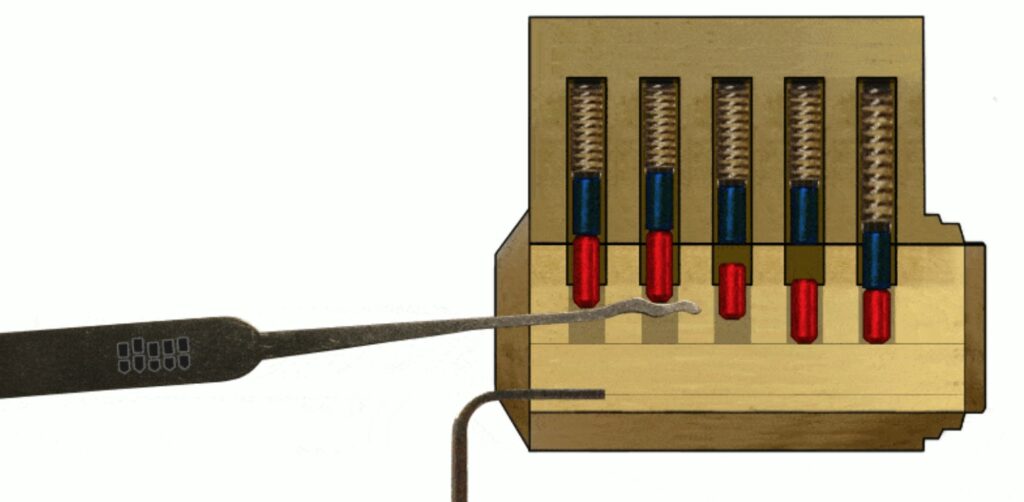
Lock picking is a more skill-intensive attack. The picker inserts a tension wrench into the bottom of the keyway and applies light rotational pressure on the plug. A separate pick tool — often a hook pick or a serrated rake — is then used to push individual pins upward. Because the plug is under slight tension, each pin that reaches the correct height "sets" at the shear line and stays there. Once all pins are set, the plug turns and the lock opens.
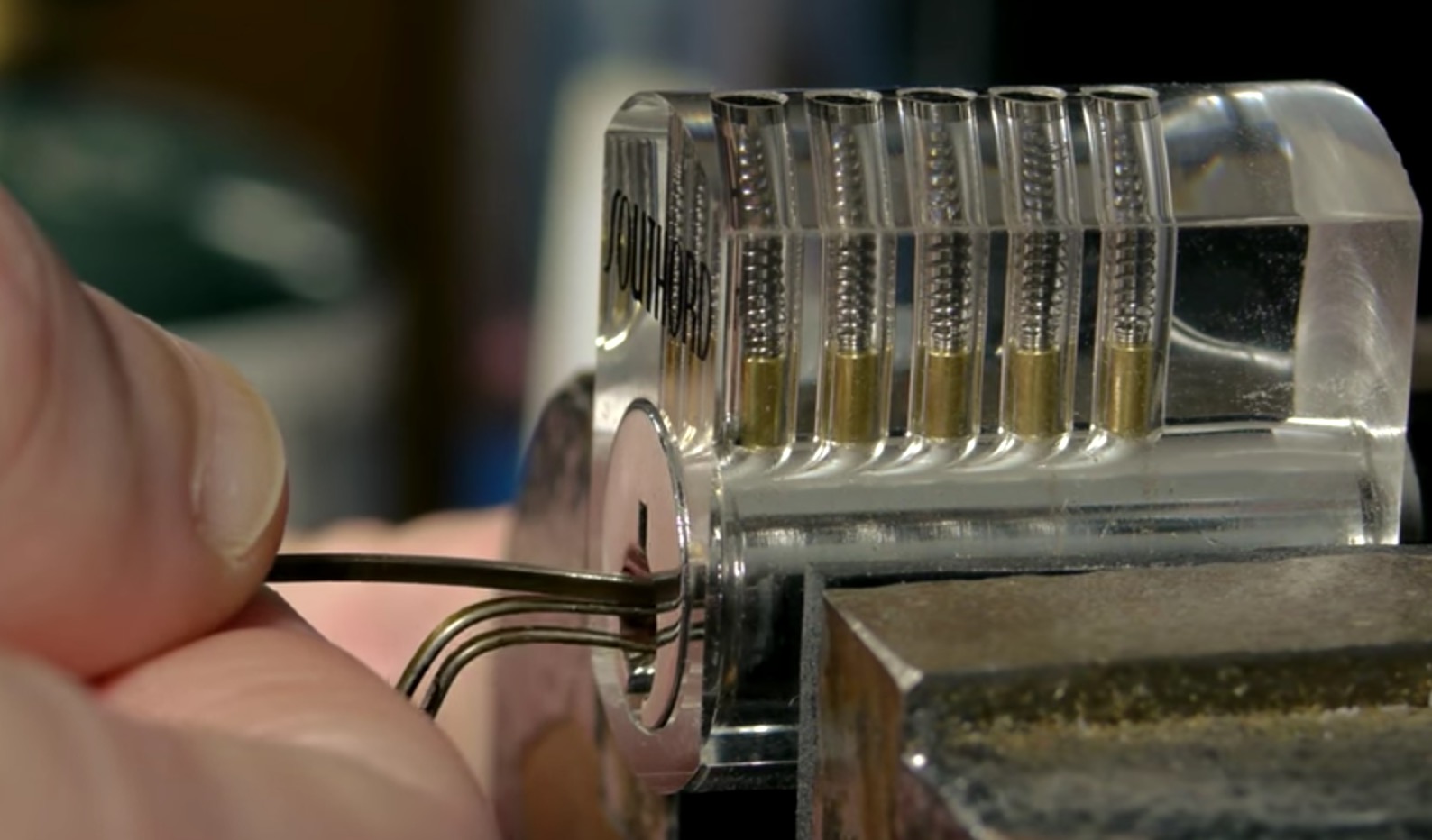
Picking requires more patience and practice than bumping, but an experienced picker can open a standard residential lock in under a minute. A raking technique — dragging a serrated pick rapidly across the pins — reduces that time further and requires far less skill. Single-pin picking takes longer but works on locks that resist raking. For a detailed look at what separates a well-built deadbolt from a vulnerable one, see our guide on what makes a deadbolt lock secure.
Bump Proof vs Pick Proof Locks — What the Labels Actually Mean
Defining Bump Proof
A lock marketed as bump proof typically uses one of several physical design strategies to defeat the bumping technique. The most common approach is adding a secondary locking element that the bump shock cannot satisfy. Medeco locks, for example, use pins that must rotate and lift simultaneously to specific angles — a bump impulse cannot achieve that multi-axis alignment. Other designs, like the Abloy disc detainer mechanism, eliminate driver pins entirely, removing the exploitable shear-line gap that bumping depends on.
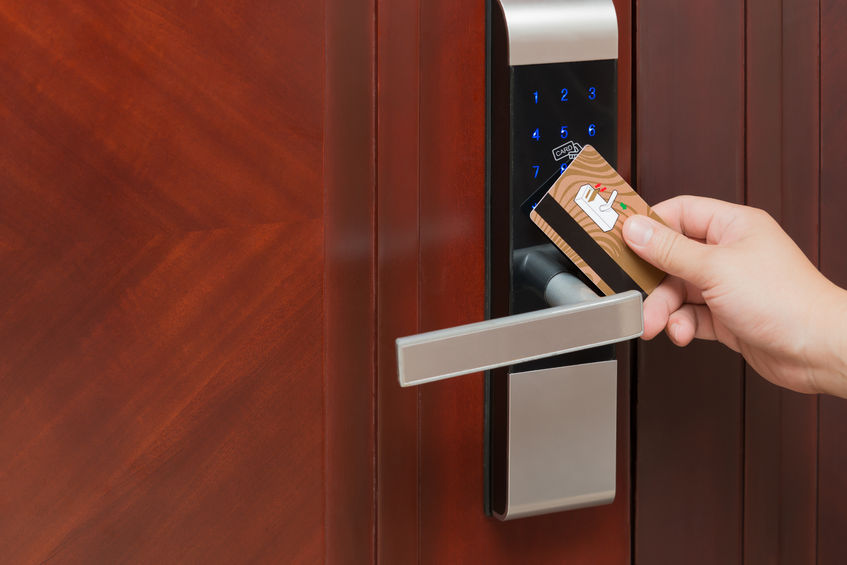
Deadbolt designs that incorporate a sidebar — an internal bar requiring correct key rotation to retract — are also highly resistant to bumping. The sidebar adds a second verification layer that a shock impulse simply cannot satisfy. When evaluating a lock's bump resistance, look for ANSI Grade 1 certification combined with documented anti-bump design features rather than relying on the marketing label alone.
Buyer warning: "Bump resistant" and "bump proof" are not the same claim — resistant means the lock is harder to bump but not immune, while proof implies (but rarely guarantees) complete defeat of the technique.
Defining Pick Proof
Pick proof locks counter the sequential pin manipulation that picking depends on. Because picking works by setting pins one at a time under tension, pick resistant designs introduce mechanical feedback that defeats that process. High-security pick resistant locks use features like spool pins, mushroom driver pins, or serrated pins that create false sets — the picker believes a pin is set, but releasing tension causes it to drop back, resetting progress. This dramatically increases the time and skill required to open the lock.
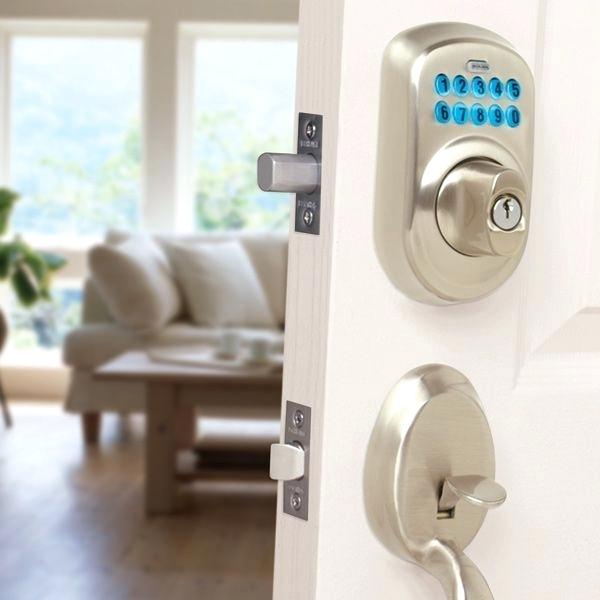
Some designs go further by using restricted keyways that limit pick tool access, or dimple and laser-cut key patterns that require far more precise pin alignment. It's worth noting that no pin-based lock is truly unpickable given enough time and skill — but the goal isn't perfection. It's making the attack impractical for an opportunistic intruder who needs to work quickly and quietly.
Matching Your Lock to Your Risk Level
Factors That Influence Your Choice
The decision between prioritizing bump resistance, pick resistance, or both comes down to your specific situation. Not every home faces the same threat profile, and not every budget allows for premium hardware at every entry point. The table below summarizes the key tradeoffs to help you think through your options clearly.
| Feature | Standard Lock | Bump Proof | Pick Proof | High-Security (Both) |
|---|---|---|---|---|
| Bump Resistance | None | High | Low–Moderate | Very High |
| Pick Resistance | Low | Low–Moderate | High | Very High |
| Typical Price Range | $15–$40 | $50–$120 | $60–$150 | $100–$300+ |
| Key Control | Poor | Moderate | Moderate–Good | Excellent |
| ANSI Grade | Grade 2–3 | Grade 1 | Grade 1 | Grade 1 + UL Listed |
For most suburban homes, a quality bump proof deadbolt rated ANSI Grade 1 provides solid protection against the most common attack methods. Urban rentals or homes where multiple people have had key access over the years may benefit from investing in pick resistance as well, particularly on primary entry doors. If you've ever had keys copied without your knowledge, brushing up on key control practices is worth your time — duplicated keys can render even a high-security lock irrelevant.
When You Need Both
There are situations where looking at locks that address both attack methods makes clear sense. If you're renting out a property, running a home office with sensitive equipment, or living in a neighborhood with a history of residential break-ins, the incremental cost of a dual-rated lock is a reasonable investment. Brands like Medeco, Abloy, and Mul-T-Lock manufacture locks carrying independent certifications for resistance to both bumping and picking. These aren't budget purchases — but for the right property or the right entry point, the investment is justified.
Entry-Level Options vs High-Security Hardware
What Budget-Friendly Locks Typically Offer
If you're working with a limited budget, you're not without meaningful options. Several mid-range brands offer real upgrades over a basic lockset without reaching premium pricing. The Schlage B60N deadbolt is ANSI Grade 1 certified and includes a hardened steel insert and anti-pick shield. It won't defeat a highly skilled attacker, but it's significantly more resistant than a basic Grade 2 lockset right out of the box.
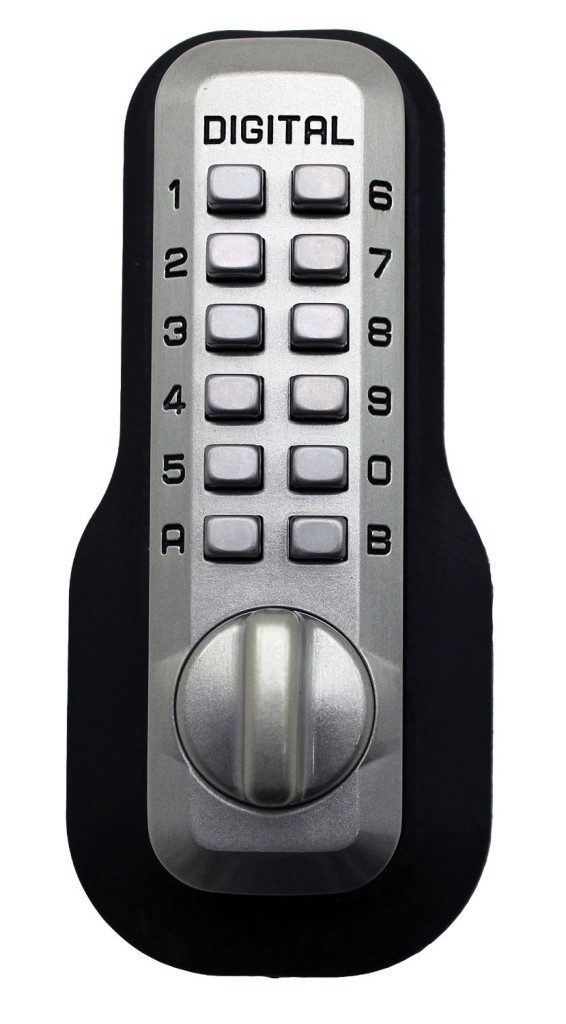
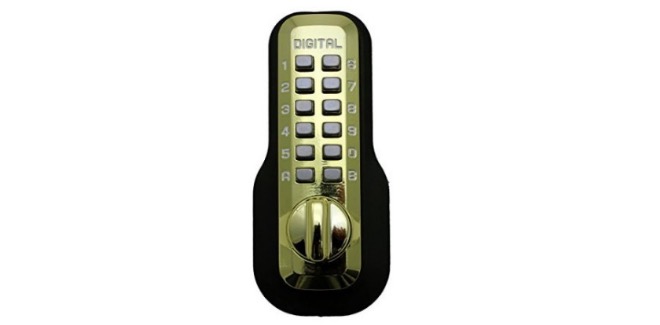
Keypad and mechanical keyless deadbolts also deserve serious consideration at this tier. Mechanical keyless entry designs like the Lockey Digital M210 eliminate the keyway entirely — which means bumping and picking become irrelevant because there are no pins to manipulate. The tradeoff is that you exchange one attack surface for another: code-based locks can be vulnerable to observation attacks or code-guessing, though these require a different skill set than physical lock attacks.
What You Get With Premium High-Security Locks
At the premium end of the market, you're buying precision engineering that addresses multiple vulnerabilities at once. Medeco's biaxial design requires keys that lift and rotate each pin to a specific angle — a complexity that defeats both bumping and picking at the mechanical level. Abloy's disc detainer design uses rotating discs rather than pins, removing the exploitable mechanism entirely. These locks also come with patented key control, meaning unauthorized duplication of your key is substantially harder to accomplish at a hardware store.
The certification to look for at this level is UL 437, which requires a lock to withstand a minimum of ten minutes of picking and ten minutes of drilling under controlled conditions. A lock carrying that rating represents a genuine security upgrade, not just a marketing claim.
Practical Steps to Strengthen Your Door Security
Upgrades You Can Make Today
You don't have to replace every lock to meaningfully improve your security posture. A few targeted changes can close the most common vulnerabilities quickly. Two of the most impactful steps are often overlooked entirely:
- Upgrade your strike plate — standard strike plates use ¾-inch screws into soft wood framing. A heavy-duty security strike plate with 3-inch screws anchored into the door frame's structural wood dramatically improves kick-in resistance, regardless of how good your lock cylinder is.
- Add a secondary barrier — a second deadbolt, a door barricade bar, or a door security bar forces an attacker to defeat two separate mechanisms, significantly raising both the time commitment and the noise of any forced entry attempt.

For older doors with dated hardware, it's worth auditing the entire entry point rather than just the lock cylinder. The strength of the door itself, the door frame, hinge placement, and door gap all factor into how secure that entry point actually is. Our article on making your doors more burglar-proof covers the full picture in practical terms.
Layering Security Beyond the Lock
Even the best lock on the market is one layer of a complete home security approach. A determined burglar who can't bypass your front door may shift to a window, a sliding door, or a garage entry. Layered security — combining physical barriers, smart home sensors, visible deterrents, and monitored alarms — creates a system where defeating one layer doesn't compromise the rest.
Motion-activated lighting near entry points, security camera coverage of your front door, and a monitored alarm system all add deterrence that a high-security lock alone cannot provide. The practical goal isn't making your home impenetrable — it's making it a harder, louder, and more visible target than the property next door. Opportunistic criminals, who make up the majority of residential burglars, respond to that calculus.

Frequently Asked Questions
Can a lock be both bump proof and pick proof?
Yes. Several high-security lock brands — including Medeco, Abloy, and Mul-T-Lock — engineer their products to resist both attack methods. These locks typically use non-standard pin geometries, secondary locking elements, and restricted keyways that defeat both bumping and single-pin picking. Expect to pay a premium, but the protection covers both vulnerabilities simultaneously.
How do I know if my current lock is vulnerable to bumping?
If your lock uses a standard pin tumbler design — which describes the vast majority of residential deadbolts — it is likely vulnerable to bumping unless it specifically includes anti-bump design features. Check the manufacturer's documentation for language about bump resistance or ANSI Grade 1 certification combined with anti-bump technology. When in doubt, a licensed locksmith can assess your current hardware.
Are smart locks safer than traditional deadbolts against bumping and picking?
Smart locks that use a motorized bolt without a traditional keyway eliminate bumping and picking as attack vectors entirely — there are no pins to manipulate. However, they introduce different vulnerabilities such as code guessing, Bluetooth or Z-Wave exploits, and battery failure. Smart locks are neither inherently more nor less secure — they face a different threat profile that requires its own evaluation.
What does ANSI Grade 1 mean for lock security?
ANSI Grade 1 is the highest residential security rating issued by the American National Standards Institute. It requires the lock to pass tests for cycle durability, door strike resistance, and bolt strength. Grade 1 is the minimum you should look for in a front door deadbolt. However, ANSI Grade 1 alone does not guarantee bump or pick resistance — those require additional certified features beyond the base rating.
Is it worth replacing all my locks at once, or should I start with the front door?
Starting with your primary entry point — typically the front door — is a practical and cost-effective approach. The front door is the most commonly targeted entry point, and upgrading that lock first gives you the highest security return on your investment. From there, assess rear and side entry doors based on their accessibility and visibility from the street, and upgrade accordingly over time.
Final Thoughts
Now that you understand what separates bump proof vs pick proof locks — and why most standard residential locks offer neither — you're in a much better position to make a smart upgrade. Start by inspecting your current front door deadbolt, check whether it carries ANSI Grade 1 certification with documented anti-bump features, and consider visiting the locks guide to compare specific models that fit your budget and security needs. A single afternoon and the right hardware can meaningfully change how well your home is protected.


About Robert Fox
Robert Fox spent ten years teaching self-defence in Miami before transitioning into home security consulting and writing — a background that gives him an unusually practical, threat-aware perspective on residential security. His experience spans physical security assessment, lock and alarm system evaluation, and the behavioral habits that make homes harder targets. At YourHomeSecurityWatch, he covers home security product reviews, background check and criminal records resources, and practical guides on protecting your property and family.
You can Get FREE Gifts. Furthermore, Free Items here. Disable Ad Blocker to receive them all.
Once done, hit anything below