Pepper spray is the single most effective self-defense tool for women in most real-world scenarios, combining proven stopping power, broad legal availability, and sub-two-second deployment without close physical contact. The full self-defense tools category covers dozens of options — from personal alarms and stun guns to tactical pens and kubotan keychains — each calibrated to a specific threat environment and skill level. Selecting the right option requires matching the tool to where threats are most likely to occur, not simply purchasing the most heavily marketed product.
Personal safety data consistently identifies non-residential, familiar settings as the highest-risk environments for women facing assault. According to the Bureau of Justice Statistics, a significant proportion of violent victimizations against women occur in parking areas, on public transit, and near residences — environments where a compact, carried tool outperforms any home-based security system. That risk profile makes portability and concealability the two most critical design criteria when evaluating any purchase.
This analysis ranks the leading self-defense tools available, examines the scenarios where each option outperforms its competitors, and identifies the legal and tactical errors that render even a well-chosen tool ineffective under pressure.
Contents
The Origins and Evolution of Personal Safety Tools
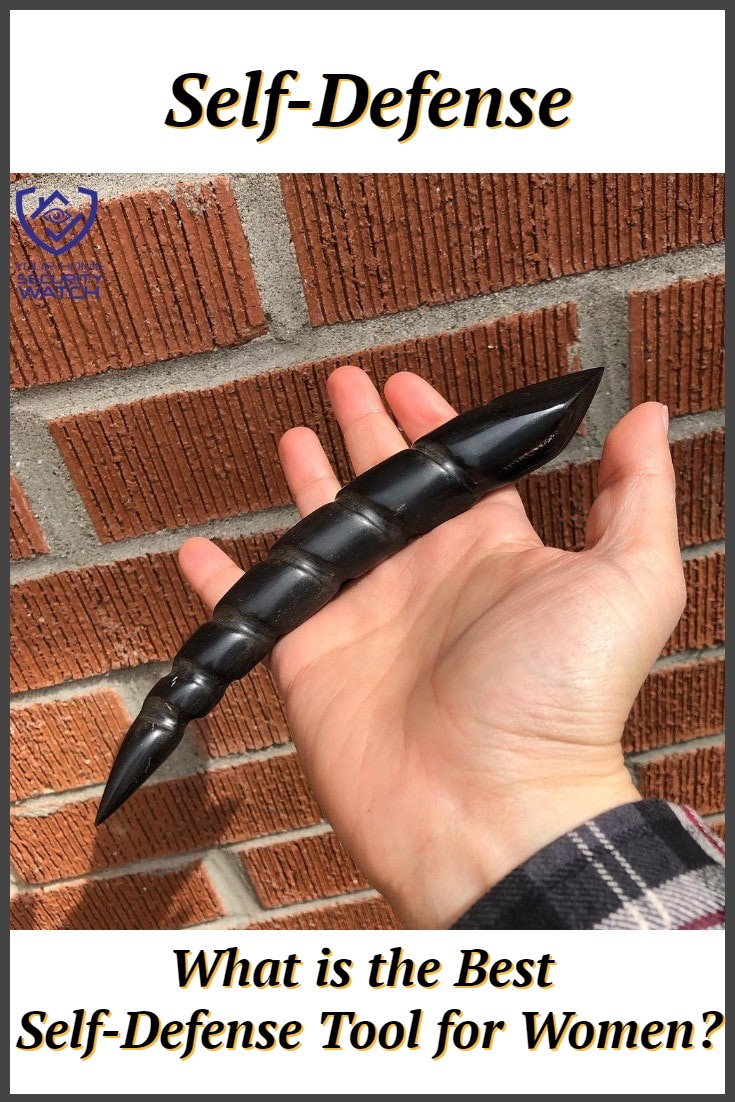
The concept of a woman carrying a dedicated defensive tool is not new, but the modern product category emerged primarily in the latter twentieth century, shaped by rising urban crime rates and a cultural shift toward individual self-reliance. Early options were largely repurposed household items — keys held between fingers, rolled magazines, hairspray cans — that offered minimal effectiveness against determined attackers and created a dangerous false sense of security. The personal defense market arose directly in response to those limitations, replacing improvised solutions with engineered tools tested for real-world performance.
From Improvised Objects to Purpose-Built Devices
Law enforcement agencies began issuing oleoresin capsicum spray — the active compound in commercial pepper spray — to officers in the early 1980s, and civilian versions reached retail markets shortly after. Stun guns followed a parallel trajectory, moving from police equipment to consumer product within a decade. Purpose-built self-defense tools consistently outperform improvised alternatives because they are designed for one-handed operation, reliable function after months of bag storage, and rapid deployment under stress conditions.
How Women's Safety Needs Shaped Modern Product Design
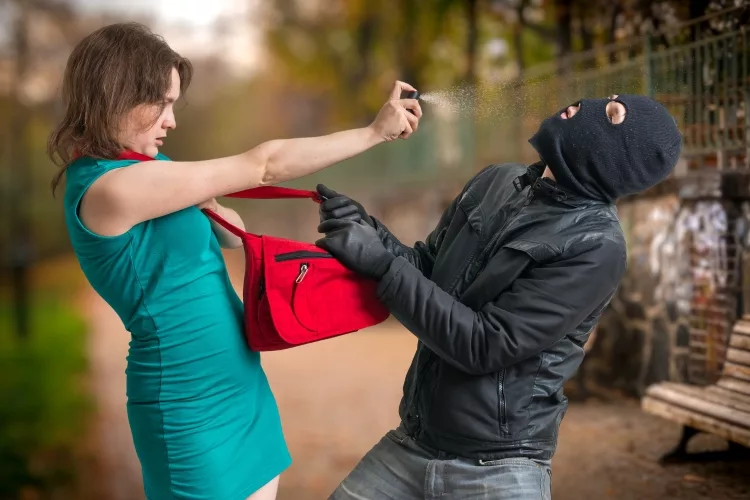
Manufacturers targeting women redesigned products to address grip size, carry convenience, and social discretion simultaneously. Pepper sprays appeared disguised as lipstick cases and pens; personal alarms were integrated into keychains and fitness trackers for seamless daily carry. The cultural narrative around women's safety has evolved considerably — moving away from the passive framing depicted in media like the image below toward active, tool-equipped preparedness as a baseline expectation for anyone navigating public spaces.

Understanding the types of assault women face by location and attacker profile directly informs which tool category performs best in each scenario. A tool optimized for a stranger confrontation in a parking garage requires fundamentally different characteristics than one designed to create distance from a known aggressor in a familiar setting.
Self-Defense Tools for Women That Work Without a Learning Curve
The tools with the lowest barrier to effective use share two consistent characteristics: they work at a distance, and they do not require fine motor skill under acute stress. When adrenaline floods the system during an attack, complex grip sequences, multi-step safety mechanisms, and tools requiring precise anatomical targeting all fail at elevated rates. Options that reliably perform under pressure are specifically designed for gross motor operation in under three seconds.

Chemical Deterrents: Pepper Spray and OC Gel
Pepper spray formulated at 1% to 2% major capsaicinoids causes immediate involuntary eye closure, respiratory distress, and intense skin irritation upon contact — incapacitating most attackers for 15 to 45 minutes without permanent injury. Gel formulations reduce wind-blowback risk and spray in a tight, controlled stream, making them preferable in enclosed spaces or during adverse outdoor conditions. A keychain canister with a flip-top safety is the baseline recommendation for any woman who has not yet selected a primary self-defense tool and wants reliable performance with zero prior instruction.
Pro tip: Pepper spray expires — check the canister date every six months and replace it before the marked date, because degraded OC formula will not deliver full stopping power when it matters most.
Noise-Based Deterrents: Personal Alarms
Personal alarms emit 120 to 130 decibels when activated — louder than a power saw at close range — and serve a dual function: attracting bystander attention and startling an attacker into a critical hesitation window. They require zero training, carry zero legal restrictions in any US jurisdiction, and cost under $20 at retail. For women in college environments, crowded urban areas, or workplaces with nearby coworkers, a personal alarm provides a credible first-line deterrent. The specific distinctions between electronic contact tools are covered thoroughly in this comparison of stun guns versus Tasers, which clarifies where each device fits in a layered personal defense strategy.
Matching the Right Tool to Real-World Scenarios
No single self-defense tool is optimal across every environment, and the most common purchasing mistake is selecting a tool based on marketing rather than an honest threat assessment. The three highest-risk scenarios for women — urban commuting, exercising outdoors, and situations near or inside the home — each favor a distinct primary tool with different carry and deployment characteristics.
Urban Commuting and Public Transit
Women navigating subway platforms, parking garages, and late-night rideshare pickups face threats characterized by close-range, fast-developing confrontations where weapon accessibility determines outcome. A keychain pepper spray or a 130dB personal alarm clipped to a bag strap satisfies the primary criteria: always accessible, operable with one hand, and legal everywhere. Distraction plays a significant role in urban vulnerability — research into the risks of distracted outdoor behavior demonstrates how reduced situational awareness dramatically elevates assault risk in crowded public settings, making carry habits inseparable from tool selection.
Home and Neighborhood Settings
The home environment enables access to larger, higher-output tools that are impractical to carry on person during daily activity. A full-size pepper spray canister, a stun baton, or a high-lumen tactical flashlight becomes viable when stored near a front door or bedside rather than carried in a purse. Layering personal tools with environmental deterrents compounds overall safety at measurable rates — analysis of visible deterrent devices like security cameras shows documented impact on attacker decision-making before any physical confrontation begins. A well-trained dog also represents one of the most effective home and neighborhood deterrents available, as covered in the detailed guide on training a dog for protective duty. The comprehensive checklist of home security measures reinforces that layered defenses reduce the likelihood of confrontation before any self-defense tool is ever required.

Comparing Popular Self-Defense Options Side by Side
A direct comparison of the five most widely recommended options reveals that no single tool dominates every performance category, but pepper spray and personal alarms consistently rank highest when ease of use, legal status, and real-world effectiveness are weighted equally. The table below summarizes each tool across the criteria most relevant to a first-time purchasing decision.
| Tool | Effective Range | Training Required | Legal Nationwide (US) | Avg. Price | Best Scenario |
|---|---|---|---|---|---|
| Pepper Spray (keychain) | 8–15 ft | Minimal | Yes (restrictions vary) | $10–$30 | Daily carry / commute |
| Personal Alarm | N/A (sound) | None | Yes (unrestricted) | $8–$20 | Any public setting |
| Stun Gun | Contact only | Moderate | No (banned in some states) | $20–$60 | Close-range, trained users |
| Tactical Pen / Kubotan | Contact only | High | Yes | $15–$50 | Trained users only |
| Tactical Flashlight | Contact + blinding | Low | Yes | $25–$80 | Home / nighttime use |

Legal Considerations by Tool Type
Stun guns and Tasers face the most complex legal landscape of any non-firearm self-defense tool in the United States, with outright prohibitions or heavy restrictions in several states and numerous municipalities. Pepper spray carries fewer restrictions overall but is still limited by OC concentration caps, canister size maximums, or minimum buyer age in states including California, Massachusetts, and New York. Verifying state and municipal law before purchasing any electronic or chemical tool is non-negotiable — not a precaution worth skipping to save research time.
Effectiveness Ratings in Practice
Contact weapons — stun guns, kubotans, and tactical pens — perform poorly in untrained hands because their effectiveness depends on closing distance with an attacker and maintaining grip under physical resistance. Stress inoculation research consistently shows that contact weapons lose effectiveness faster than standoff tools when the user has received fewer than 20 hours of formal instruction. Pepper spray and personal alarms retain near-full effectiveness under acute stress because their operation involves a gross motor action: point and press, or pull and hold — movements that survive adrenaline-induced motor degradation intact.
Avoiding the Mistakes That Neutralize a Self-Defense Tool
Owning a self-defense tool and being genuinely equipped with one are two different conditions. The most common failure point is not the tool itself but carrying habits, legal preparation, and mental readiness of the person holding it. A stun gun buried at the bag's bottom is inaccessible under stress. Expired pepper spray fails at full incapacitation strength. A tool legal at home but illegal in a destination state converts a protective item into criminal liability — each scenario produces the same outcome.
Legal Pitfalls and Restriction Traps
State-level restrictions on pepper spray concentration (capped at 10% OC in New York), canister size limitations, age requirements for purchase, and outright bans on stun devices in states such as Hawaii and Rhode Island all create legal exposure for women who research options online without confirming local statute. Crossing state lines with a prohibited weapon can convert a self-defense tool into a criminal possession charge with no self-defense justification available. The recommendation is unambiguous: look up the specific statute in every jurisdiction where the tool will be carried, not just the home state.
Warning: Carrying a stun gun in a state where it is prohibited — even briefly during travel — constitutes criminal possession and provides zero legal self-defense protection in any court proceeding.
Deployment Errors Under Stress
The most preventable deployment failure is storing a tool in a location requiring two-handed excavation or a multi-step unlock sequence to access under stress. Tools carried in a dedicated holster on a bag strap, in a front pocket, or on a keychain reach the hand in a single motion — tools buried in a backpack interior do not. Monthly practice drawing and activating the chosen tool in a safe environment is the highest-return training investment available, requiring no formal instruction and under five minutes per session. Broader security literacy — including resources like the top security information sources for homeowners — reinforces the layered-safety mindset that makes individual tools most effective within a complete personal security strategy.
Frequently Asked Questions
What is the most effective self-defense tool for women with no prior training?
Pepper spray with a keychain flip-top safety is the most effective option for untrained users — it requires only a gross motor press-and-spray action, works at 8 to 15 feet of distance, and delivers reliable incapacitation without any physical contact with the attacker.
Is pepper spray legal to carry in every US state?
Pepper spray is legal for civilian carry in all 50 states, but individual states impose restrictions on canister size, OC concentration, minimum buyer age, and — in a few cases — permitted carry locations. Checking the specific state statute before purchasing is an essential step, not an optional one.
What is the practical difference between a stun gun and a Taser?
A stun gun requires direct skin contact with the attacker to deliver its high-voltage shock. A Taser fires two barbed probes on wires up to 15 feet, allowing incapacitation from a standoff distance. The full technical and legal breakdown is covered in the stun gun versus Taser comparison for a complete side-by-side analysis.
Can a personal alarm realistically stop a physical assault?
A personal alarm does not physically incapacitate an attacker, but it delivers two measurable effects: a 120-plus decibel sound that draws immediate bystander attention, and a sharp startle response that disrupts the attacker's focus, creating a critical window for escape. It performs best in populated settings where bystanders can respond.
Which self-defense tools work best for home and neighborhood protection?
At home, larger tools become viable — a full-size pepper spray canister, stun baton, or high-lumen tactical flashlight stored near entry points provides a substantially stronger deterrent than a keychain unit. Pairing these with environmental deterrents like security cameras and motion-activated outdoor lighting compounds the overall effectiveness of any home defense plan.
How often does pepper spray need to be replaced?
Most pepper spray canisters carry a manufacturer-stamped expiration date of two to four years from production. The OC compound degrades chemically over time and may not deliver full incapacitation strength past that date. Replacing canisters on a scheduled basis — not waiting until a unit looks worn — is the only reliable practice.
Are tactical pens or kubotans effective self-defense tools for women without martial arts training?
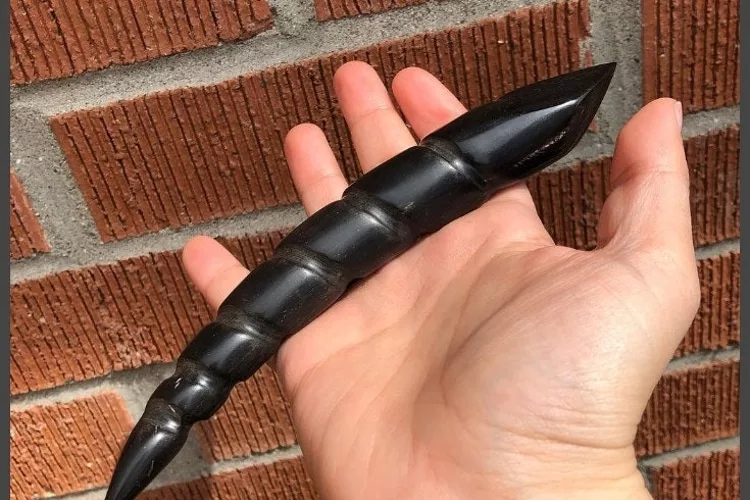
No. Tactical pens and kubotans are contact weapons that require a trained grip, the ability to close physical distance under duress, and precise application of force to specific anatomical targets. Without a minimum of 20 hours of hands-on instruction, these tools provide false confidence and consistently underperform compared to chemical or noise-based alternatives in genuinely untrained hands.
The best self-defense tool for women is the one that is carried every single day, practiced monthly, and deployed without hesitation — not the most powerful one sitting unused in a drawer.


About Robert Fox
Robert Fox spent ten years teaching self-defence in Miami before transitioning into home security consulting and writing — a background that gives him an unusually practical, threat-aware perspective on residential security. His experience spans physical security assessment, lock and alarm system evaluation, and the behavioral habits that make homes harder targets. At YourHomeSecurityWatch, he covers home security product reviews, background check and criminal records resources, and practical guides on protecting your property and family.
You can Get FREE Gifts. Furthermore, Free Items here. Disable Ad Blocker to receive them all.
Once done, hit anything below